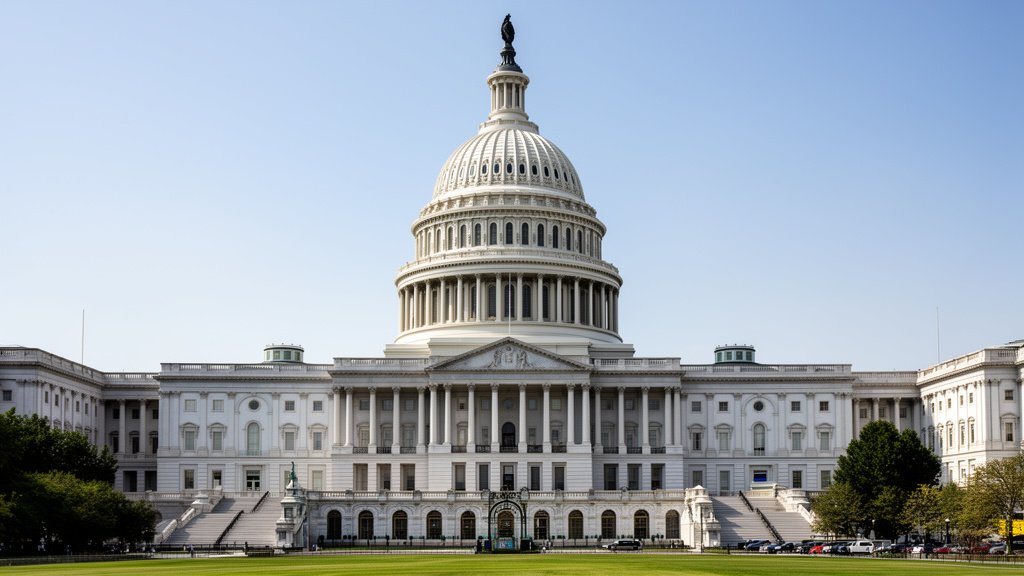
In a significant legal rebuke to the executive branch, a federal judge has issued a temporary injunction preventing the Trump administration from enforcing a ban on reporters from CNN, MS NOW, and Politico from accessing the White House. This ruling serves as a critical check on presidential authority, upholding the First Amendment rights of journalists to cover the administration. The decision follows a period of escalating tensions between the White House and the press corps, culminating in a legal battle that challenges the administration’s ability to selectively revoke press credentials based on the content of their coverage.
Key Highlights
- A federal court has granted a temporary injunction effectively ending the administration’s attempt to ban specific media outlets from the White House grounds.
- The ruling explicitly protects access for reporters from CNN, MS NOW, and Politico, which had been previously targeted for exclusion.
- Despite the judicial intervention, reporters have noted lingering obstacles, with some journalists still being denied entry to a recent evening event, signaling ongoing friction.
- The decision highlights a constitutional standoff regarding the due process rights of accredited members of the press.
- Legal experts suggest this temporary block is merely the opening salvo in a broader debate about the nature of a ‘free press’ and the boundaries of executive gatekeeping.
Protecting the Pulse: The Judiciary Limits Executive Control
The federal court’s decision to intervene in the matter of White House press credentials represents a defining moment for modern political journalism. By issuing a temporary injunction, the court has effectively signaled that the White House grounds, while certainly a place of business and security for the executive branch, cannot be operated as a private domain where political dissent or critical questioning warrants the expulsion of the media. The inclusion of CNN, MS NOW, and Politico in the administration’s ban—and the subsequent judicial pushback—underscores the fragile nature of access in an era defined by media polarization.
The Legal Battle: Balancing Security and Free Press

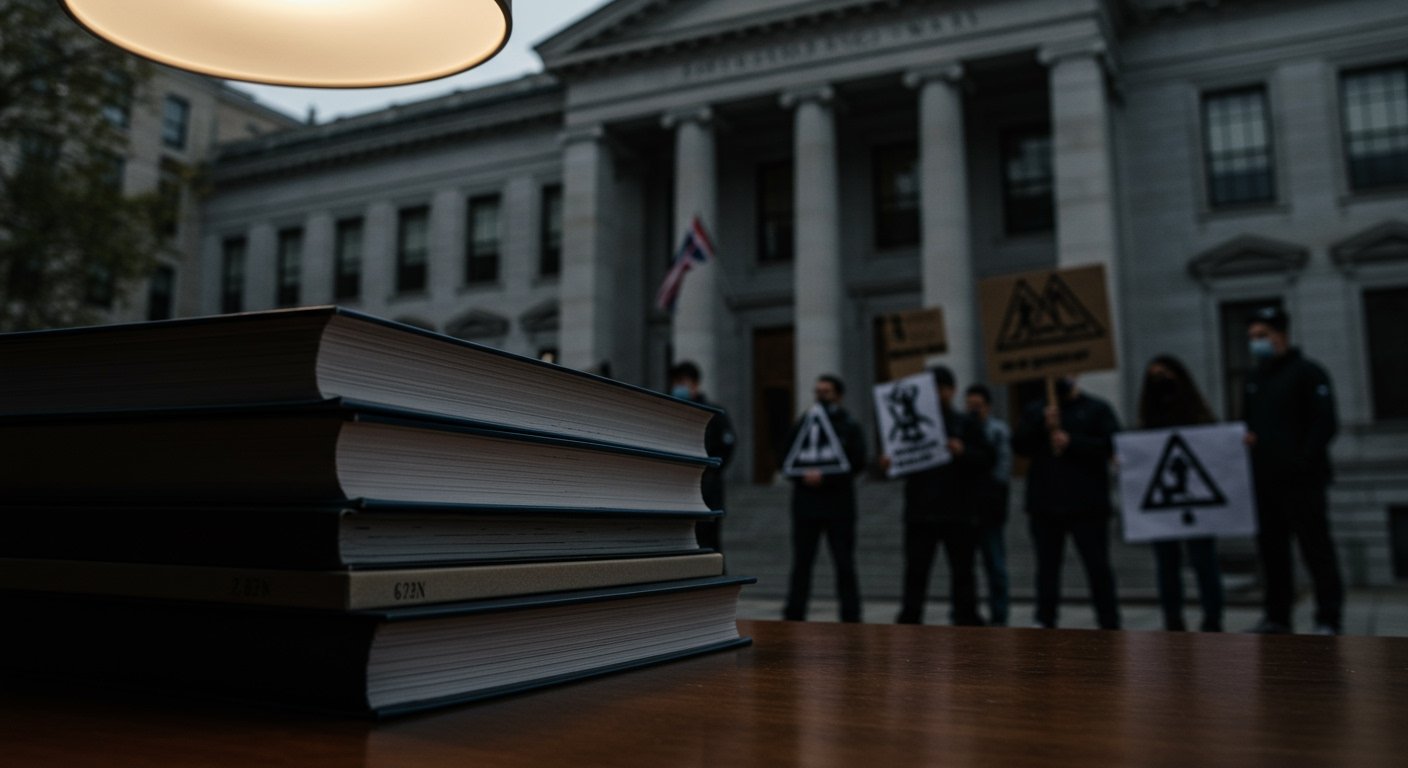
At the heart of this case lies the tension between the administration’s claim of ‘security and decorum’ and the press corps’ right to hold power accountable. The administration had argued that its ability to control who enters the White House grounds is absolute, citing a need to manage the environment and ensure order. However, the federal judge’s ruling implies that the standard for revoking such credentials must meet a higher bar—specifically, one of due process. Journalists are not merely employees of their respective corporations; they are essential intermediaries for the public, and stripping them of their credentials without a clear, non-discriminatory, and transparent process sets a dangerous precedent.
The ‘Friction’ Factor: Access vs. Presence
While the legal victory provides a framework for physical entry onto the White House grounds, the reality on the ground remains complex. The report that reporters were able to return to the White House on Thursday, only to be denied entry to an evening event, illustrates a phenomenon known as ‘soft-blocking.’ This tactic involves allowing journalists access to the general press briefing room while excluding them from the more intimate or high-stakes environments, such as dinners, private briefings, or gala events. This creates a two-tiered system of information access. Even with a federal mandate for access, the administration’s ability to curate the ‘atmosphere’ of an event serves as a secondary method of controlling the narrative, effectively neutralizing the legal win.
Constitutional Precedents and Future Implications
This case invites a deeper exploration of the First Amendment. Historically, White House access has been treated as a privilege rather than a right, but the courts are increasingly viewing it as a quasi-public forum. When the government grants access to some outlets while denying it to others based on a perceived ‘adversarial’ stance, it moves dangerously close to viewpoint discrimination. If this temporary ruling holds or is expanded, it could force the White House to establish a strictly codified, objective system for credentialing, removing the subjective, personality-driven gatekeeping that has defined recent interactions. The long-term impact of this decision will likely be felt in how future administrations manage press interactions, potentially shielding reporters from retaliatory actions by the executive.
FAQ: People Also Ask
Q: What exactly does the temporary ruling do?
A: The temporary ruling requires the White House to cease its current attempts to block specific reporters from CNN, MS NOW, and Politico from entering the White House grounds. It essentially restores the status quo while the legal merits of the ban are fully litigated.
Q: Can the administration appeal this decision?
A: Yes, the administration is entitled to appeal the temporary injunction. Legal experts anticipate that the government will argue that the court is overstepping its bounds by interfering in the daily security and operational protocols of the White House.
Q: Why were CNN, MS NOW, and Politico singled out?
A: These outlets have been consistently critical of the administration’s policies and statements. The administration has historically characterized their coverage as ‘fake’ or ‘biased,’ using this framing as the justification for attempting to curb their access to the White House complex.
Q: Does this mean full, unrestricted access for all reporters?
A: Not necessarily. While the ruling forces the administration to allow access to the grounds, it does not guarantee participation in every event or one-on-one time with officials. As seen with the recent evening event, the administration may still find ways to restrict access to specific, closed-door engagements.