European stock markets tumbled on Monday morning as renewed geopolitical volatility in the Middle East sent shockwaves through global energy and equity sectors. Investors, who had pinned hopes on a burgeoning US-Iran peace deal, were met with the harsh reality of a volatile, shifting diplomatic landscape. Brent crude prices surged by 5%, reaching approximately $95.50 a barrel, as the Strait of Hormuz—a vital maritime chokepoint—found itself at the center of a re-escalating standoff.
Key Highlights
- Energy Prices Surge: Brent crude jumped 5% to ~$95.50 per barrel following the re-closure of the Strait of Hormuz.
- European Market Retreat: Major indices including the UK’s FTSE 100, Germany’s DAX, and France’s CAC 40 all recorded significant losses in early trading.
- Airline Sector Hit: Airline shares, including IAG, Wizz Air, and Lufthansa, faced steep declines as fears of jet fuel shortages and operational disruptions intensified.
- Diplomatic Collapse: The brief period of optimism surrounding the US-Iran ceasefire evaporated after reports of a US seizure of an Iranian vessel and subsequent military posturing.
The Geopolitical Pressure Cooker: Ceasefire on Tenterhooks
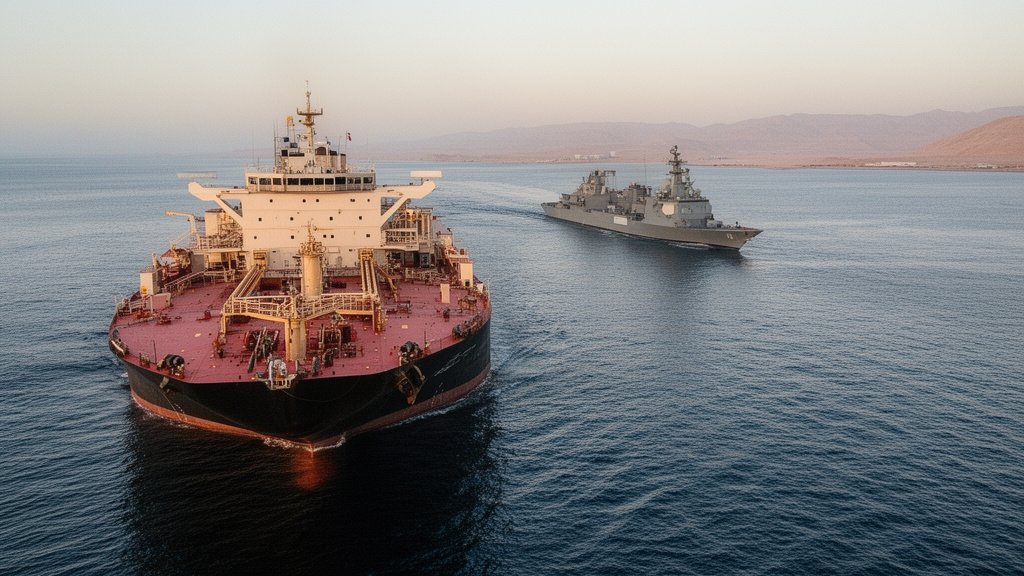
The market’s dramatic reversal follows a weekend of escalating maritime confrontation. The Strait of Hormuz, through which roughly one-fifth of the world’s oil and liquefied natural gas (LNG) transits, has been effectively paralyzed again. Just days ago, markets were buoyed by reports of a two-week ceasefire and the prospect of a diplomatic breakthrough in Pakistan. However, those hopes were dismantled when reports emerged of a US naval operation involving the seizure of an Iranian-flagged cargo ship.
Iran, responding to the US-enforced blockade and the seizure, has reportedly reversed its decision to reopen the shipping channel, creating a de facto closure. The conflict, now entering its eighth week, has created a scenario where diplomatic signaling is consistently undermined by military maneuvering. For investors, this creates a ‘whiplash’ effect, where market pricing is increasingly disconnected from long-term fundamentals and instead driven by high-frequency, reactionary trading based on the latest geopolitical headlines.
The Anatomy of an Energy Shock
The 5% jump in Brent crude is a direct reflection of the market’s fragility. When the Strait of Hormuz is obstructed, the global energy supply chain is not merely slowed; it is fundamentally disrupted. Unlike other commodities, oil logistics in the Persian Gulf rely on specific, narrow corridors with very few viable, cost-effective alternatives. Rerouting vessels around the Cape of Good Hope adds weeks to transit times, inflating freight costs and insurance premiums while simultaneously lowering vessel availability.



This spike represents more than just a temporary fluctuation; it reflects the deep-seated fear that the current volatility is the new normal. Energy analysts point to the IEA’s recent warnings regarding jet fuel reserves, suggesting that even a short-term closure of the Strait creates ripple effects that last long after the initial military incident concludes. The correlation between the US-Iran standoff and European gas prices has become a primary driver of the continent’s economic anxiety, with the specter of sustained high inflation looming over European central bank policy.
Sectoral Fallout: The ‘Risk-Off’ Trade
While energy majors like BP and Shell saw gains on the back of rising crude prices, the broader market sentiment was decisively ‘risk-off.’ Airline stocks bore the brunt of the sell-off. Investors are pricing in a dual-threat for the aviation sector: higher operating costs due to fuel scarcity and a potential drop in passenger demand should regional conflict expand.
This sentiment is spreading to broader indices. The FTSE 100, which had reached a six-week high just days prior, saw that momentum vanish in a matter of hours. The decline in the DAX and CAC 40 highlights the cross-continental vulnerability of European markets to Middle Eastern supply chain interruptions. Institutional investors are actively de-risking, rotating capital away from cyclicals and into defensive assets, waiting for a concrete resolution that seems increasingly elusive.
Secondary Angles: Understanding the Wider Impact
1. The Fragility of Diplomatic Optimism: This week’s events underscore the danger of market complacency. The swift reversal from ‘euphoria’ to ‘confusion’ demonstrates how algorithm-driven trading platforms can exacerbate volatility when the expected path of de-escalation is broken.
2. Energy Security and Long-Term Inflation: If the Hormuz disruptions persist, they threaten to undo months of work by central banks to tame inflation. High energy inputs are, by definition, inflationary, and a prolonged crisis in the Persian Gulf could force central banks to pause or reverse interest rate cuts.
3. The ‘Hormuz Premium’: Markets are now calculating a permanent ‘geopolitical risk premium’ into oil prices. The days of treating Hormuz transit as a guaranteed certainty are gone, forcing global energy firms to diversify routes and storage strategies, likely leading to permanently higher baseline costs for energy transit regardless of the immediate conflict status.
FAQ: People Also Ask
Why is the Strait of Hormuz critical to global markets?
It is one of the world’s most vital energy chokepoints. Roughly 20% of global oil and a significant portion of liquefied natural gas (LNG) pass through this narrow waterway. Disruption here has immediate, global consequences on energy prices and supply chain stability.
How does the re-closure of the strait impact European markets?
European economies are highly sensitive to energy imports. When the Strait closes, the threat of fuel shortages—particularly jet fuel and natural gas—increases. This drives up costs for energy-intensive industries and negatively impacts sectors like travel and manufacturing, leading to lower equity valuations.
Why are airline stocks specifically suffering?
Airline stocks are vulnerable to two factors: high fuel costs (jet fuel is a major expense) and regional instability. If the conflict restricts energy flows, jet fuel availability drops while costs skyrocket, squeezing airline margins and discouraging discretionary travel spending.
What is the current status of the US-Iran peace deal?
As of April 20, 2026, the status is highly volatile and precarious. While diplomatic channels remain open, military actions—including the US seizure of an Iranian vessel—have led Iran to reverse its reopening of the Strait, effectively stalling the peace process.