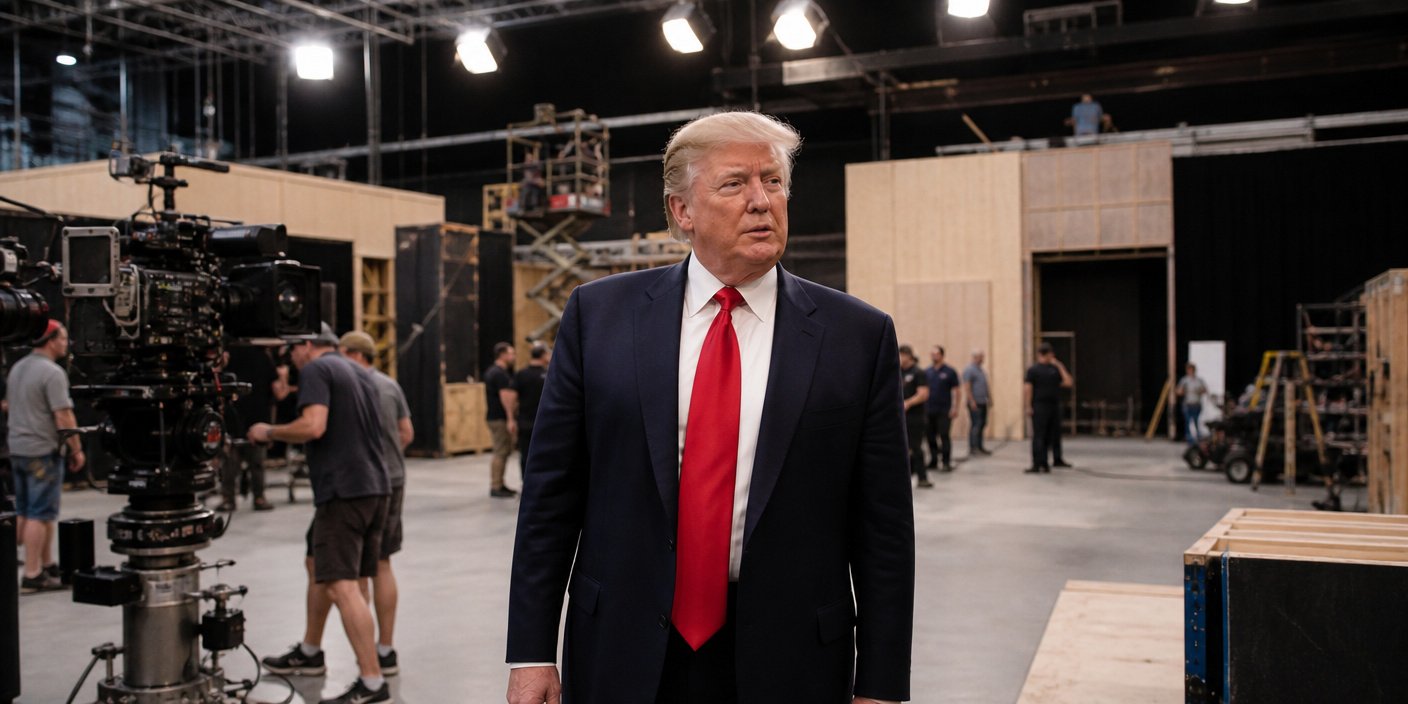
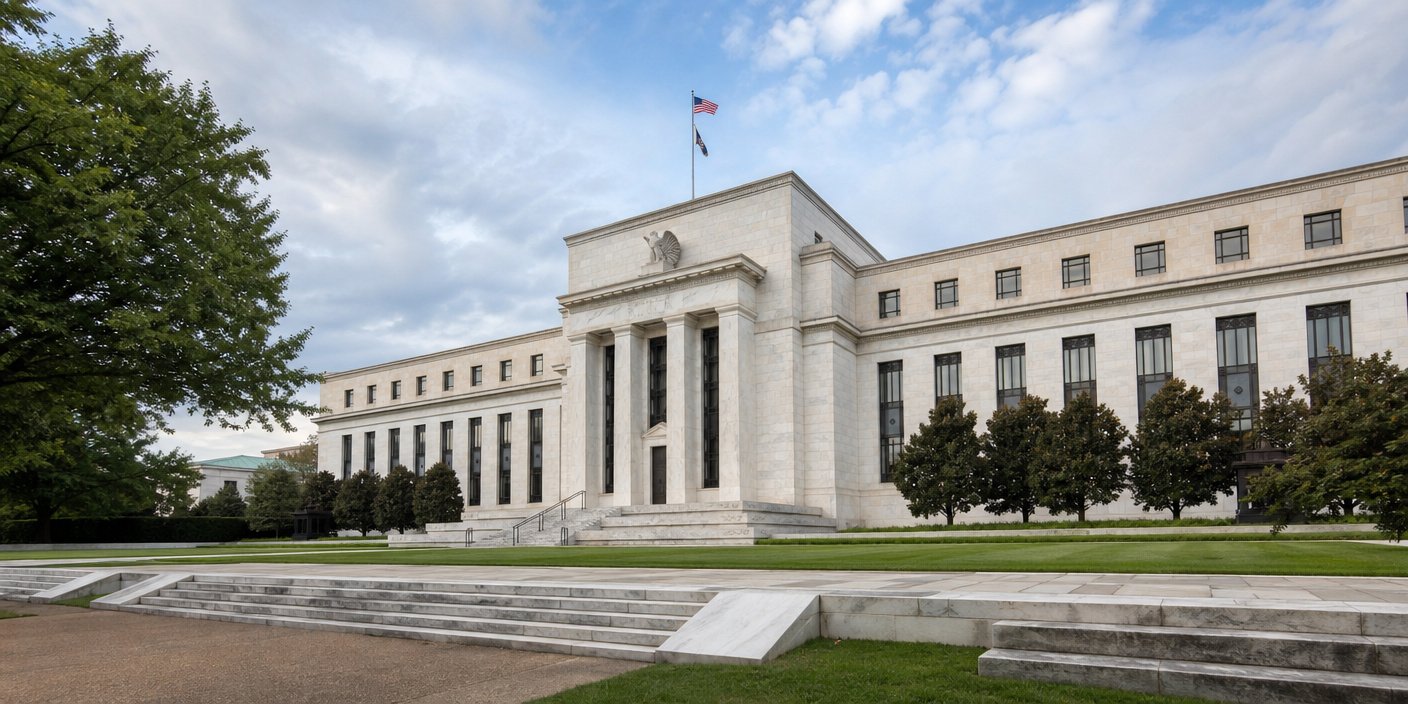
Washington, D.C. – President Donald Trump has escalated his criticism of the Smithsonian Institution, publicly branding its network of National museums as “OUT OF CONTROL” and the “last remaining segment of ‘WOKE’.” His remarks, delivered via Truth Social, specifically targeted the museums for what he described as an excessive focus on negative aspects of American history, including “how bad Slavery was,” rather than celebrating national success and future aspirations. This comes amidst a broader White House directive for a “comprehensive internal review” of major cultural institutions, aiming to reshape the narrative presented to the public.
Presidential Directive Targets Museum Narratives
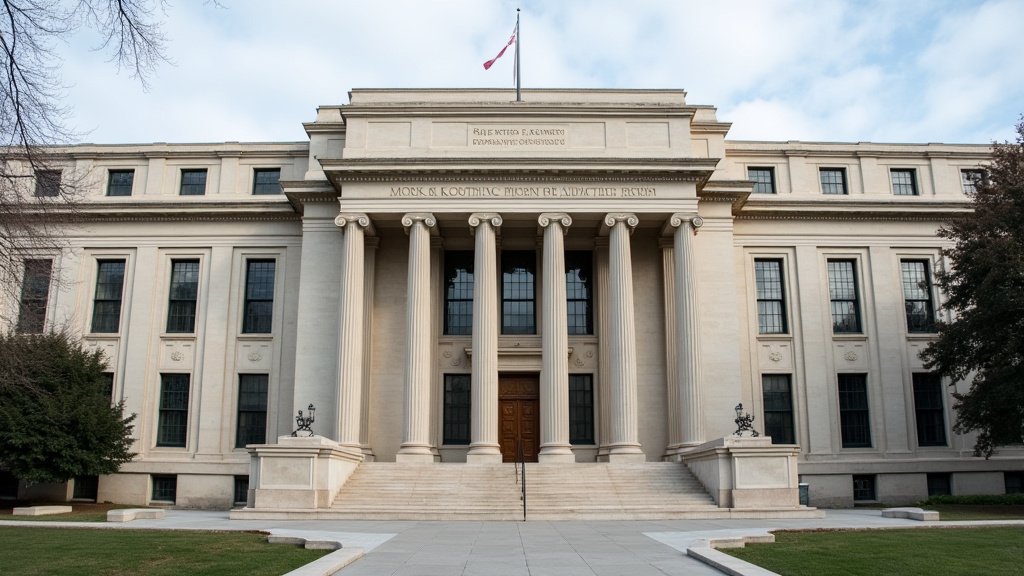
President Trump’s recent broadside follows a formal White House letter dispatched on August 12 to Smithsonian Secretary Lonnie Bunch. The directive mandates a wide-ranging examination of eight prominent museums, including the National Museum of American History, the National Museum of African American History and Culture, and the National Museum of the American Indian. The stated objective of this review is to ensure exhibits “celebrate American exceptionalism, remove divisive or partisan narratives, and restore confidence in our shared cultural institutions.”


The administration’s push is rooted in a March 27 Executive Order, “Restoring Truth and Sanity to American History,” which previously accused the Smithsonian of being swayed by “divisive, race-centered ideology.” White House officials have indicated the review will scrutinize public-facing content, curatorial processes, exhibition planning, and the use of collections, with a mandate for museums to replace any content deemed “divisive or ideologically driven language” within 120 days.
Echoes of Past Conflicts and New Threats
Trump’s current offensive is not an isolated incident but rather an intensification of months-long criticisms leveled against cultural institutions that have increasingly diversified their exhibits to highlight stories of women, people of color, and queer culture. He has previously accused the Smithsonian of espousing a “corrosive ideology.”
Notably, the President has threatened to apply the “exact same process” used against colleges and universities—implying potential federal funding cuts—to the museums, signaling a determined effort to enforce his vision of American history. This move has ignited concerns among various museum and historical associations, including the Organization of American Historians and the American Alliance of Museums, who have voiced “deep concern and dismay” over what they perceive as “growing threats of censorship.”
Civil Rights Advocates Respond Amidst Broader Culture Wars
The President’s latest comments have drawn sharp rebukes from civil rights advocates. Prominent civil rights attorney Ben Crump took to social media, asserting that museums are now being targeted for “openly discussing the horrors of slavery.” Crump emphasized, “If telling the truth about slavery makes a museum ‘too woke,’ then the problem isn’t the history, it’s the people who want to erase it.”
This ongoing debate over historical interpretation unfolds as the nation prepares for its 250th anniversary in 2026. The administration’s emphasis on “unity, progress, and enduring values” in National museums is seen by critics as an attempt to whitewash uncomfortable truths and promote a selective narrative of American history. The tension highlights a broader cultural struggle over how the United States grapples with its complex past, particularly in public spaces intended to educate and reflect the diversity of the American Society.
Interestingly, this strong condemnation contrasts with Trump’s earlier remarks from 2017 when he visited the National Museum of African American History and Culture. At that time, he praised the museum as an “incredible” and “beautiful tribute” to American heroes, stating it was “amazing to see.” This historical context adds another layer to the current news, underscoring the evolving nature of the culture war surrounding historical representation.