The precarious stability of the Strait of Hormuz has shattered once more, as Iran officially re-imposed a closure of the critical maritime chokepoint on April 18, 2026. This escalation comes in direct response to a sustained U.S. naval blockade of Iranian ports, marking a dramatic reversal of the short-lived ceasefire signals that emerged earlier in the week. As merchant vessels turn back and the specter of a prolonged supply-chain disruption looms, the world’s energy markets are entering a period of extreme uncertainty.
Key Highlights
- Strategic Closure: Iran has restricted passage through the Strait of Hormuz, citing the continued U.S. naval blockade of its ports as the primary justification.
- Military Escalation: Reports from the UK Maritime Trade Operations Centre confirm that Iranian gunboats have fired upon commercial vessels attempting to traverse the strait, signaling a shift from posturing to active maritime denial.
- Economic Shock: With a significant portion of the world’s seaborne crude oil and LNG transiting this route, global energy prices are reacting sharply to the uncertainty.
- Failed Diplomacy: The closure follows the collapse of hopes for a sustained reopening, with U.S. officials maintaining the blockade as a strategic pressure tactic while Iran frames its actions as a necessary defense of national sovereignty.
The Anatomy of a Chokepoint Crisis
The Strait of Hormuz is not merely a geographic feature; it is the jugular vein of the global energy economy. Spanning just 21 miles at its narrowest point between Oman and Iran, it serves as the essential exit for oil and gas exports from the Persian Gulf. For weeks, the region has been caught in a “cat-and-mouse” game of maritime maneuvers, with the 2026 conflict fundamentally altering the risk profile for every ship operator in the sector.
Understanding the Strategic Risk
When the Strait is effectively closed or even partially restricted, the cost of maritime insurance spikes, and shipping companies—often managing fleets for multiple nations—choose to divert or pause, leading to immediate supply chain friction. The current crisis has seen the deployment of “asymmetric denial architecture” by the Islamic Revolutionary Guard Corps (IRGC), utilizing sea mines, fast-attack gunboats, and drones to control the waterway. This creates a psychological and physical barrier that outweighs the actual kinetic damage, as the mere threat of attack is often sufficient to halt commercial transit.
The Impact of Naval Blockades
From the perspective of the U.S. Fifth Fleet and allied naval forces, the maritime blockade is an instrument of strategic pressure, designed to prevent the flow of resources that support the Iranian military-industrial complex. However, this policy has created a feedback loop: the blockade triggers a closure, the closure threatens global energy prices, and the ensuing economic anxiety puts pressure on Washington to negotiate or escalate. It is a classic geopolitical dilemma where every tactical victory brings the region closer to a broader conflagration.
Global Energy Markets in the Crossfire
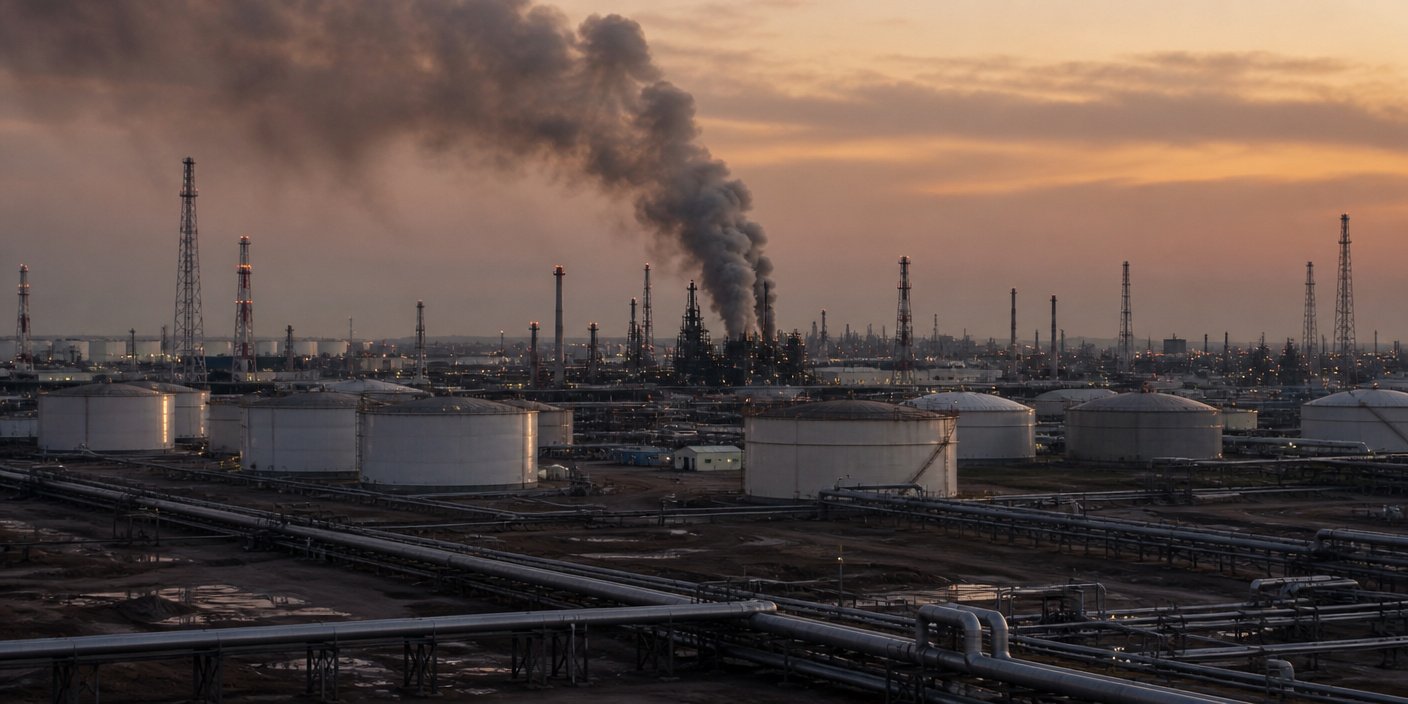
The economic fallout of the Hormuz closure extends far beyond the Middle East. With the global energy market already strained by the volatility of the 2026 conflict, this renewed obstruction of trade routes acts as an accelerant. Analysts are tracking a “supply-chain bullwhip effect,” where disruptions at the source trigger cascading failures in refining, logistics, and industrial sectors across Asia and Europe.
The Fertilizer-LNG Paradox


Beyond the headline-grabbing price of Brent crude, there is a quieter, more devastating impact on the agricultural sector. Qatari LNG facilities, which are critical to the production of global urea (a primary ingredient in fertilizer), have faced ongoing disruptions. As the Strait remains unstable, the cost of fertilizers for the next agricultural cycle is projected to climb, threatening food security in developing nations. The linkage between a blockade in the Persian Gulf and the price of grain in Southeast Asia is no longer theoretical—it is the current reality of a fractured global economy.
Risk Premiums and Future Uncertainty
Market volatility is currently driven by the “Geopolitical Risk Premium.” Every time a tanker is turned away or a shot is fired, the insurance markets adjust their risk models upward. Even if the Strait were to open tomorrow, the baseline cost for shipping oil through this region will remain elevated for the foreseeable future, as underwriters factor in the high probability of sudden, state-sponsored maritime interference.
The Military Calculus and Strategic Risks
The current operational status of the U.S. naval presence is defined by “persistent oversight.” CENTCOM continues to release imagery showing active monitoring of shipping lanes, reinforcing the message that the U.S. will not abandon the security of international waters. Yet, the tactical reality is complex. IRGC forces are operating from a home-field advantage, using coastal geography to their benefit.
The Threat of Miscalculation
In an environment where gunboats and naval destroyers are operating in such close proximity, the margin for error is razor-thin. A “miscalculated engagement”—where a warning shot is mistaken for an act of war—remains the greatest catalyst for an uncontrolled regional conflict. Both Tehran and Washington are currently engaged in a high-stakes standoff, hoping that their respective postures will lead the other to blink first.
Navigating the Future
As the world watches the Strait of Hormuz, the resolution will likely not come from a single naval battle, but from the slow, grinding pressure of economic and diplomatic exhaustion. The conflict has moved from a short-term crisis into a long-term structural strain, necessitating that global powers diversify their energy supply chains to withstand the persistent threat of a closed Hormuz.
FAQ: People Also Ask
1. Why is the Strait of Hormuz so critical to the global economy?
It is the world’s most important “chokepoint” for energy transit. Historically, roughly 20-30% of the world’s seaborne oil trade passes through this waterway daily, making any closure a major threat to global energy price stability.
2. What is the cause of the current closure?
Iran has stated that it is closing the Strait in retaliation for the ongoing U.S. naval blockade of Iranian ports. Iran views the blockade as an illegal act of economic warfare and uses the closure of the Strait as a leverage tool to force a change in U.S. policy.
3. Are there alternatives to shipping through the Strait?
Very few. While some pipelines exist (such as the East-West pipeline in Saudi Arabia), they cannot accommodate the full volume of crude oil and LNG that typically travels through the Strait. Any alternative route would involve significantly longer transit times and vastly higher shipping costs.
4. What does this mean for oil prices?
Historically, any threat to the Strait of Hormuz triggers an immediate rise in oil prices due to the risk premium. If the closure remains in effect for an extended period, it leads to supply shortages that can drive prices to historic highs, impacting everything from gas pump prices to the cost of industrial production.
5. Is a military conflict between the US and Iran inevitable?
While the current standoff is intense, both sides have shown a preference for using economic and asymmetric pressure rather than direct, total war. The primary risk, however, remains an accidental incident at sea that spirals into a broader conflict, despite the intentions of military and political leaders.