BEIJING – In a powerful display of solidarity that sent shockwaves across the international community, Chinese President Xi Jinping, Russian President Vladimir Putin, and North Korean leader Kim Jong Un stood shoulder-to-shoulder at a massive military parade in Beijing. The September 3rd event, commemorating the 80th anniversary of the end of World War II and China’s victory over Imperial Japan, transcended historical remembrance to become a potent symbol of a deepening geopolitical alignment, signaling a direct challenge to the existing Western-dominated world order. This convergence of three key leaders, all facing varying degrees of international pressure and sanctions, marks a significant moment, capturing top global news attention and underscoring a burgeoning shift in international power dynamics.
China’s Grand Military Spectacle: A Display of Ascendancy
The parade itself was an unprecedented showcase of China’s rapidly advancing military might. Tens of thousands of troops marched in immaculate, synchronized precision through Tiananmen Square, accompanied by the thunderous roar of advanced weaponry. President Xi Jinping, at the helm of the world’s largest standing armed forces, declared that his nation was “unstoppable,” projecting an image of unyielding strength and national rejuvenation. The procession unveiled cutting-edge military hardware, much of it displayed publicly for the first time. This included formidable assets such as the YJ-21 hypersonic anti-ship missile, nuclear-capable intercontinental ballistic missiles (ICBMs) like the DF-61, the strategic DF-26 missile—dubbed the “Guam Killer” for its range, and advanced unmanned aerial vehicles (UAVs) and underwater drones. New military units, including those focused on cyber warfare and information support, also made their debut, reflecting China’s modernization drive and its adaptation to contemporary conflict paradigms.
The shift in Xi’s rhetoric was palpable; while previous parades emphasized peace, his address at this event, though brief, carried a more charged geopolitical tone, with fewer references to peace and more implied preparation for strategic, diplomatic, and technological competition. This grand military exhibition served not only as a testament to China’s growing military prowess but also as a carefully orchestrated platform to project its rising influence and assert its vision for a new global architecture.
The ‘Axis of Upheaval’: A Unified Front Against the West
The most striking aspect of the Beijing event was the presence of Putin and Kim Jong Un, seated prominently beside Xi. This marked the first time the three leaders had appeared together publicly on the international stage, a visual representation of an increasingly coordinated geopolitical front. Western analysts have broadly characterized this grouping as an “Axis of Upheaval,” “axis of autocracies,” or the “CRINKs” (China, Russia, Iran, North Korea), highlighting their shared opposition to U.S. hegemony and the Western-led international system.
For Kim Jong Un, this parade represented a significant diplomatic milestone. It was his first foray into multilateral diplomacy since assuming power, a calculated move to bolster North Korea’s international standing and assert its recognition as a nuclear power. Standing alongside the leaders of two major global powers offered immense propaganda value for his isolated regime and signaled Pyongyang’s increasing integration into this emerging bloc. The leaders’ collective presence underscored a shared objective: to challenge what they perceive as Western dominance and to advocate for a multipolar world order that better reflects their collective interests.
Geopolitical Currents: China, Russia, and North Korea’s Strategic Dance
The confluence of these leaders at such a high-profile event is deeply rooted in evolving geopolitical realities. President Xi Jinping is strategically positioning China as a preeminent global power, using occasions like this to expand its influence, particularly among developing nations, and to underscore its role as a counterweight to American power. China’s diplomatic engagement, highlighted by its hosting of numerous world leaders at related summits, has become a key component of its strategy to reshape global governance.
For President Putin, the event provided a vital stage to demonstrate Russia’s resilience against Western sanctions and isolation following its invasion of Ukraine. By deepening ties with China, Moscow aims to solidify its economic lifeline and strategic partnership, reinforced by energy deals like the planned Power of Siberia 2 pipeline. Putin’s public acknowledgment of North Korea’s contribution to Russia’s war effort, including troops deployed to Ukraine, cemented the “blood alliance” between the two nations and underscored their mutual support in the face of Western opposition.
Kim Jong Un, meanwhile, leverages these burgeoning relationships to pursue North Korea’s economic revival, bolster its nuclear program’s legitimacy, and enhance its strategic leverage, particularly concerning inter-Korean relations. His visit sought to rebalance his foreign policy, strengthening security ties with Russia while seeking economic engagement with China.
The Counterpoint: The US-Japan-South Korea Trilateral Framework
The alignment of Beijing, Moscow, and Pyongyang stands in stark contrast to the strengthening trilateral security cooperation among the United States, Japan, and South Korea. This U.S.-led alliance framework is designed to address common security challenges, primarily the nuclear threat posed by North Korea and China’s increasing military assertiveness in the Indo-Pacific. The presence of Xi, Putin, and Kim at the Beijing parade was viewed by some as a direct response to, and an attempt to undermine, this U.S.-centric security architecture.
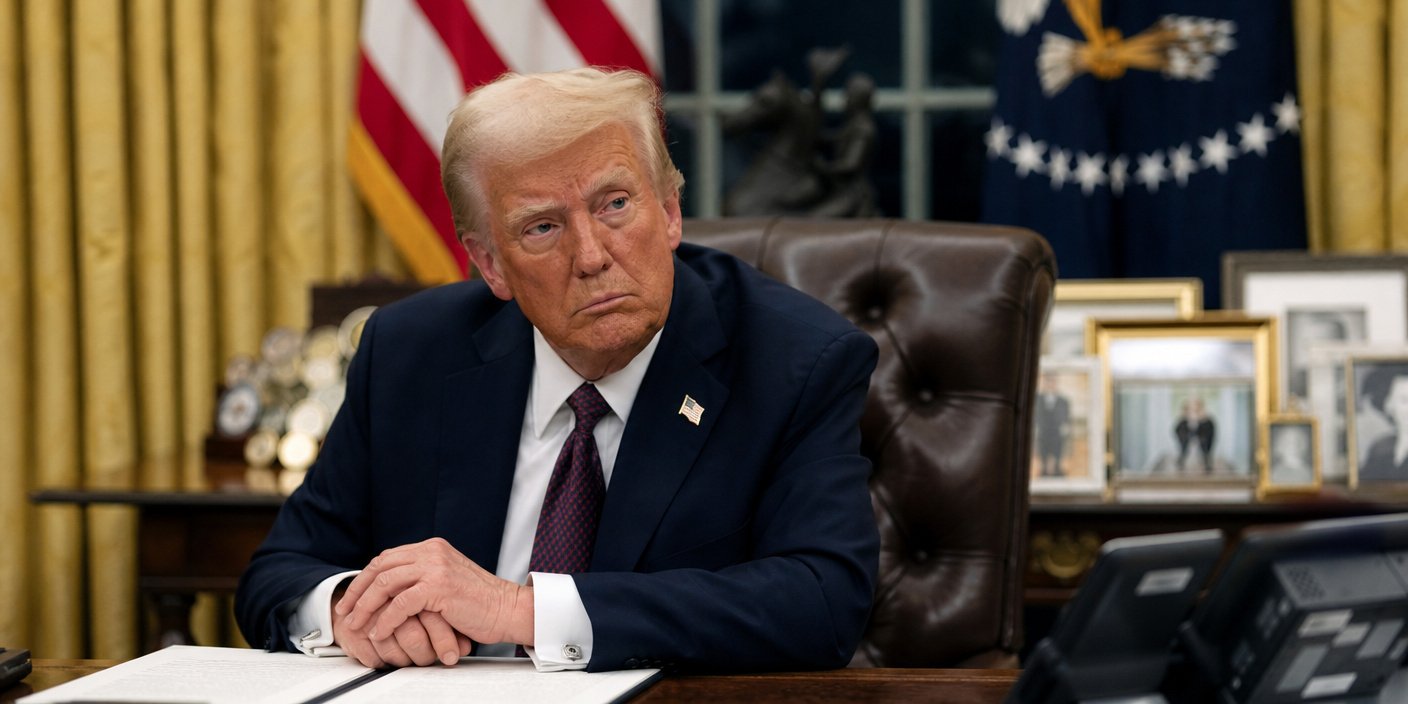
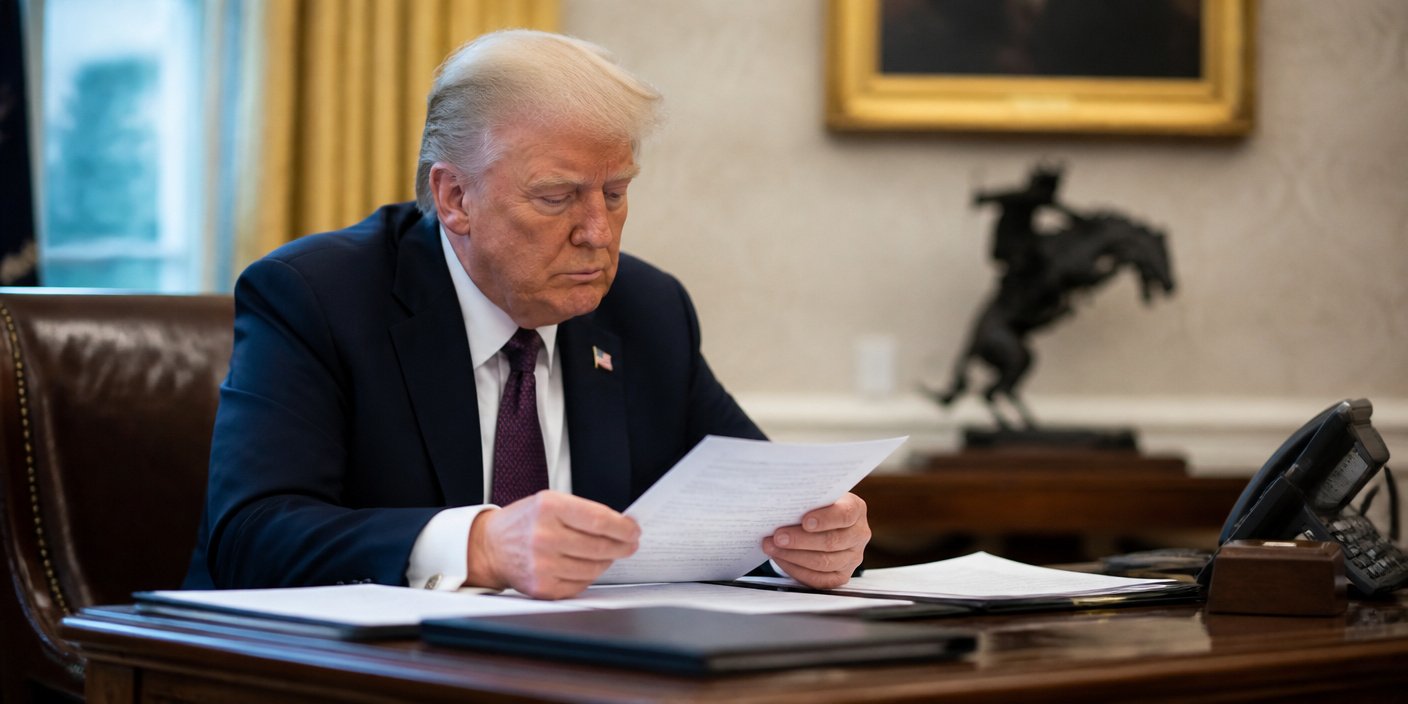
U.S. President Donald Trump, in a widely publicized social media post during the parade, interpreted the gathering as an “attempt to conspire against the United States,” underscoring the perceived adversarial nature of the event from the American perspective. His reaction highlighted the growing geopolitical schism, often characterized as a new Cold War dynamic, pitting a bloc led by the U.S., Japan, and South Korea against the emergent alignment of China, Russia, and North Korea.
Deepening Cooperation: Economic Lifelines and Military Ties
The strategic partnership between China and Russia has seen a significant deepening, underscored by recent agreements on energy security, including the crucial Power of Siberia 2 pipeline, and other sectors like science and healthcare. This economic interdependence reinforces their diplomatic and strategic alignment. Concurrently, North Korea’s role in supplying Russia with vast quantities of ammunition and potentially troops for the Ukraine war highlights the practical military dimension of their “blood alliance.” This mutual support system extends beyond bilateral ties, aiming to collectively challenge Western influence and economic sanctions.
The notion of an “axis of upheaval” gaining tangible form is becoming increasingly evident. This loose, yet potent, coalition is united by its anti-Western stance and its intention to reshape international relations, moving away from perceived American unipolarity towards a more multipolar global structure.
The Shifting World Order: Implications and Future Trajectories
The coordinated presence of Xi, Putin, and Kim in Beijing is more than symbolic; it represents a deliberate effort to redefine the global status quo. This gathering and the military display associated with it are top news, indicating a significant shift in the world’s geopolitical landscape. It signals the potential for a more fractured and volatile international environment, where traditional alliances are re-evaluated and new configurations of power emerge.
While the partnership between these nations may be driven by shared opposition to the West, some analysts suggest it is primarily one of expediency rather than deep ideological affinity. The internal challenges faced by China’s economy and Russia’s ongoing war in Ukraine could influence the longevity and cohesion of this alliance. Nevertheless, the message conveyed from Beijing was clear: a united front against perceived Western hegemony, with profound implications for global security and economic stability.
Conclusion
The Beijing military parade, by bringing together Xi Jinping, Vladimir Putin, and Kim Jong Un, served as a powerful declaration of a new geopolitical era. It showcased not only China’s burgeoning military strength but also the consolidation of an anti-Western alliance challenging the established international order. The event has firmly placed this emerging axis at the forefront of global news, prompting urgent reassessment of security strategies and diplomatic priorities worldwide. As these nations chart a course towards a multipolar world, the implications for global peace and stability remain a critical concern for top policymakers and observers across the globe.