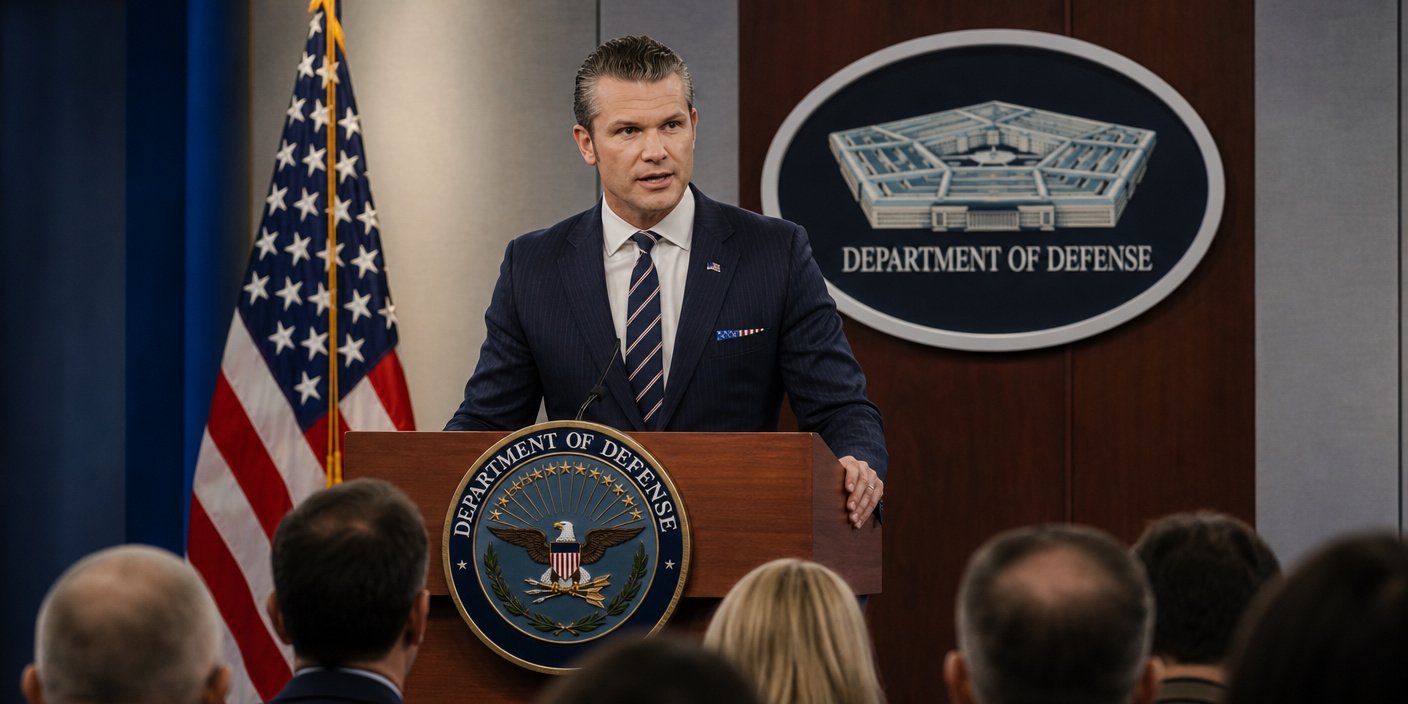
Iran’s state-run Foundation of Martyrs and Veterans Affairs confirmed today that the death toll in the ongoing conflict involving the United States and Israel has officially risen to 3,468. This updated figure, representing the count of individuals identified as ‘martyrs’ by the organization, reflects the continuing human cost of hostilities that first erupted in late February following US-Israeli strikes on Tehran. The disclosure arrives as the region attempts to navigate a fragile two-week ceasefire, with international observers closely monitoring whether this pause in military operations will hold or collapse under the weight of mounting casualties and lingering geopolitical friction.
Key Highlights
- Updated Official Toll: Iran’s Foundation of Martyrs and Veterans Affairs reports 3,468 confirmed deaths.
- Trend Analysis: This figure marks an increase from the 3,375 deaths reported by the Legal Medicine Organization on April 12, indicating a continuing rise in fatality counts.
- Independent Discrepancies: US-based human rights organizations, specifically the Human Rights Activists News Agency (HRANA), estimate the actual death toll may be as high as 3,636.
- Casualty Composition: Official and independent reports emphasize high civilian casualties, including at least 254 children among those lost.
- Strategic Context: The announcement coincides with a volatile two-week ceasefire period, with ongoing diplomatic negotiations struggling to move beyond initial frameworks.
The Rising Human Cost: Analyzing the Escalation
The release of the new casualty figures by the Foundation of Martyrs and Veterans Affairs is more than a administrative update; it serves as a stark metric of the conflict’s intensity since its inception in late February. The transition from the 3,375 deaths recorded by the Legal Medicine Organization on April 12 to the current 3,468 represents a documented increase that has sparked intense scrutiny from both local populations and international monitoring groups. While Iranian officials, led by Foundation chief Ahmad Mousavi, describe these individuals as ‘martyrs’ who fell during the conflict, the data points to a broader, more complex narrative of suffering within the Islamic Republic.
Discrepancies in Reporting
The disparity between the official state numbers and independent estimates—such as the HRANA report of 3,636 total fatalities—highlights the difficulties of verifying information in an active conflict zone. HRANA’s breakdown, which includes 1,701 civilians, 1,221 military personnel, and 714 unclassified individuals, paints a significantly grimmer picture than the state-provided statistics. This gap is common in high-intensity conflicts where access to incident sites is restricted, and authorities often focus on specific definitions of casualty status. For analysts, the variance between state and independent figures is a critical indicator of the degree to which domestic propaganda may be attempting to manage the narrative surrounding the conflict’s severity.
The Human Impact
Perhaps the most harrowing aspect of these figures is the demographic breakdown. With at least 254 children confirmed among the civilian deaths, the conflict has drawn condemnation from various international humanitarian agencies. The destruction of urban infrastructure, including residential areas and community centers, has fundamentally altered the daily life of civilians in Tehran and other affected regions. The recent imagery surfacing from the ground—such as the destruction of sites like the Khorasaniha Synagogue—serves as a physical testament to the urban warfare component of this confrontation.
Geopolitical Tensions and the Ceasefire Dilemma
The declaration of the new death toll occurs during a pivotal window of relative calm. The two-week ceasefire, while offering a respite from the kinetic exchanges that defined March and early April, remains brittle. The conflict, sparked in late February by direct US-Israeli strikes on the Iranian capital, has placed the Middle East on a precarious knife-edge. The effectiveness of the current ceasefire is under constant evaluation by the international community, particularly as both sides continue to trade rhetorical barbs and engage in back-channel negotiations.
The Negotiation Impasse
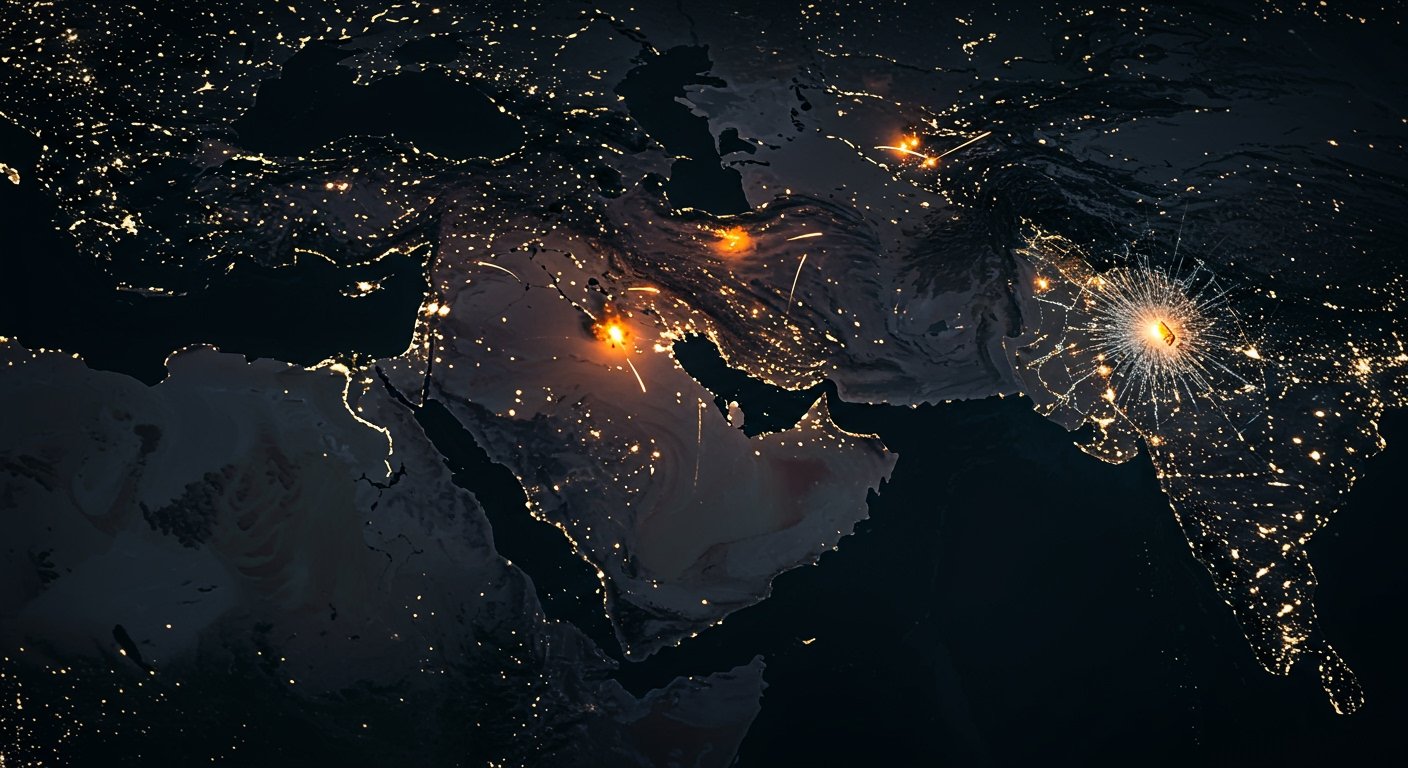
Despite reports that progress has been made in talks with the United States regarding a path to end the war, officials on both sides suggest that a comprehensive agreement remains elusive. Iranian parliamentary speakers have characterized the current status of talks as ‘far from an agreement.’ The primary hurdle appears to be the core disagreement over the conflict’s future trajectory and the underlying issues involving regional security, missile programs, and the presence of foreign military assets. The updated death toll serves as a grim reminder to negotiators that any delay in reaching a durable settlement directly translates into further loss of life.
The Role of International Observers
Global powers are increasingly wary of a potential collapse of the ceasefire. With European and regional nations urging restraint, the pressure on the US and Israel to formalize a longer-term cessation of hostilities is mounting. However, the military establishment in the region continues to emphasize the need for ‘full force’ preparedness should the ceasefire be breached. This duality—pursuing diplomacy while maintaining a posture of total war readiness—is the central paradox of the current situation. The 3,468 fatalities recorded to date are not just a historical count; they are a political burden that makes future concessions more difficult for the Iranian leadership to justify to its populace.
Future Implications: What Lies Ahead?
As the ceasefire nears its tentative conclusion, the path forward is shrouded in uncertainty. The military and political calculus has changed significantly since the conflict began. The sheer volume of casualties and the destruction of infrastructure have created a baseline of resentment that will influence diplomatic relations for years to come. Furthermore, the involvement of diverse military units—from regular army divisions to specialized branches—suggests that the conflict has deeper roots than the initial strikes might have suggested.
The Risk of Renewed Hostilities
If the ceasefire fails to transition into a more stable treaty, the likelihood of a return to high-intensity operations is significant. Both sides have demonstrated the technical capability to strike deep within each other’s territory. For Iran, the strategic imperative is now one of defense and internal stability. For the US and Israel, the goal remains the neutralization of threats they identify as existential. Unless these divergent objectives can be harmonized in a diplomatic forum, the cycle of violence is likely to resume, potentially with even greater intensity.
Long-term Regional Stability
Beyond the immediate conflict, the regional repercussions are profound. Neighboring states are watching closely, concerned that the spillover effects could destabilize their own borders. The economic impact, already felt through disrupted trade routes and rising energy concerns, is another layer of the crisis. The 3,468 figure is more than a statistic; it is a catalyst for a reevaluation of security architectures across the Middle East. Whether this tragedy leads to a new era of dialogue or a deeper entrenchment of hostilities will depend on the decisions made in the coming weeks.
FAQ: People Also Ask
1. Why are there different death toll numbers reported?
State agencies often use specific criteria, such as ‘martyrdom’ status for combatants or government-approved personnel, whereas independent human rights groups count all civilian and military deaths reported through local networks. This leads to discrepancies in the total figures.
2. What is the current status of the ceasefire?
There is a two-week ceasefire currently in place. It has been described as ‘fragile,’ with both sides continuing to prepare for potential renewed military action if diplomatic negotiations fail.
3. How did the conflict between Iran, the US, and Israel begin?
The conflict was triggered in late February by direct military strikes conducted by the US and Israel against targets in Tehran, leading to an immediate military response and the subsequent escalation of the conflict.
4. What does the updated death toll mean for the peace process?
The rising death toll increases the political pressure on all governments involved. It complicates the peace process by creating public pressure to ‘avenge’ the losses, making it more difficult for leaders to reach compromises at the negotiating table.