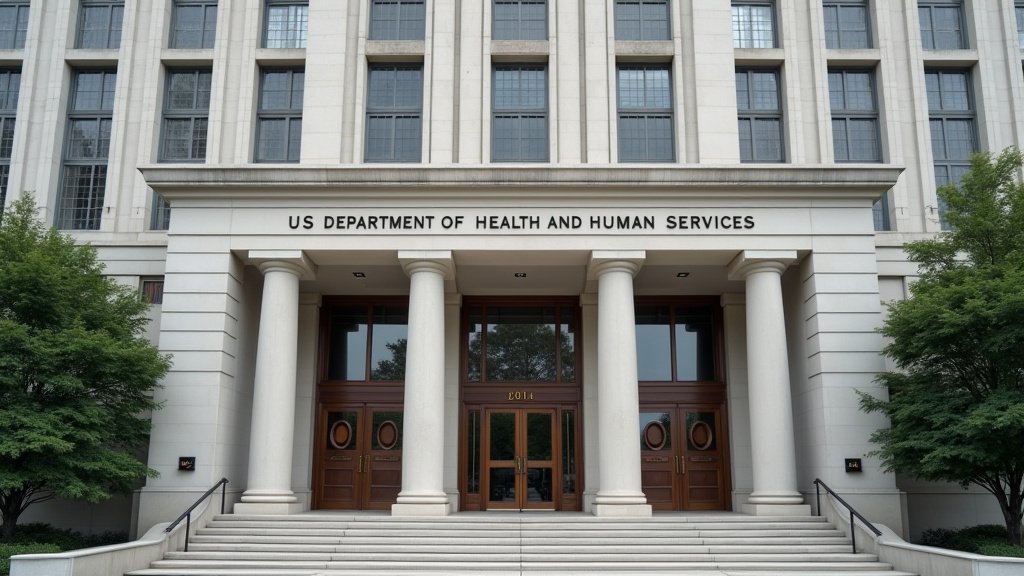
The **National Health Debate** is actively unfolding in Washington, with key legislative proposals emerging and discussions centering on the government’s role in healthcare. This news comes at a critical time for Americans as the complexities of the healthcare system continue to be a primary focus. The ongoing **National Health Debate** highlights several pressing issues.
Public Health Option Emerges in the National Health Debate


Sens. Sheldon Whitehouse and Elissa Slotkin introduced new legislation, with Rep. Jan Schakowsky also co-sponsoring the bill. It proposes a public health insurance option, which would be available on ACA exchanges. The bill is called the Affordable Consumer Health Options and Insurance Competition Enhancement (CHOICE) Act. It aims to boost competition and ensure access to affordable plans. This public option would function similarly to Medicare, offering various coverage tiers as part of the ongoing **National Health Debate**.
ACA Subsidies Expire, Healthcare Affordability Concerns Rise
Millions of Americans face higher health insurance costs as enhanced Affordable Care Act (ACA) subsidies have expired. These ACA subsidies were instrumental in lowering premiums for many. Without them, average premium costs have surged significantly. One analysis shows a 114% increase for affected enrollees, putting immense financial strain on families and potentially leading many to drop coverage. Congress is considering extending these ACA subsidies, but the future of these crucial credits remains uncertain within the broader **National Health Debate**.
Trump Healthcare Plan and Affordability Framework
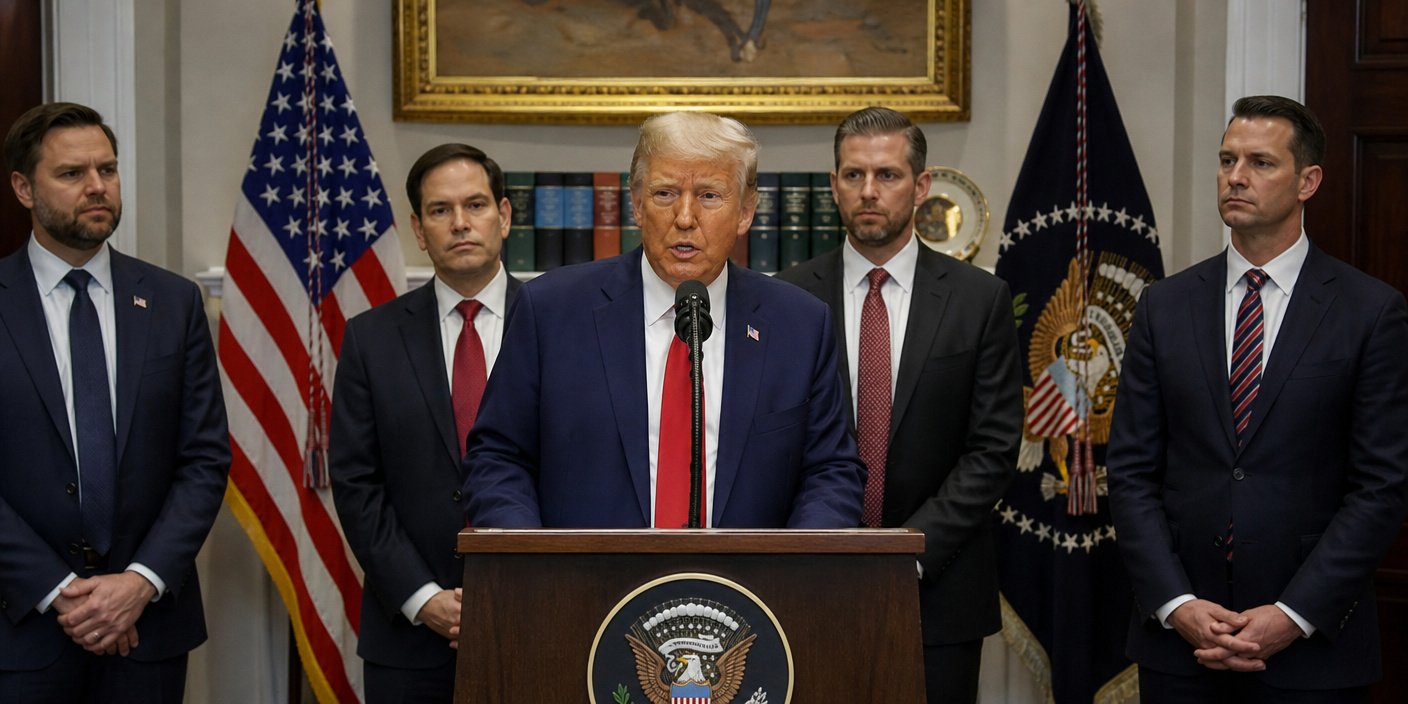
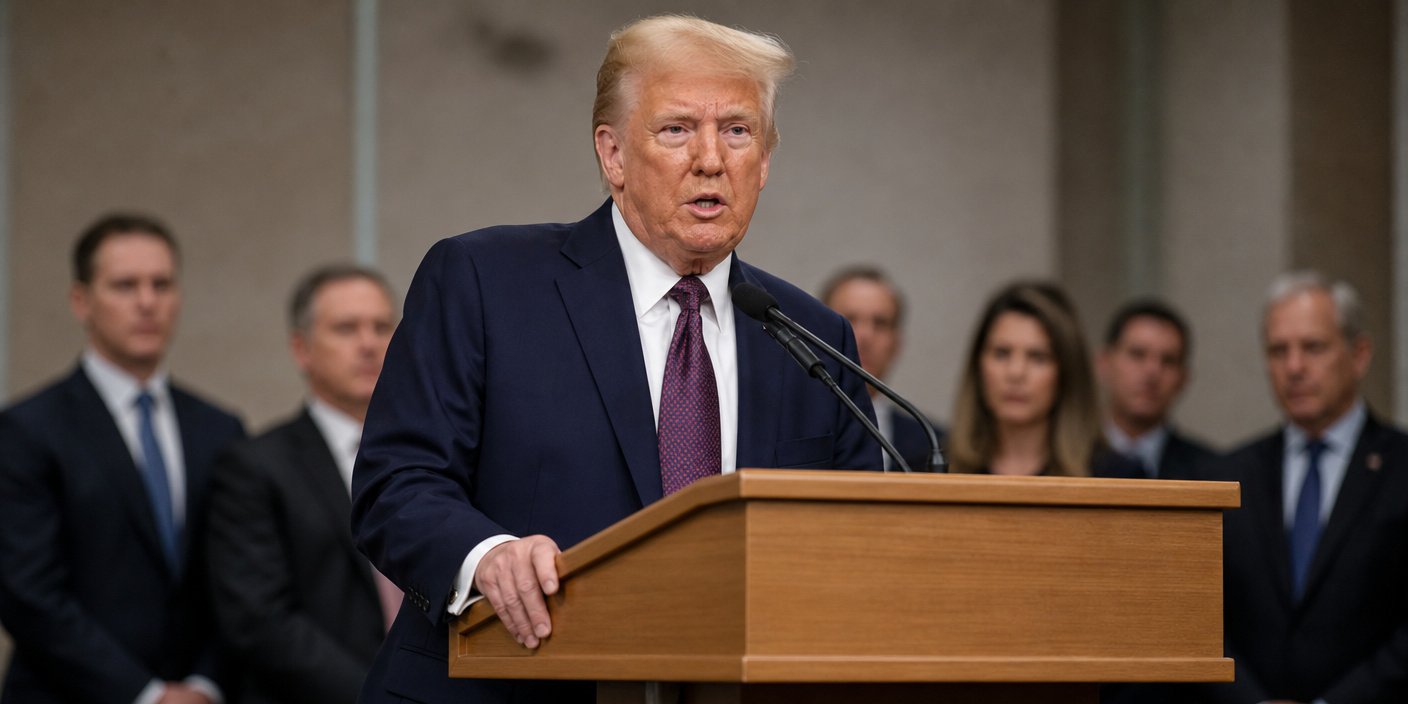
President Donald Trump plans to announce a new health care initiative, a “health care affordability framework,” aimed at addressing rising insurance and medical costs. The **Trump healthcare plan** seeks to reduce premiums and lower prescription drug prices, while also increasing price transparency and demanding accountability from insurance companies. This signals a renewed White House focus on healthcare costs within the current **National Health Debate**.
Obesity Crisis and Structural Barriers to Health
A new scientific statement from the American Heart Association highlights a major health concern: the obesity crisis. Obesity affects over one-third of American adults and children, significantly impacting national health outcomes. The statement identifies socioeconomic and structural barriers, including limited access to healthy foods and a lack of time for meal prep or exercise. Financial constraints and weight stigma are also significant obstacles. Addressing the obesity crisis requires collaboration among government, healthcare professionals, and communities, a crucial element in the **National Health Debate**.
Dietary Shifts and School Nutrition Initiatives
Recent developments also focus on dietary habits, with the “Whole Milk for Healthy Kids Act” signed into law. This bipartisan measure restores whole milk to school cafeterias, allowing schools flexibility in offering milk choices. This aligns with the new Dietary Guidelines for Americans, 2025-2030, which reintroduce full-fat dairy and recommend three daily servings. The guidelines emphasize “eat real food,” encouraging protein, healthy fats, fruits, and vegetables, while advising limits on highly processed foods. The administration also works to rebuild the farm economy, a factor in school nutrition.
Ongoing Health Policy Challenges
These diverse developments underscore the complexity of American health policy. The **National Health Debate** is multifaceted, touching on access, healthcare affordability, and public health. Legislative proposals and policy changes aim to shape the nation’s health landscape. Many Americans face significant health policy challenges and costs. The debate is far from settled, and continued efforts are needed for comprehensive solutions. These news updates show an active focus on the American health system and the continuous **National Health Debate**.