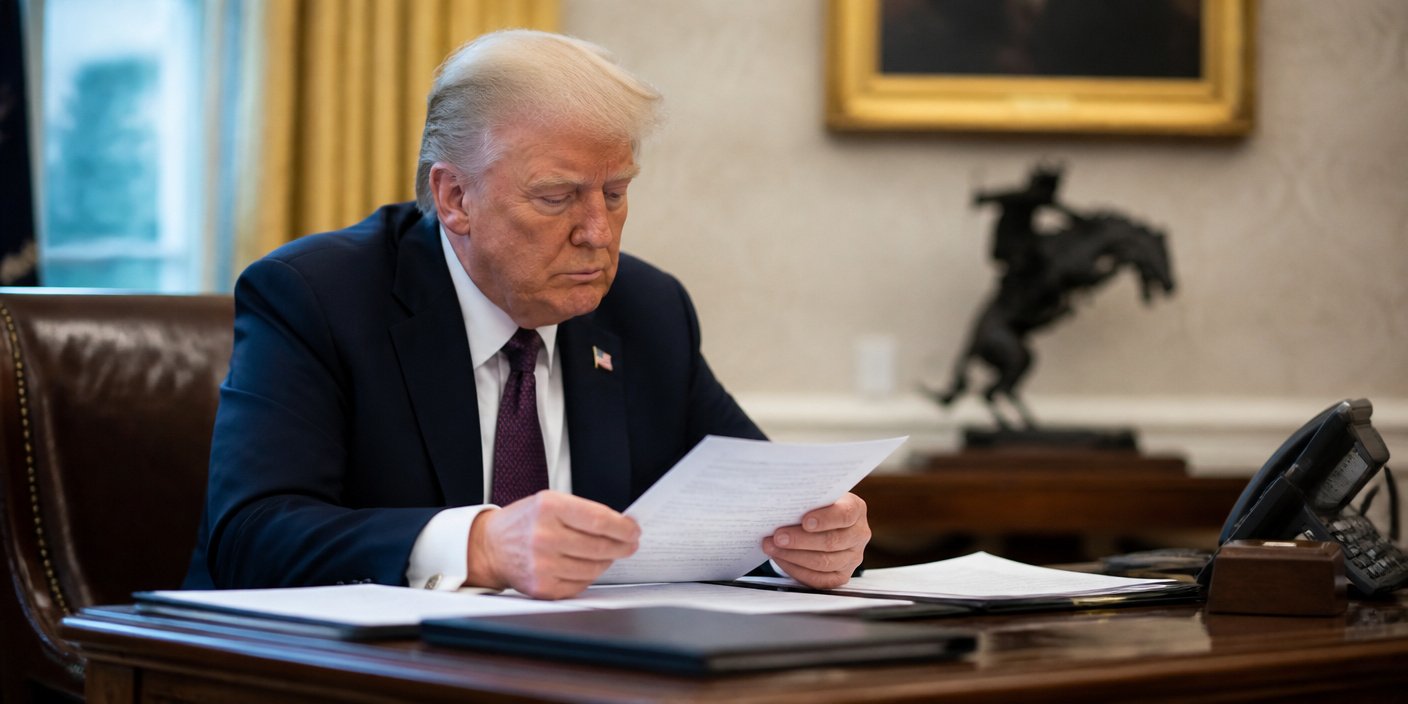
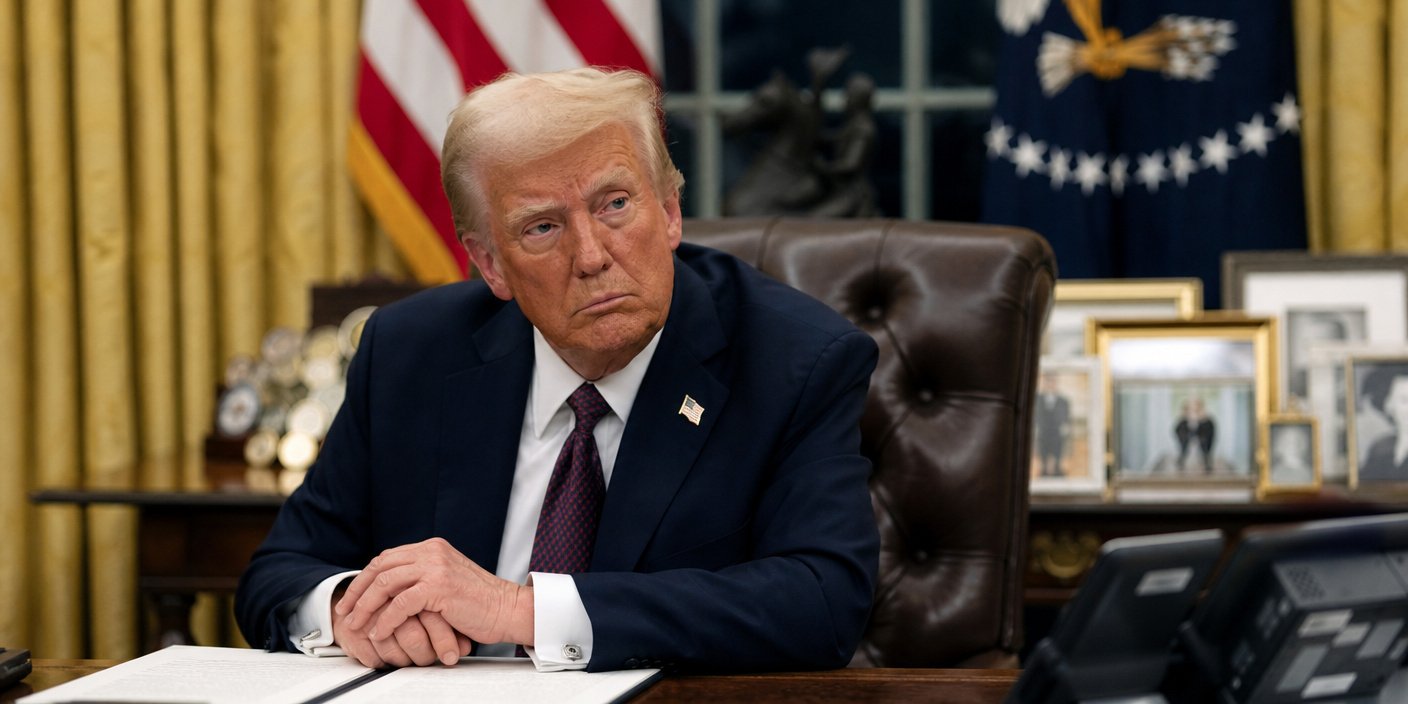
Federal health officials announced major changes to the Child Vaccine Schedule. This new schedule recommends fewer vaccines for all children. The changes came after a presidential directive. President Trump ordered a review of vaccine practices. He wanted to compare US schedules to other nations. The goal was to align with peer countries. This marks a significant shift in national health policy and the US health policy landscape.
Federal Review and Revised Child Vaccine Schedule

Health and Human Services Secretary Robert F. Kennedy Jr. oversaw the changes. The Centers for Disease Control and Prevention (CDC) issued the revised schedule. It reduces universally recommended vaccines from 17 to 11 diseases. This decision aligns the US with international consensus on the child vaccine schedule. It aims to strengthen transparency and informed consent regarding childhood vaccines. Dr. Mehmet Oz, CMS Administrator, stated insurance will still cover all vaccines. No family will lose access to recommended pediatric vaccines. This framework empowers parents and physicians. Individualized decisions are now emphasized within the child vaccine schedule.
Key Recommendations Changed in the Child Vaccine Schedule
Several vaccines are no longer broadly recommended for all children. These include protection against influenza. Rotavirus vaccines are also affected. Hepatitis A and B vaccines have changed. Meningococcal disease vaccines are adjusted. COVID-19 vaccines are now in this category. Respiratory syncytial virus (RSV) protection also shifted. These are now recommended for high-risk groups. They may also be given via shared clinical decision-making. This means a doctor’s consultation is needed for these specific pediatric vaccines. Vaccines remaining on the universal list include measles. Mumps, rubella, polio, and chickenpox are still included. Diphtheria, tetanus, and pertussis remain. Haemophilus influenzae type B (Hib) is also universal. Pneumococcal disease and HPV vaccines are recommended as part of the child vaccine schedule. However, the HPV vaccine dose number changed. It is now one dose instead of two or three. This adjustment impacts the overall child vaccine schedule.
Professional Groups Maintain Established Child Vaccine Schedules
Leading medical organizations voiced concerns. The American Academy of Pediatrics (AAP) rejected the process. They believe the changes are dangerous and unnecessary. The AAP continues to recommend its own established child vaccine schedule. This schedule relies on extensive scientific evidence for vaccine recommendations. The American Academy of Family Physicians (AAFP) also reaffirmed its guidance. They stated vaccines remain the best defense. Their process rigorously reviews scientific data for the child vaccine schedule. State health departments are reacting too. Some express great concern about the federal shift in the child vaccine schedule. They emphasize the importance of scientific evidence. For example, Wisconsin health leaders are concerned. They believe current recommendations protect children’s health. Michigan doctors worry about increased confusion. They feel the decision could erode confidence in the child vaccine schedule. Many states and local health authorities aim to provide clear, credible information regarding the child vaccine schedule.
Experts Raise Concerns Over Child Vaccine Schedule Process
Critics argue the federal review process for the child vaccine schedule was too rapid. It bypassed traditional expert input. This includes the Advisory Committee on Immunization Practices (ACIP). Some experts believe the US schedule was an outlier. However, they question the method used for change in the child vaccine schedule. The core scientific evidence did not change. Instead, the interpretation of evidence shifted. This abrupt change to the child vaccine schedule is seen by some as alarming. It may endanger children’s health. The move could lay groundwork for preventable disease resurgence. These experts argue that public health is not one-size-fits-all. Different countries have different healthcare systems. Population size and disease risk also vary. US immunization policies need US-specific evidence for the child vaccine schedule. They need transparency and a robust review process for the child vaccine schedule.
Insurance and Access Remain Unchanged for the Child Vaccine Schedule
Federal officials stressed key aspects remain constant. All vaccines previously recommended are still covered. Insurance will cover them without cost-sharing. This ensures families can still access chosen vaccines. The goal is to empower parents and physicians regarding the child vaccine schedule. They can make informed decisions based on risk. This approach aims to maintain strong protection. However, the shift impacts how these decisions are made within the child vaccine schedule. It moves from universal recommendation to individual choice for some vaccines.
A Divergent National Health Landscape for the Child Vaccine Schedule
The revised federal vaccine schedule presents a new direction for the child vaccine schedule. It emphasizes alignment with peer nations. It also promotes informed consent and transparency. Yet, major medical bodies and some local health experts disagree on the child vaccine schedule. They maintain their commitment to existing, comprehensive guidelines. These groups believe their evidence-based approach best protects American children. The immunization debate highlights differing views on public health strategy. It also underscores the ongoing importance of vaccines for national health. The landscape for childhood immunization recommendations now includes multiple voices and approaches to the child vaccine schedule.