Skip to content
Trending
July 16, 2025Vance Promotes Economic Benefits of ‘One Big, Beautiful Bill’ in Pennsylvania May 20, 2025Fifth Escapee Apprehended in New Orleans Following Jailbreak Described as Largest in US History August 20, 2025Foxconn’s AI Ascent: Shifting Gears from iPhone Production to Powering the Future of Artificial Intelligence March 8, 2026Trump Administration Censors National Park Signs, Erasing American Stories May 31, 2025US Stocks Soar in May Despite Tariff Jitters: S&P 500 Gains Over 6% in Strongest Month Since Late 2023 June 27, 2025South Dakota Removes Key Driver’s License Barrier for ‘New Americans,’ Report Highlights Broader Societal Shifts Including Gen Z’s View on Safety April 23, 2026CMS Scraps Medicare Part D BALANCE Model Amid PBM Pushback August 8, 2025USA Escalates Trade Tensions: India Faces New Tariffs Over Russian Oil Deal, White House Cites National Security August 8, 2025Israel’s Security Cabinet Approves Gaza City Occupation Plan Amid Growing Global Recognition of Palestinian Statehood February 18, 2025Digital Battlefield: US Tech Giants Fuel Israel’s AI War Effort, Sparking Ethical Concerns
  • Home
  • Top Stories
  • National News
  • Health
  • Business
  • Tech & Innovation
  • Entertainment
  • Politics
  • Culture & Society
  • Crime & Justice
  • Editorial
  • Home
  • Top Stories
  • National News
  • Health
  • Business
  • Tech & Innovation
  • Entertainment
  • Politics
  • Culture & Society
  • Crime & Justice
  • Editorial
  • Blog
  • Forums
  • Shop
  • Contact
  Editorial  US Intelligence Suggests Strikes Set Back Iran’s Nuclear Program by Months, Contradicting Trump’s Claims
Editorial

US Intelligence Suggests Strikes Set Back Iran’s Nuclear Program by Months, Contradicting Trump’s Claims

felicity Kingfelicity King—June 25, 20250
FacebookX TwitterPinterestLinkedInTumblrRedditVKWhatsAppEmail

Washington D.C. – A recent preliminary U.S. intelligence assessment indicates that American military strikes targeting Iran’s nuclear facilities may have provided a far shorter delay to Tehran’s atomic ambitions than publicly suggested by some officials.

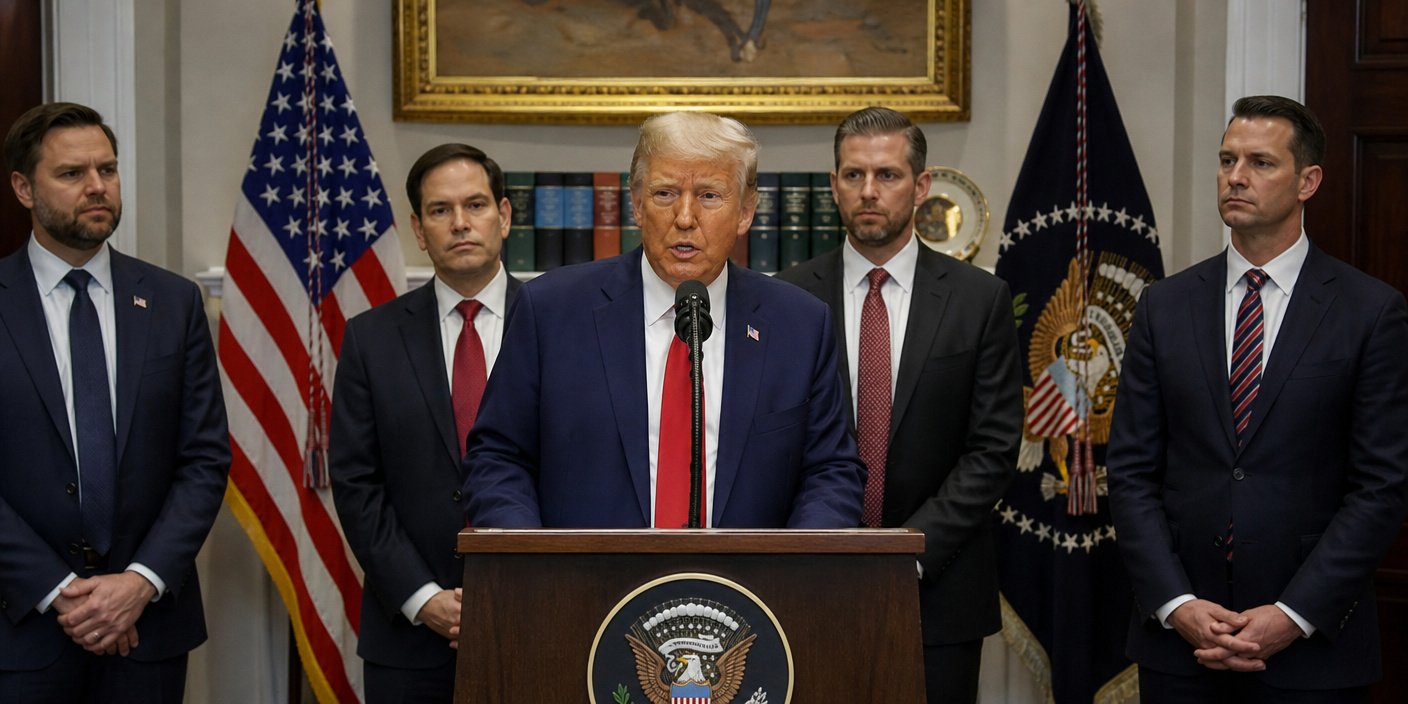
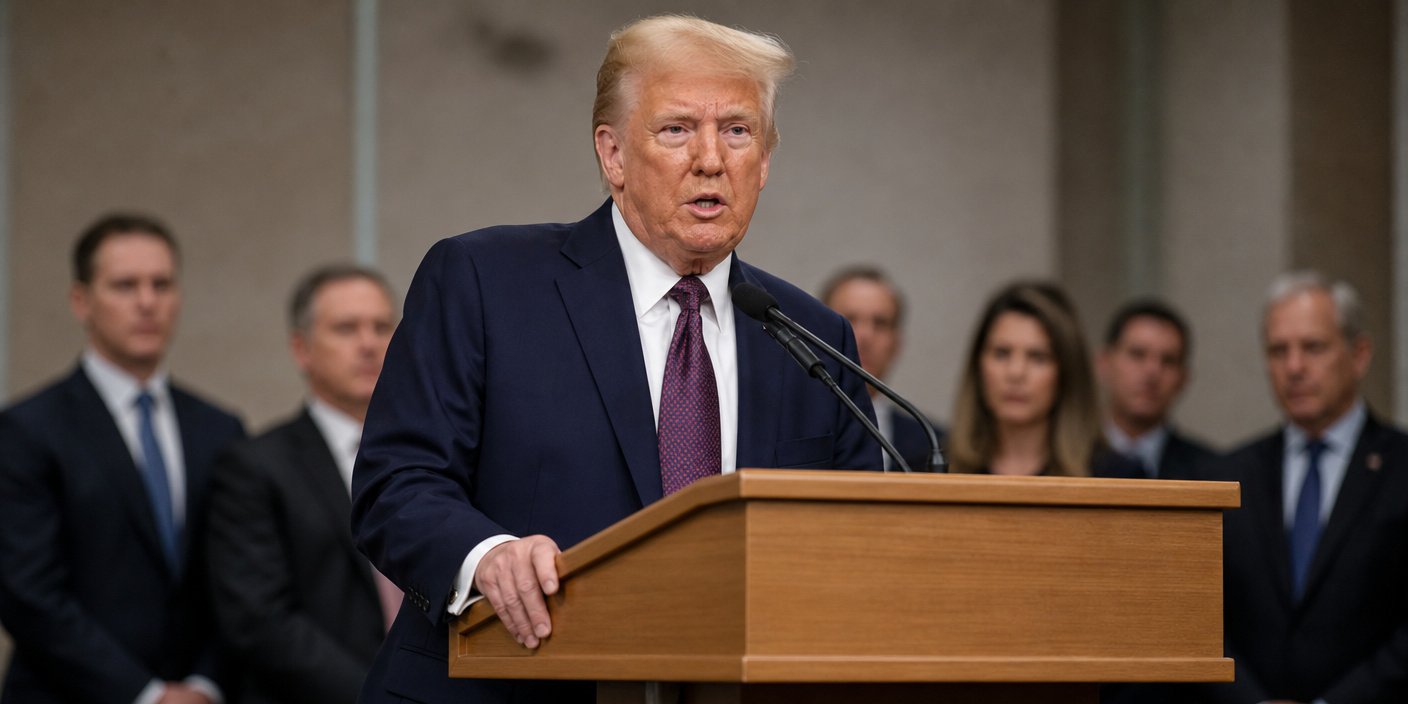
The assessment, reportedly prepared by the Defense Intelligence Agency (DIA), suggests these actions have set back Iran’s nuclear program by only a matter of months, possibly as little as one to two months, according to sources familiar with the findings [9, 5, 10]. This internal evaluation stands in stark contrast to public statements made by President Donald Trump, who asserted that the strikes had “completely and totally obliterated” Iran’s nuclear facilities [8, 10].

Understanding the Intelligence Assessment

The core finding of the intelligence report is that while the U.S. strikes inflicted significant damage, their overall impact on the timeline for Iran potentially developing a nuclear weapon capability was limited. The assessment suggests that key facilities, specifically mentioning sites like Fordo and Natanz, were not entirely destroyed despite sustaining damage [8, 10]. These locations are central to Iran’s nuclear fuel cycle activities, including uranium enrichment.

Furthermore, the intelligence points to a potential reason for the limited long-term impact: the possibility that much of Iran’s enriched uranium stockpile may have been moved to other locations prior to the strikes [8, 10]. Such a pre-emptive measure by Iran would mitigate the effect of damage to the declared facilities, allowing them to potentially resume or continue nuclear work elsewhere or more quickly once repairs are made.

Contradiction with Presidential Claims

More stories

Neo-Nazi Leader Sentenced to 20 Years for Plot to Cripple Maryland’s Power Grid

August 8, 2025

Melania Trump Honors American-Israeli Hostage Stories in White House Meeting

February 6, 2026

American Forces Strike ISWAP In Nigeria’s Sokoto On Christmas

December 26, 2025

Voice of America’s Core Mission Tested: Navigating Independence Under Trump Administration

March 6, 2025

The reported findings directly challenge the more definitive claims made by President Trump. His assertion of “completely and totally obliterated” suggested a crippling blow that would have perhaps set back the program by years, not mere months. The discrepancy between the intelligence assessment and the presidential rhetoric highlights potential differences in evaluating the operational success and strategic consequences of the strikes within the U.S. government.

Intelligence assessments typically provide a more nuanced and cautious analysis of complex situations, factoring in potential enemy countermeasures and the resilience of targeted programs. The DIA’s reported view reflects a concern that while assets were hit, the core capabilities and materials necessary for advancing the program were either not fully eliminated or could be reconstituted relatively quickly.

Regional Context and Ceasefire Dynamics

This intelligence finding emerges against the backdrop of a delicate regional situation. A fragile ceasefire, brokered by President Trump, currently appears to be holding between Israel and Iran following a period of heightened hostilities [7, 5]. The recent exchange of fire and subsequent truce underscore the volatile nature of the relationship between the two adversaries.

The intelligence assessment’s timing is particularly significant, as it provides context for evaluating the effectiveness of military action as a means of preventing Iran from acquiring nuclear weapons. A setback measured in months rather than years implies that military strikes alone may not be a definitive solution and highlights the continued urgency of diplomatic or other means to address the nuclear challenge.

Reports also indicate that President Trump has expressed frustration with both Israel and Iran over alleged violations of the fragile truce he helped negotiate [8, 4]. This reported frustration adds another layer to the complex dynamic, suggesting the difficulty in maintaining stability and controlling the actions of regional players, even after brokering a halt to open conflict.

Implications for Future Policy

The intelligence assessment, if confirmed, could have significant implications for future U.S. policy regarding Iran’s nuclear program. It suggests that relying solely on targeted strikes may not be sufficient to achieve a lasting non-proliferation goal. Policymakers will need to consider whether the costs and risks of military action are justified by a limited, months-long delay.

The findings could lend weight to arguments for renewed diplomatic efforts, stricter sanctions, or enhanced international inspections as necessary components of a comprehensive strategy. The assessment underscores the resilience and potential redundancy within Iran’s nuclear infrastructure and highlights the challenges inherent in dismantling such a program through military means alone.

Ultimately, the reported DIA assessment provides a sobering perspective on the efficacy of the recent strikes, suggesting that while they caused damage, they may have only temporarily slowed, rather than fundamentally stopped, Iran’s progress in its controversial nuclear program. This evaluation sets a more modest benchmark for the impact of the military actions compared to the more decisive outcomes described in some public accounts.
author avatar
felicity King
See Full Bio
FacebookX TwitterPinterestLinkedInTumblrRedditVKWhatsAppEmail

felicity King

Apple Supplier Foxconn Commits $2.2 Billion to India, US Amid Supply Chain Diversification From China
US Intelligence Report Contradicts Trump: Iran Nuclear Strikes Set Program Back Months, Not Destroyed
Related posts
  • Related posts
  • More from author
Editorial

GOP Stands by Trump as Iran War Powers Deadline Passes

May 1, 20260
Editorial

James Comey Indicted: DOJ Cites ’86 47′ Shell Photo as Threat

April 29, 20260
Editorial

Trump Calls for Unity Following White House Security Breach

April 26, 20260
Load more
Read also
Top Stories

Trump Questions Iran Deal, US Scales Back German Troops

May 3, 20260
Culture & Society

US Embraces Diversity: Shifting Cultural Landscape

May 2, 20260
Top Stories

Trump Ends Historic 35-Day Shutdown: A Retrospective

May 1, 20260
Politics

Supreme Court Kills Louisiana Map; Primaries Suspended

May 1, 20260
Entertainment

The Devil Wears Prada 2: A Fashion Legacy Reborn for 2026

May 1, 20260
Editorial

GOP Stands by Trump as Iran War Powers Deadline Passes

May 1, 20260
Load more

Recent Posts

  • Trump Questions Iran Deal, US Scales Back German Troops
  • US Embraces Diversity: Shifting Cultural Landscape
  • Trump Ends Historic 35-Day Shutdown: A Retrospective
  • Supreme Court Kills Louisiana Map; Primaries Suspended
  • The Devil Wears Prada 2: A Fashion Legacy Reborn for 2026

Recent Comments

No comments to show.
Social networks
FacebookLikes
X TwitterFollowers
PinterestFollowers
InstagramFollowers
YoutubeSubscribers
VimeoSubscribers
Popular categories
  • Top Stories534
  • National News299
  • Editorial266
  • Business254
  • Politics252
  • Crime & Justice236
  • Entertainment232
  • Health203
  • Tech & Innovation195
  • Culture & Society191
  • Uncategorized2

Trump Questions Iran Deal, US Scales Back German Troops

May 3, 2026

US Embraces Diversity: Shifting Cultural Landscape

May 2, 2026

Trump Ends Historic 35-Day Shutdown: A Retrospective

May 1, 2026

Supreme Court Kills Louisiana Map; Primaries Suspended

May 1, 2026

The Devil Wears Prada 2: A Fashion Legacy Reborn for 2026

May 1, 2026

Awards Season Culminates: Previewing the 97th Academy Awards and Weekend Entertainment Options

4534 Comments

S&P 500 Nears Record as Nasdaq Hits Three-Week High; Major Indexes Post Strong Weekly Gains on February 14, 2025

779 Comments

Google Introduces Premium AI Ultra Subscription Globally: Advanced Capabilities and Pricing Details Emerge

771 Comments

Trump Rallies GOP on Capitol Hill Amidst Doubt for Sweeping Domestic Policy Bill

582 Comments

Future of Telecom: How AI and 5G Convergence is Driving Innovation

542 Comments
    © Copyright 2025, All Rights Reserved
    • About
    • Privacy
    • Contact