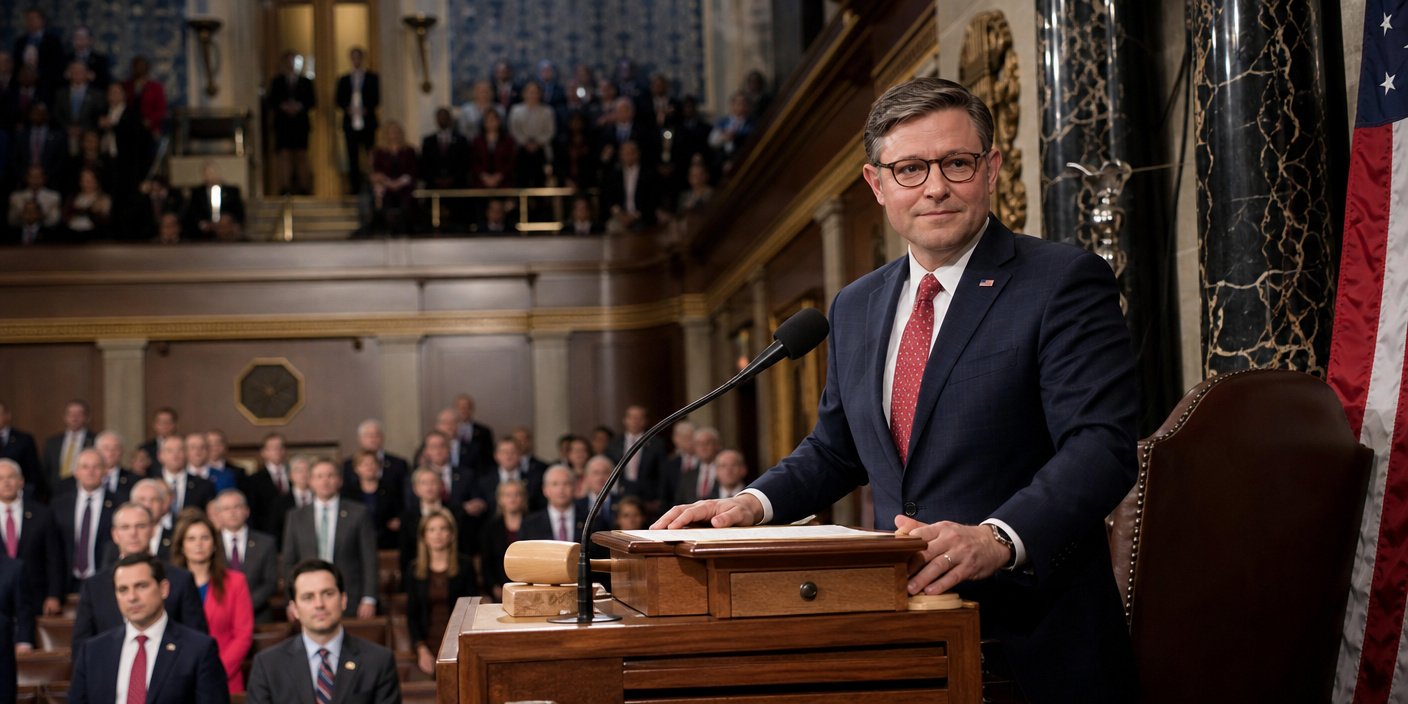
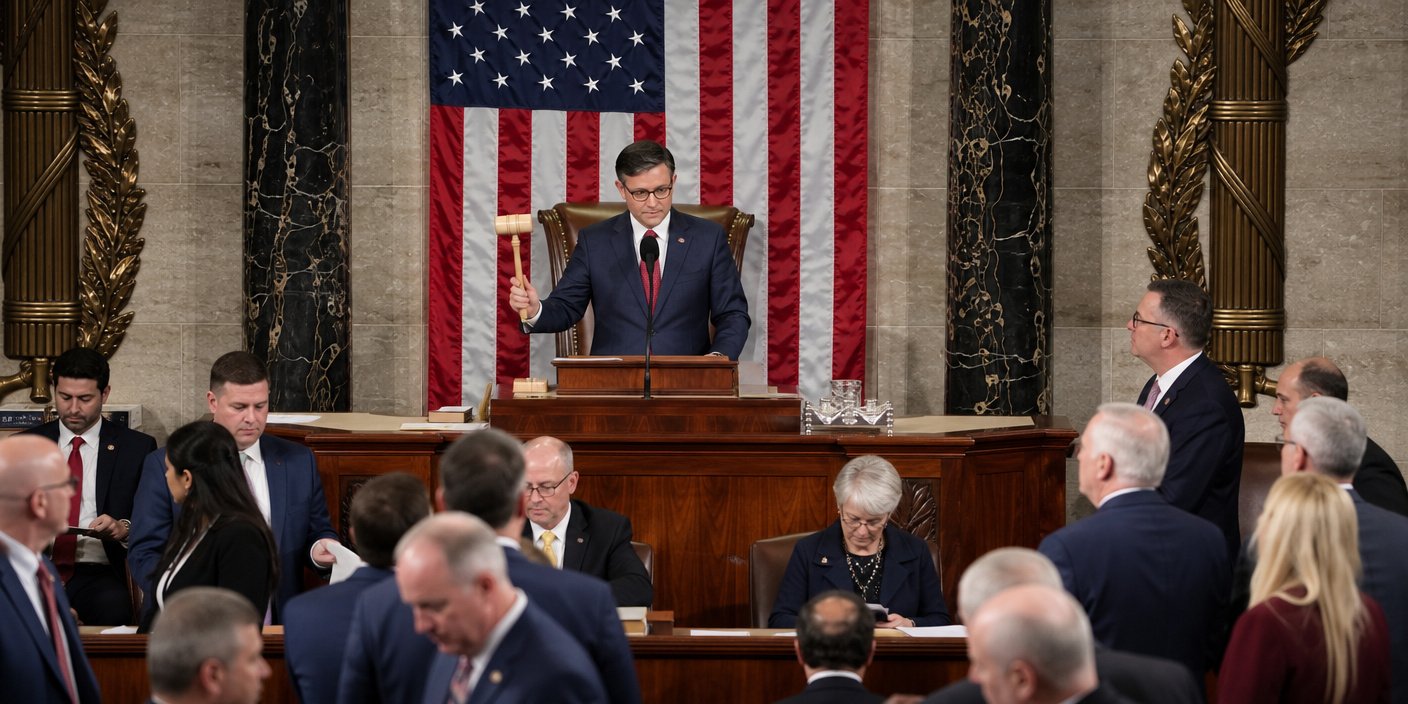
Lawmakers are scrutinizing the long-term implications and financial burden of the prolonged conflict in Iran as it nears its conclusion.
- A bipartisan consensus is emerging that a full cost-benefit analysis of the Iran war is overdue.
- Concerns are mounting over the human toll and the economic resources expended.
- Questions are being raised about the strategic objectives achieved and whether they justify the protracted engagement.
- The final stages of withdrawal and the subsequent regional stability are key discussion points.
The Reckoning: Evaluating the Iran War’s True Cost
The conclusion of the Iran war presents a critical juncture for policymakers, prompting a deep and often uncomfortable examination of the conflict’s substantial costs against its perceived strategic gains. Years of military engagement, significant financial outlays, and a tragic loss of life have left many in Congress questioning the ultimate value of the prolonged intervention. As U.S. forces prepare to withdraw, the focus is shifting from active combat to a comprehensive retrospective, aiming to understand what lessons can be learned and how to avoid similar protracted engagements in the future. The debate is multifaceted, touching upon geopolitical efficacy, economic sustainability, and the ethical considerations of interventionism.
Strategic Objectives and Shifting Sands
The initial rationales for engaging in Iran, often centered on counter-terrorism, regional stability, and preventing proliferation, are now being revisited with a critical eye. Critics argue that the objectives have become increasingly amorphous, and the definition of success has shifted over time, making a clear assessment of achievements difficult. The rise of new threats and the evolving geopolitical landscape have further complicated the strategic calculus, leading some to question whether the resources dedicated to the Iran conflict could have been better allocated to address emerging global challenges.
The Economic Burden of Protracted Conflict

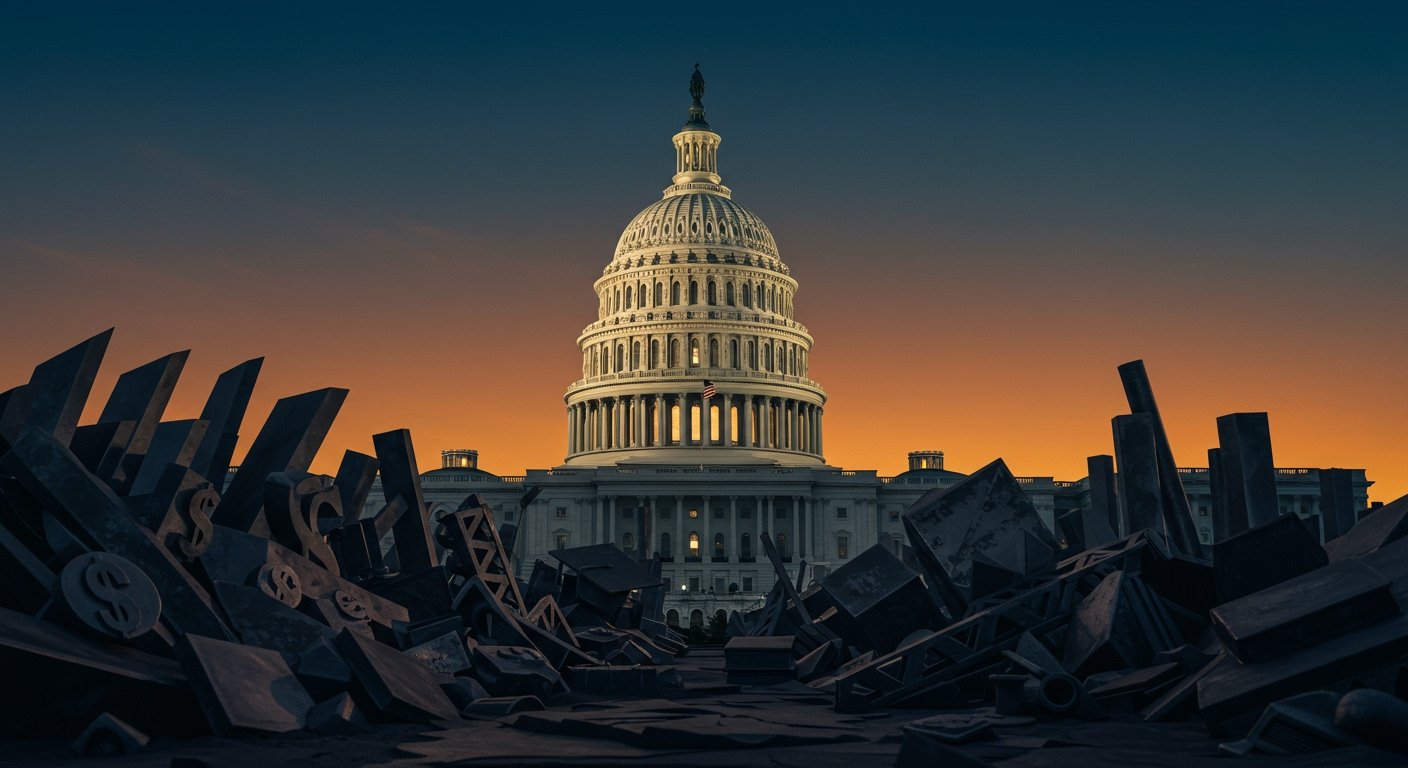
Beyond the human cost, the financial expenditure of the Iran war represents a significant drain on national resources. Estimates of the total economic burden, including military operations, reconstruction efforts, and long-term veteran care, run into the trillions of dollars. This immense cost raises serious questions about fiscal responsibility and the opportunity cost of such investments. In an era of competing domestic priorities and growing national debt, the justification for such extensive spending on overseas conflicts is under intense scrutiny. The economic impact extends beyond direct government spending, affecting global markets, energy prices, and international trade dynamics.
Human Cost and Societal Impact
The most profound cost of any war is the loss of human life and the devastating impact on individuals, families, and communities. The Iran war has resulted in casualties on all sides, including military personnel, civilians, and allied forces. The long-term consequences for veterans, including physical and psychological trauma, require ongoing support and resources. Furthermore, the societal impact of prolonged conflict, including the erosion of public trust and the potential for radicalization, are critical considerations in evaluating the war’s overall legacy. The ethical dimensions of intervention, including the responsibility to protect and the unintended consequences of military action, are central to this ongoing discussion.
Lessons for Future Foreign Policy
As the dust settles, policymakers are tasked with distilling actionable insights from the Iran war experience. The aim is to develop a more effective foreign policy framework that balances national security interests with diplomatic solutions and a judicious use of military force. This includes re-evaluating the criteria for intervention, improving intelligence gathering and analysis, and fostering stronger international cooperation. The focus is on building a more resilient and adaptive approach to foreign relations, one that is informed by the hard-won lessons of past conflicts.
FAQ: People Also Ask
What were the main reasons for the US involvement in Iran?
Initial reasons often cited included counter-terrorism efforts, promoting regional stability, and addressing concerns over Iran’s nuclear program. However, these objectives evolved and were debated throughout the conflict.
How has the Iran war impacted the global economy?
The war has had significant economic repercussions, including fluctuations in oil prices, increased defense spending worldwide, and disruptions to international trade routes. The long-term economic consequences are still being assessed.
What is the current status of US troop withdrawal from Iran?
As of recent reports, the United States is in the final stages of withdrawing its military forces from Iran, a process that has been ongoing for a significant period.
What are the primary concerns regarding the post-war stability in Iran?
Concerns include the potential for a resurgence of extremist groups, internal political instability, and the humanitarian impact on the civilian population. The geopolitical implications for neighboring regions are also a major focus.