Chevron has officially confirmed plans to broaden its energy production footprint in Venezuela, operating under the terms of a freshly brokered, administration-backed deal that uniquely integrates a Pentagon stake in the revenue stream. This expansion marks a significant pivot in US-Venezuela energy relations, aiming to leverage the South American nation’s vast crude reserves to bolster energy security while establishing a direct financial nexus between private corporate extraction and federal defense interests.
Key Highlights
- Chevron confirms a large-scale expansion of operations within Venezuelan territory.
- The initiative is supported by a specific deal brokered by the Trump administration to unlock oil production.
- A novel aspect of the agreement involves the Pentagon receiving a designated stake in the profits derived from these operations.
- This strategic shift seeks to stabilize regional oil flows while redefining the intersection of private energy enterprise and national defense revenue.
The Strategic Realignment of US-Venezuela Energy Dynamics
The announcement that Chevron will scale up its operations in Venezuela represents more than just a logistical shift for the energy giant; it signifies a tectonic move in the geopolitical and economic architecture of the hemisphere. By securing an administration-backed pathway for expansion, Chevron is positioned to re-engage with assets that have been largely sidelined or operated at a minimum capacity due to years of sanctions and infrastructure decay. The core of this new development lies in the specific financial framework established by the current administration, which links the success of these extraction efforts directly to federal defense funding.
Mechanics of the Pentagon-Corporate Partnership
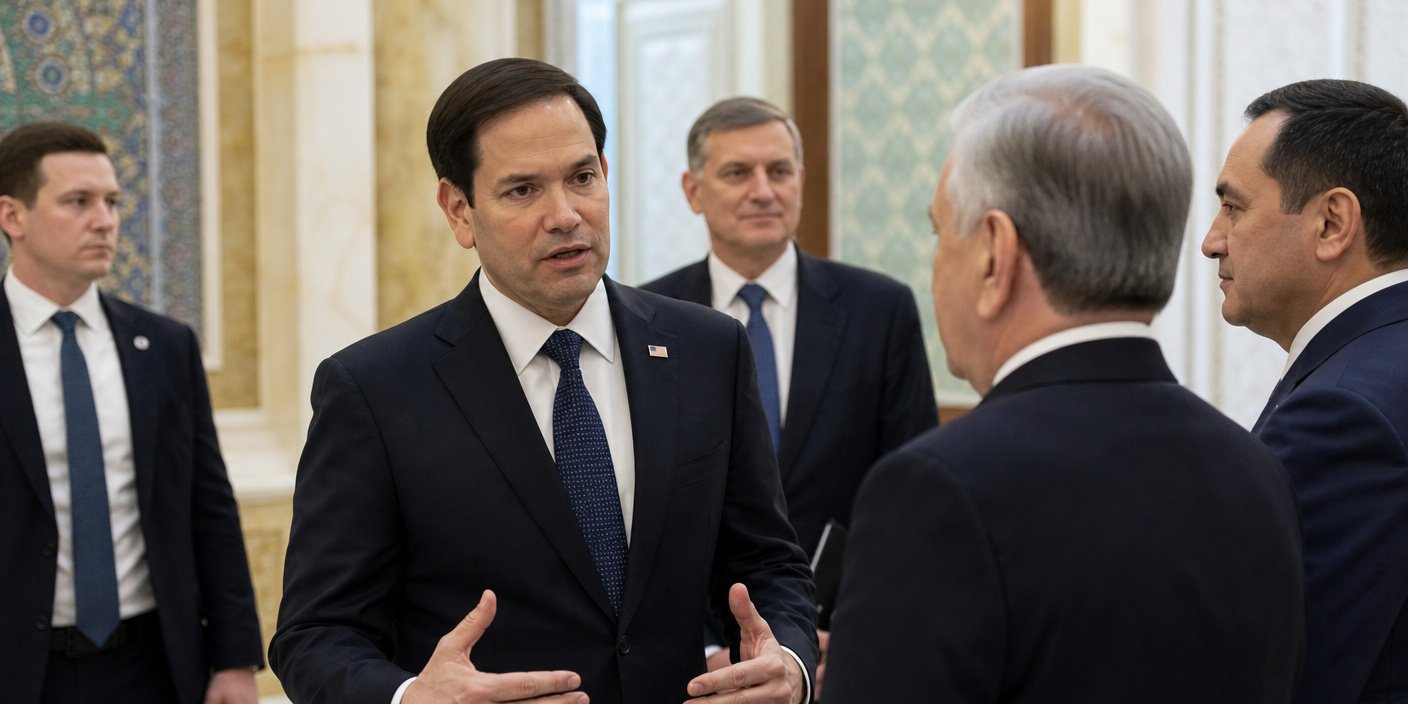
For industry analysts, the inclusion of a Pentagon stake in oil profits is a novel mechanism that challenges traditional models of private-sector energy exploration. Historically, the Pentagon has maintained an interest in energy security—protecting supply lines and ensuring market stability—but has rarely held a direct financial claim on the revenue streams of a multinational corporation like Chevron. This deal suggests a new era of state-capitalist hybridity where the Department of Defense acts as both an enabler of operational security and a beneficiary of the commodity boom.
By formalizing this relationship, the administration intends to ensure that the revenue generated from Venezuelan oil reserves contributes directly to national security priorities. For Chevron, the trade-off is clear: by accepting this unique profit-sharing structure, the company gains the political cover and operational guarantees necessary to deploy capital into a historically volatile region. This effectively derisks the investment by aligning the project’s success with the very agencies tasked with overseeing its environment.
Revitalizing Venezuela’s Energy Infrastructure
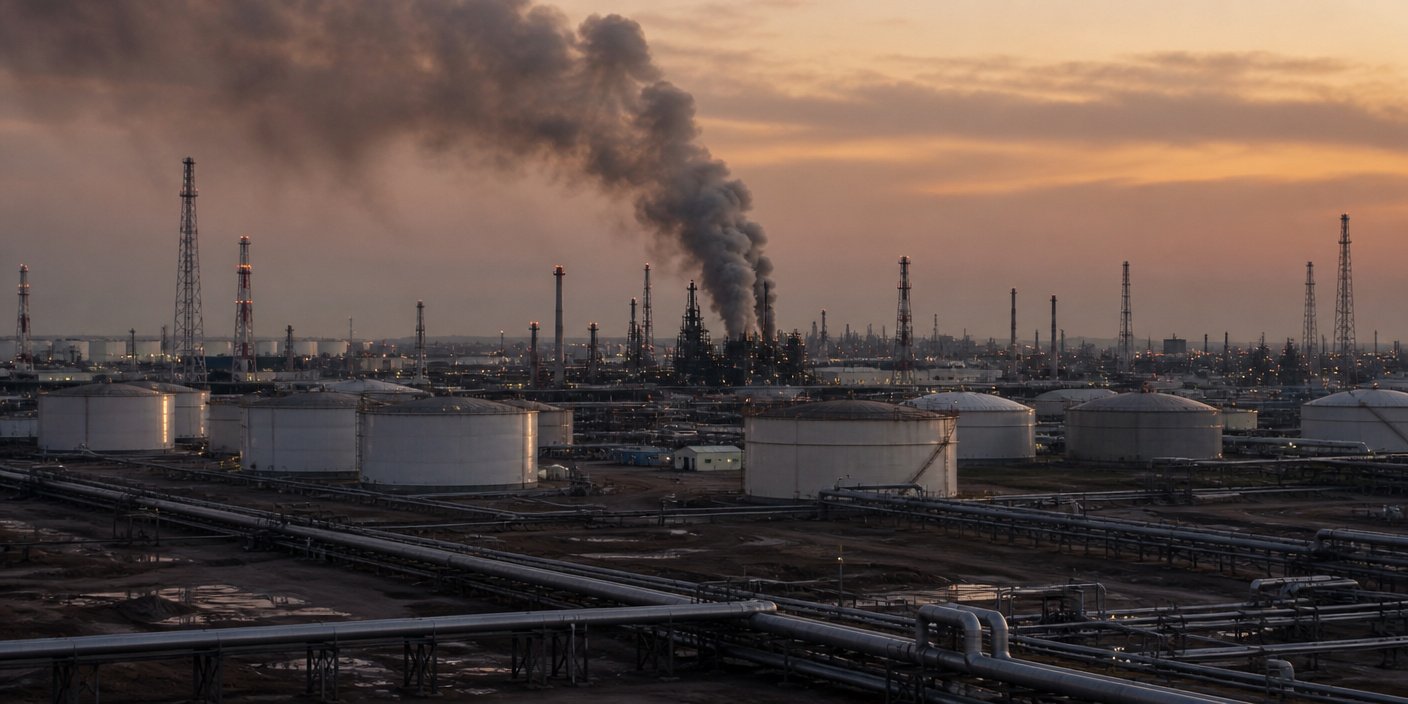
Venezuela possesses the largest proven oil reserves in the world, yet its production output has suffered from decades of underinvestment, mismanagement, and limited access to technology. Chevron’s expansion is expected to focus on revitalizing the Petropiar and Petroindependiente joint ventures, where the company holds established stakes. The infusion of capital, combined with American technological expertise, aims to arrest the decline in production levels.



Infrastructure remediation will be the immediate priority. Current operations require significant modernization of extraction equipment, pipeline integrity, and terminal management. By bringing in advanced drilling technologies and modern logistical frameworks, Chevron aims to improve the efficiency and safety of existing sites. This is not merely an increase in drilling; it is a holistic rehabilitation of the upstream capacity necessary to bring Venezuelan crude back onto the global market in a competitive, reliable volume.
Geopolitical and Market Implications
The decision to expand production in Venezuela creates a ripple effect across global oil markets. As supply constraints remain a central concern for major economies, the influx of Venezuelan crude—facilitated by this Chevron deal—could serve as a crucial stabilizer for global prices. However, the move also invites complex geopolitical scrutiny. Regional players and international partners will be monitoring the implementation of this deal closely to understand how it impacts the existing sanctions landscape and the broader, delicate balance of power within South America.
Furthermore, the long-term viability of this deal depends on the stability of the local political climate. While the Pentagon’s involvement offers a unique layer of security, the logistical challenges of operating in Venezuela are significant. Chevron’s management will have to balance its corporate mandate of profitability with the multifaceted requirements of the US administration’s security-first energy policy. This tension between market efficiency and state-driven geopolitical objectives will be the primary narrative to watch in the coming quarters.
Economic Forecasting and Future Predictions
Looking ahead, the success of this initiative could set a precedent for future US-led energy extraction projects in formerly sanctioned territories. If the Chevron model—coupling private operational efficiency with federal profit participation—yields tangible energy security benefits, we may see a wider adoption of this strategy. Economically, the move is designed to create a self-sustaining cycle: increased oil production lowers price volatility, while the Pentagon’s profit stake provides non-appropriated funds for defense initiatives, theoretically insulating them from traditional budgetary constraints.
However, market participants remain cautious. The operational timeline for scaling up production is rarely linear. Infrastructure delays, political shifts, and global oil price fluctuations remain persistent variables. Chevron’s ability to navigate these challenges, while adhering to the strict parameters of the Pentagon agreement, will determine whether this partnership serves as a blueprint for future energy diplomacy or as an isolated exception in a volatile global energy landscape.
FAQ: People Also Ask
Q: What is the primary role of the Pentagon in the Chevron-Venezuela deal?
A: The Pentagon holds a direct stake in the profits derived from Chevron’s expanded operations in Venezuela, creating a unique mechanism where energy production revenue is funneled toward national defense interests.
Q: How does this deal impact current US sanctions on Venezuela?
A: The deal functions under an administration-backed framework designed to unlock specific oil reserves, representing a targeted carve-out or policy shift intended to prioritize energy supply security over previous broad-reaching sanctions regimes.
Q: What specific assets is Chevron focusing on in Venezuela?
A: Chevron is focusing on revitalizing its established joint ventures, specifically projects such as Petropiar, which require significant technological upgrades and capital infusion to restore previous production capacity.
Q: Will this expansion immediately lower global oil prices?
A: While the expansion aims to increase global oil supply, market impact will be gradual, depending on the speed of infrastructure rehabilitation and the consistent flow of production, rather than an immediate price correction.