Summary Lead
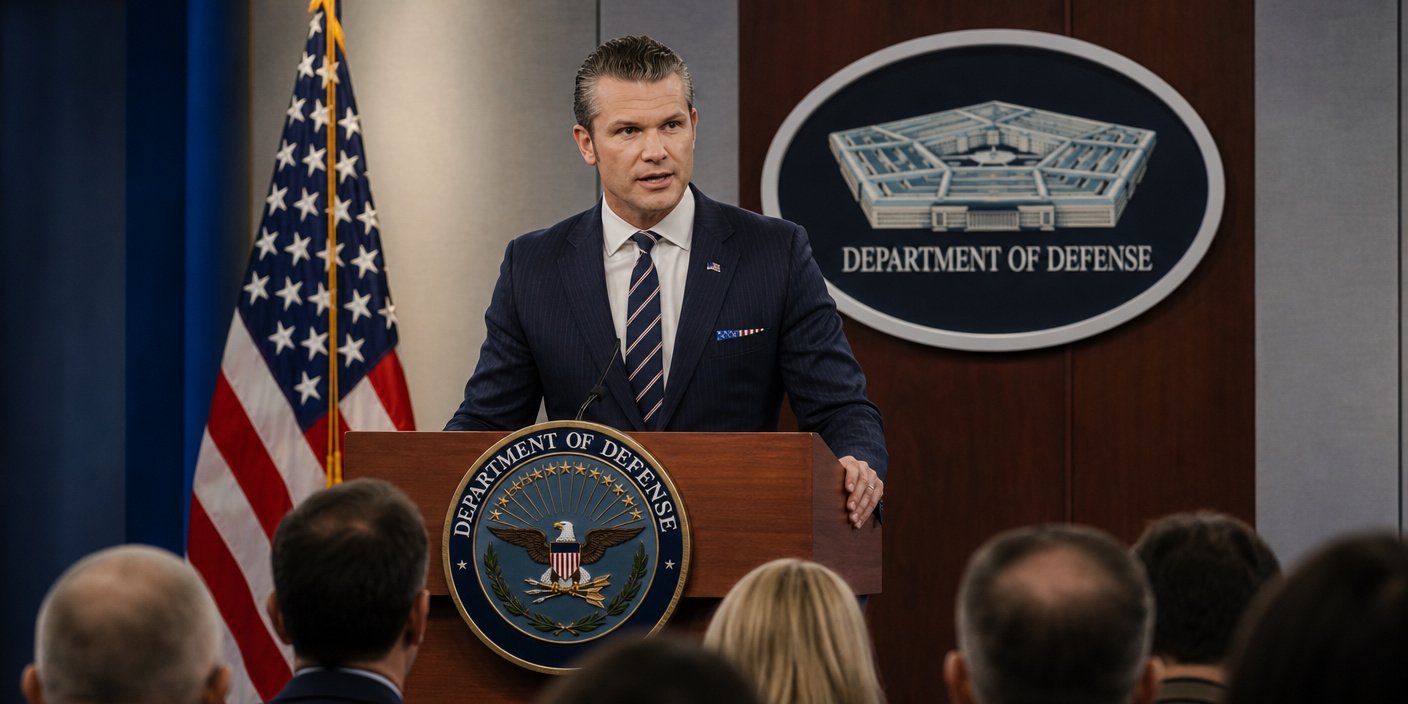
A high-ranking counterterrorism official has resigned from their position, citing profound concerns over the escalating rhetoric and potential for military conflict with Iran. The departure signals deep divisions within security circles regarding the current geopolitical strategy and its implications for regional and global stability.
Key Highlights
- A senior counterterrorism official has resigned, citing fears of an Iran war.
- The official’s resignation highlights internal dissent on national security strategy.
- Concerns center on the potential for miscalculation leading to wider conflict.
- The resignation could signal broader unease within intelligence and defense communities.
National Security Veers Towards Conflict: An Official’s Dissent
The abrupt resignation of a key counterterrorism official has sent ripples through Washington, underscoring a growing chasm between national security priorities and the perceived drift towards a potential military confrontation with Iran. The official, whose identity is being withheld pending formal statements, reportedly cited ‘irreconcilable differences’ over the administration’s Iran policy as the primary reason for their departure. This move is particularly significant given the delicate geopolitical climate and the potentially catastrophic consequences of a full-scale conflict in the Middle East.
Internal Discontent and Strategic Divergence
Sources close to the matter suggest that the departing official had grown increasingly alarmed by what they perceived as an aggressive stance and a lack of robust diplomatic engagement aimed at de-escalating tensions with Tehran. The official’s tenure was reportedly marked by persistent advocacy for de-escalation and a focus on intelligence-driven containment rather than preemptive military action. Their resignation is seen by many as a stark warning from within the national security apparatus that the current trajectory risks a dangerous miscalculation. This internal dissent is not isolated; reports indicate that a segment of the intelligence community shares these anxieties, believing that the emphasis on military preparedness may be overshadowing critical diplomatic channels and intelligence assessments of Iran’s actual capabilities and intentions.
The Specter of War and Regional Instability
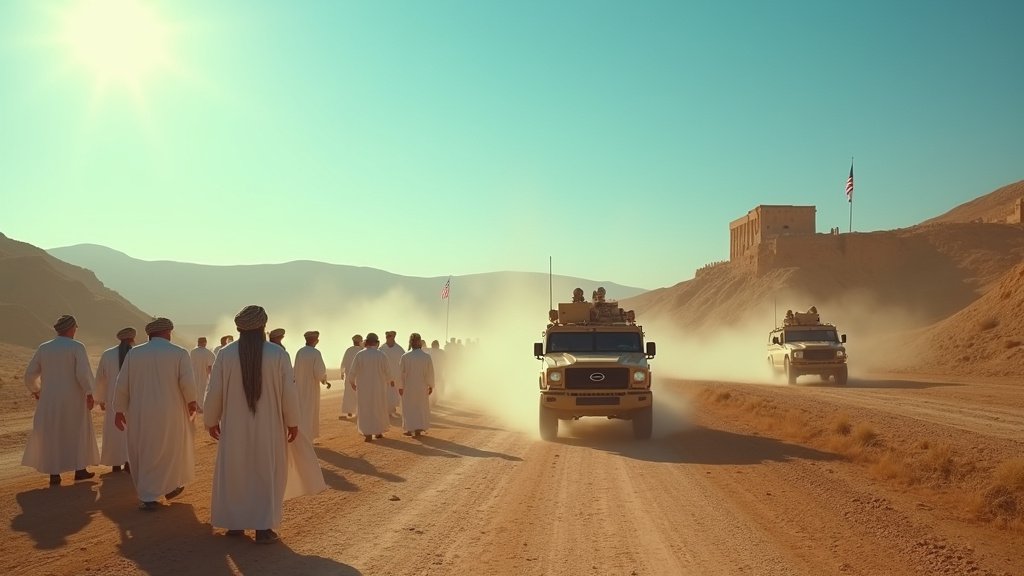


The prospect of a war with Iran carries immense implications, not only for the immediate region but also for global security and the international economy. A conflict could destabilize oil markets, trigger widespread humanitarian crises, and potentially draw in other regional and global powers. The official’s concerns reportedly focused on the ‘domino effect’ such a conflict could unleash, including increased terrorist activity, mass displacement of populations, and a protracted period of intense regional instability. The counterterrorism perspective inherently views escalation with extreme caution, as it often creates new breeding grounds for extremist ideologies and operations. The fear is that a military confrontation would directly undermine decades of counterterrorism efforts by creating a chaotic environment ripe for exploitation by groups like ISIS and Al-Qaeda.
Diplomatic Channels and the Importance of Intelligence
Critics of the current policy argue that diplomatic avenues are being sidelined in favor of military posturing. The departing official is believed to have championed a robust intelligence-gathering operation coupled with firm but flexible diplomatic engagement, a strategy often referred to as ‘strategic patience.’ This approach aims to monitor and contain threats without resorting to kinetic action, thereby preserving stability and avoiding the immense costs of war. The resignation could serve as a catalyst for a renewed debate within the administration and among policymakers about the efficacy of the current approach and the critical need to prioritize and resource diplomatic solutions. The role of accurate, unbiased intelligence in shaping policy decisions is paramount, and any perception that intelligence is being subordinated to political or military objectives is deeply concerning to those tasked with protecting national security.
Broader Implications for National Security
This resignation is more than just an individual’s decision to leave public service; it represents a potential symptom of a larger strategic debate within the U.S. national security establishment. When a counterterrorism expert feels compelled to resign due to fears of war, it suggests that the perceived threat landscape is shifting in a way that prioritizes geopolitical confrontation over the prevention of extremist violence. This could have long-term consequences for the nation’s security priorities, diverting resources and attention from ongoing counterterrorism efforts towards a potentially wider and more intractable conflict. The departure also raises questions about transparency and accountability within the national security decision-making process, particularly concerning highly sensitive foreign policy matters.
FAQ: People Also Ask
What are the primary concerns associated with a potential war with Iran?
A potential war with Iran raises significant concerns including regional destabilization, a global energy crisis due to potential disruption of oil supplies, increased humanitarian suffering, the risk of wider geopolitical conflict involving other nations, and a potential resurgence of extremist groups exploiting the chaos.
Why would a counterterrorism official resign over Iran policy?
A counterterrorism official might resign if they believe the current policy towards Iran, particularly its military or diplomatic posture, significantly increases the risk of conflict. Their expertise lies in preventing and mitigating terrorist threats, and a war would be seen as counterproductive, creating a far more dangerous environment for terrorism to flourish.
What is the difference between counterterrorism and traditional military strategy regarding Iran?
Counterterrorism focuses on identifying, disrupting, and mitigating threats from non-state actors and extremist groups. Traditional military strategy might involve direct confrontation with state military forces. An official focused on counterterrorism would likely view a state-level conflict with Iran as detrimental to their mission, as it could empower terrorist organizations and create widespread instability.
How does geopolitical tension with Iran affect global oil prices?
Geopolitical tensions, especially those involving the potential for conflict in the Middle East, directly impact global oil prices. Iran is a major oil producer, and any threat to its production or export capacity, or that of neighboring regions, can lead to sharp increases in oil prices due to supply disruption fears.
What does ‘irreconcilable differences’ mean in the context of a resignation?
‘Irreconcilable differences’ means that the individual’s fundamental beliefs, principles, or strategic outlook are so fundamentally opposed to the organization’s or administration’s direction or decisions that continuing to work together is no longer possible. It implies a deep-seated disagreement that cannot be resolved through compromise.