Rocky Mount Rally: Trump Highlights Economic Gains Amidst American Families Finances Squeeze

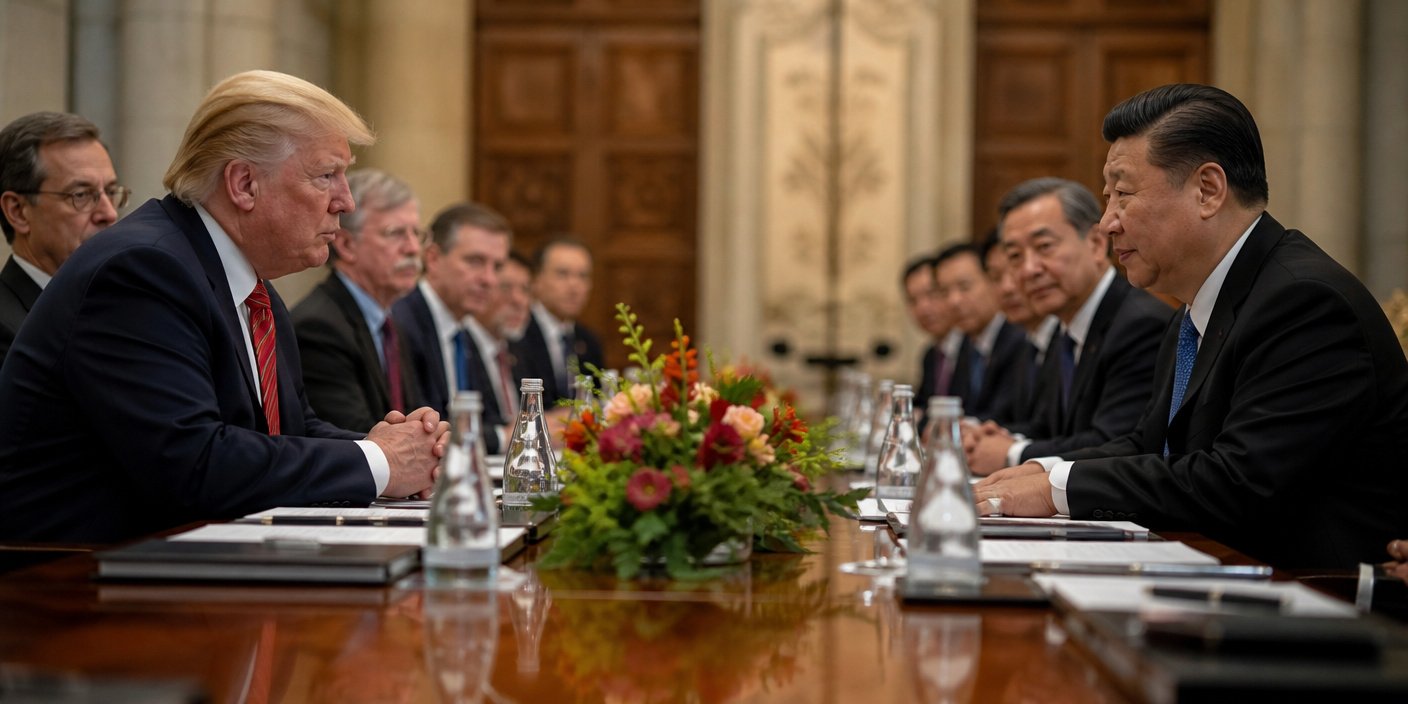
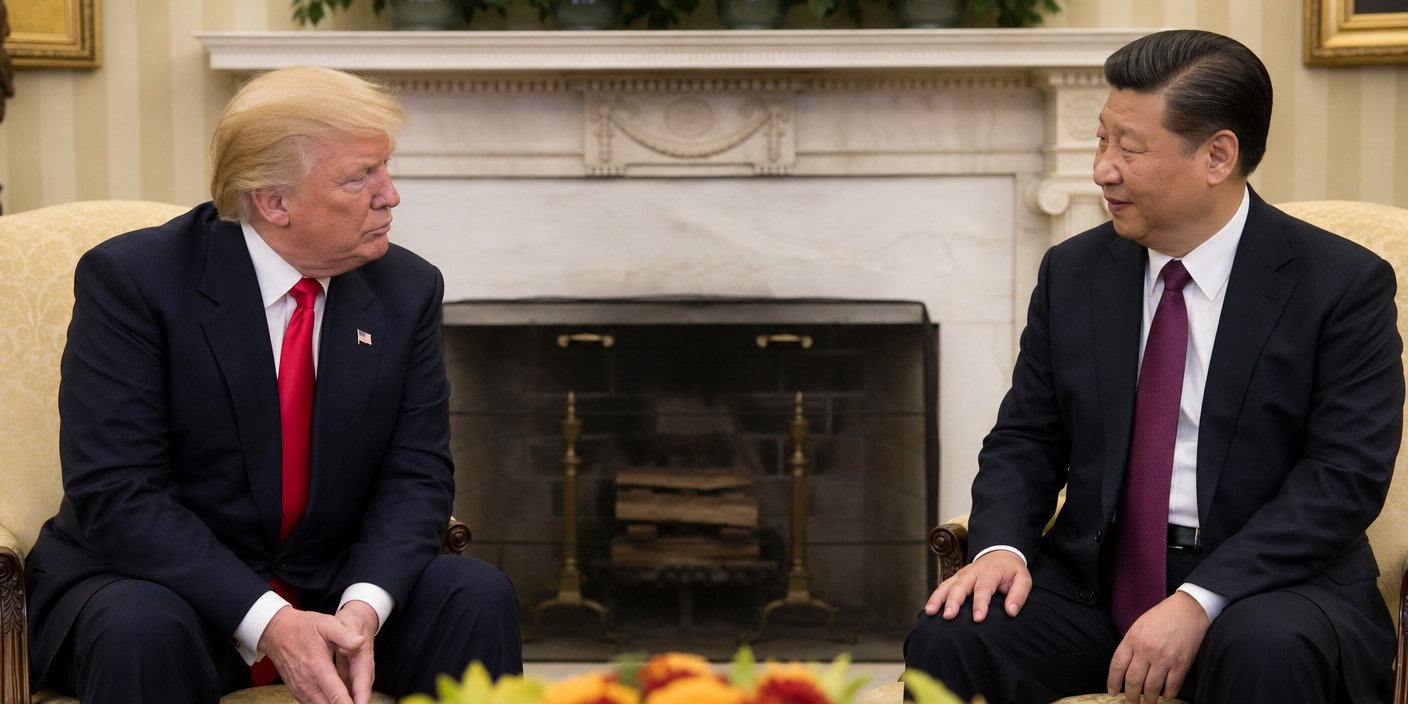
President Donald Trump visited Rocky Mount, North Carolina, speaking to supporters on December 19, 2025. His visit aimed to champion his economic policies, claiming credit for lowering costs. However, many local residents, and indeed many American families, reported feeling financial pressure, highlighting national economic debates and revealing differing views on American society. News of the event spread across the nation, underscoring the ongoing challenges in American Families Finances.
Trump Champions His Economic Policies
Trump spoke at a rally in Rocky Mount, his second visit to the state that month, seeking to reassure people about the economy. He claimed his actions had brought prices down, specifically mentioning tariffs. Trump argued tariffs would help North Carolina’s furniture industry, stating he inherited a “mess.” He insisted his administration got prices under control and pointed to lower gas prices in some areas. The president attributed current economic struggles to President Biden, suggesting a “warrior dividend” for troops was also a success. This economic message was central to his visit, part of his effort to address affordability concerns for American Families Finances. The rally took place in a politically significant district, where Republicans had recently redrawn its boundaries.
Residents Share a Different Reality of American Families Finances
Many North Carolina residents expressed a different experience, reporting they felt an economic squeeze. High prices for groceries, housing, and utilities were major concerns for American Families Finances. Daijah Bryant, a 26-year-old technician, shared her struggles, finding it “very, very hard” to pay bills, rent, and afford Christmas gifts. Bryant worked 22 days straight to save money for holiday shopping and felt uneasy about her purchases. Shiva Mrain, an engineer, felt his family’s situation was unchanged, though he did note lower gas prices. However, for many, the economic reality felt tight, a feeling mirroring national financial strains experienced by many American families. This reflects the complex state of American Families Finances.
The National Economic Picture and Its Impact on American Families Finances
North Carolina generally offers a more affordable cost of living than the national average. In 2020, average living costs were $38,295, well below the national $42,635. Housing and rent are often lower, yet food prices saw significant increases, rising over 11% between late 2021 and late 2022. Tariffs imposed by the Trump administration added to consumer costs, costing American consumers billions. One estimate suggested families paid nearly $1,200 in tariff costs. Tariffs also increased economic uncertainty. Job growth had stalled, manufacturing jobs saw losses, and the unemployment rate climbed to 4.6% in November 2025. These factors directly impact American Families Finances.
A Divide in Perception of American Families Finances
Public opinion showed a divide, with polls indicating dissatisfaction with Trump’s handling of the economy. Many Americans felt the cost of living was unaffordable; seven in 10 Americans expressed this concern, including a significant portion of Republicans and independents. Only 36% of Americans approved of Trump’s economic management, the lowest figure found in polls covering his terms. Some residents, like HVAC technician Ronnie Peede, supported Trump’s policies, believing tariffs had stabilized HVAC prices. Others, like Bryant, felt disillusioned, awaiting tangible improvements to their lives. The political culture often reflects these economic realities for American Families Finances.
Conclusion: Bridging the Gap in American Families Finances
The rally in Rocky Mount highlighted a key tension, pitting official economic claims against everyday American experiences. While President Trump highlighted policy successes, many residents faced significant financial pressures impacting American Families Finances. This dynamic underscores the complex challenges facing American society. The economic reality affects national culture and shapes individual lives profoundly. Residents continue to navigate rising costs and seek financial relief amidst varied economic news. Their daily struggles offer a stark contrast to broad economic pronouncements on American Families Finances.