Washington, D.C. – March 12, 2025, emerged as a pivotal day for U.S. foreign policy and domestic economic strategy, marked by significant developments spanning the conflict in Ukraine, escalating trade relations with Canada, and ongoing diplomatic efforts in the Middle East.
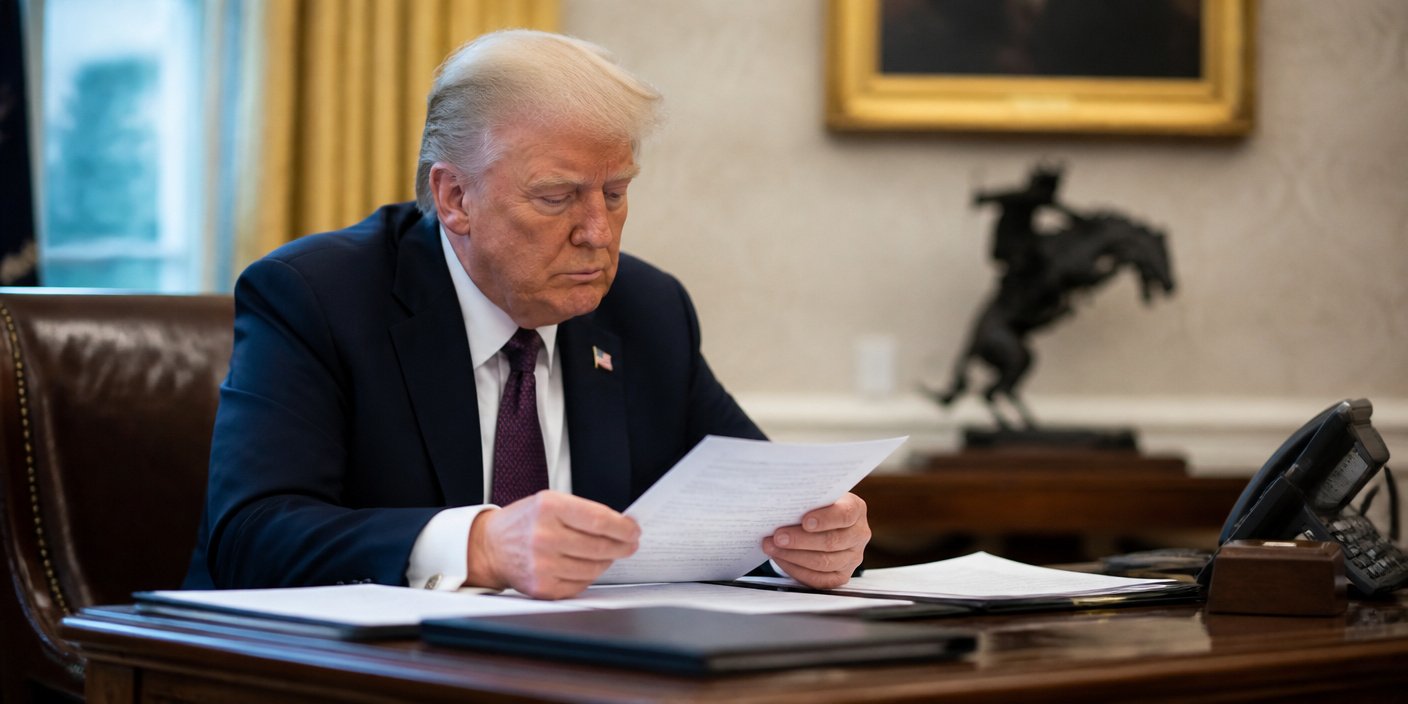
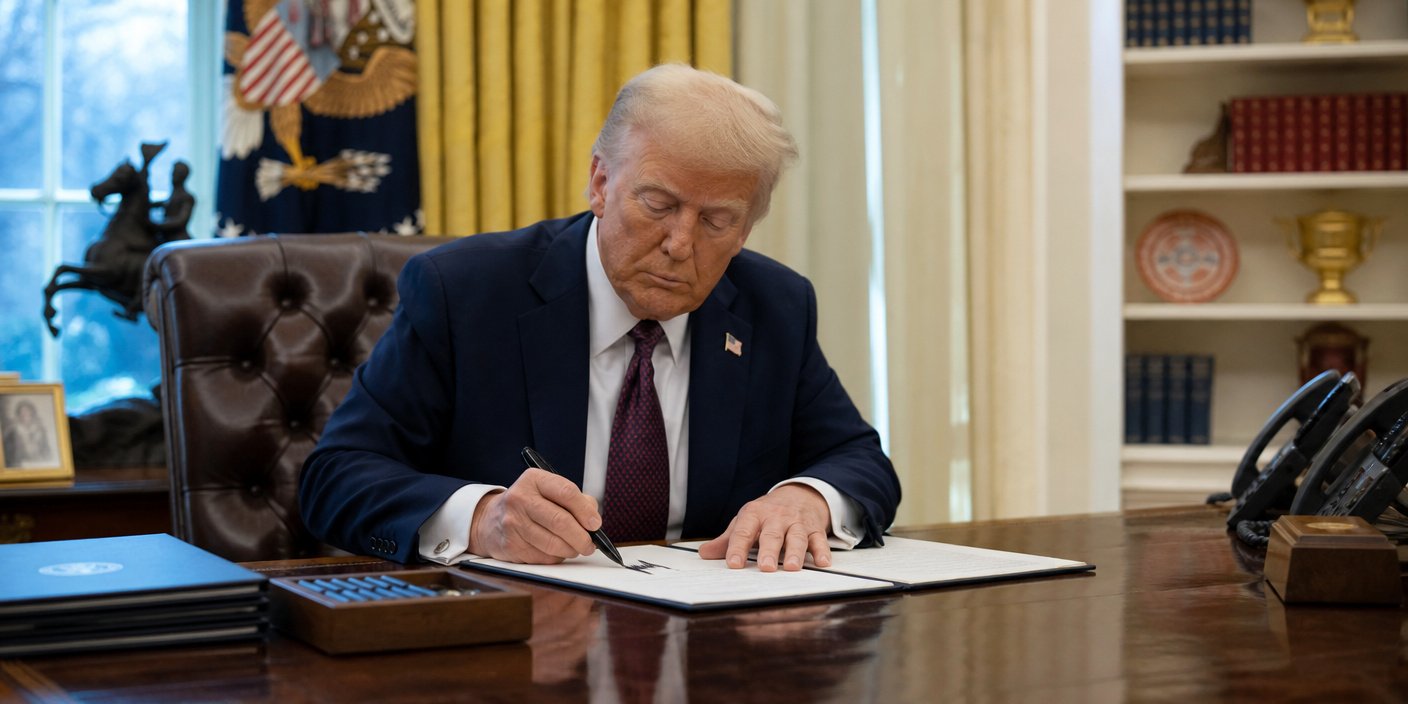
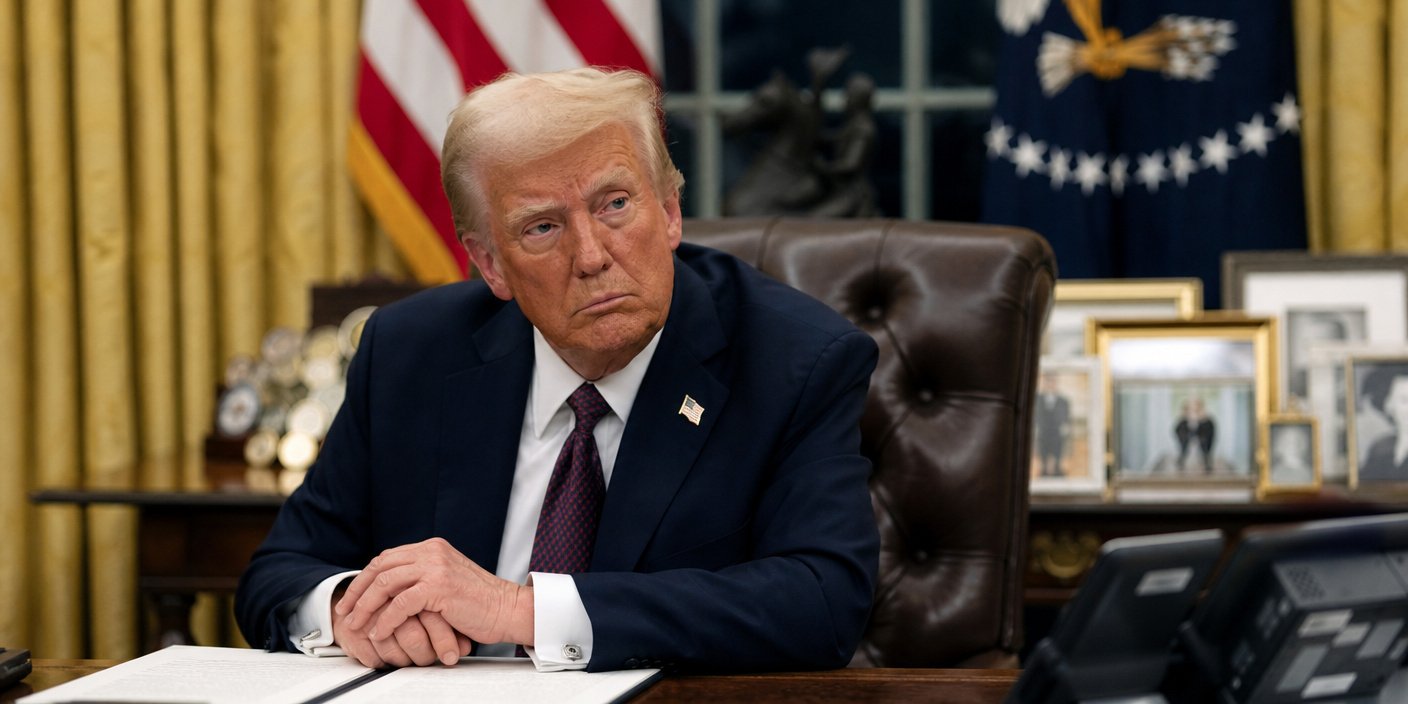
Central to the day’s events was President Donald Trump’s engagement with the multifaceted challenges facing the United States on the global stage, alongside impactful decisions affecting key trading partners.
Diplomatic Efforts on Ukraine Ceasefire and Support
In a notable diplomatic push, U.S. President Donald Trump expressed optimism regarding the prospects of a 30-day ceasefire plan for Ukraine. Speaking following talks with the United States, President Trump voiced hope that Russia would accept the proposed cessation of hostilities. The plan is understood to have the full support of Ukraine.



As a direct consequence of these diplomatic engagements and underscoring renewed U.S. commitment, the United States announced it would immediately lift its previously imposed pause on intelligence sharing with Ukraine. Furthermore, security assistance to Kyiv is set to resume without delay, signaling robust U.S. backing for Ukraine’s defense efforts.
Beyond immediate security concerns, the United States and Ukraine also agreed to advance economic cooperation. Officials from both nations reached an understanding to finalize an agreement aimed at developing Ukraine’s critical mineral resources. This initiative highlights the strategic importance of Ukraine’s natural wealth and collaborative efforts to enhance supply chain security and economic resilience.
Escalating Trade Tensions with Canada
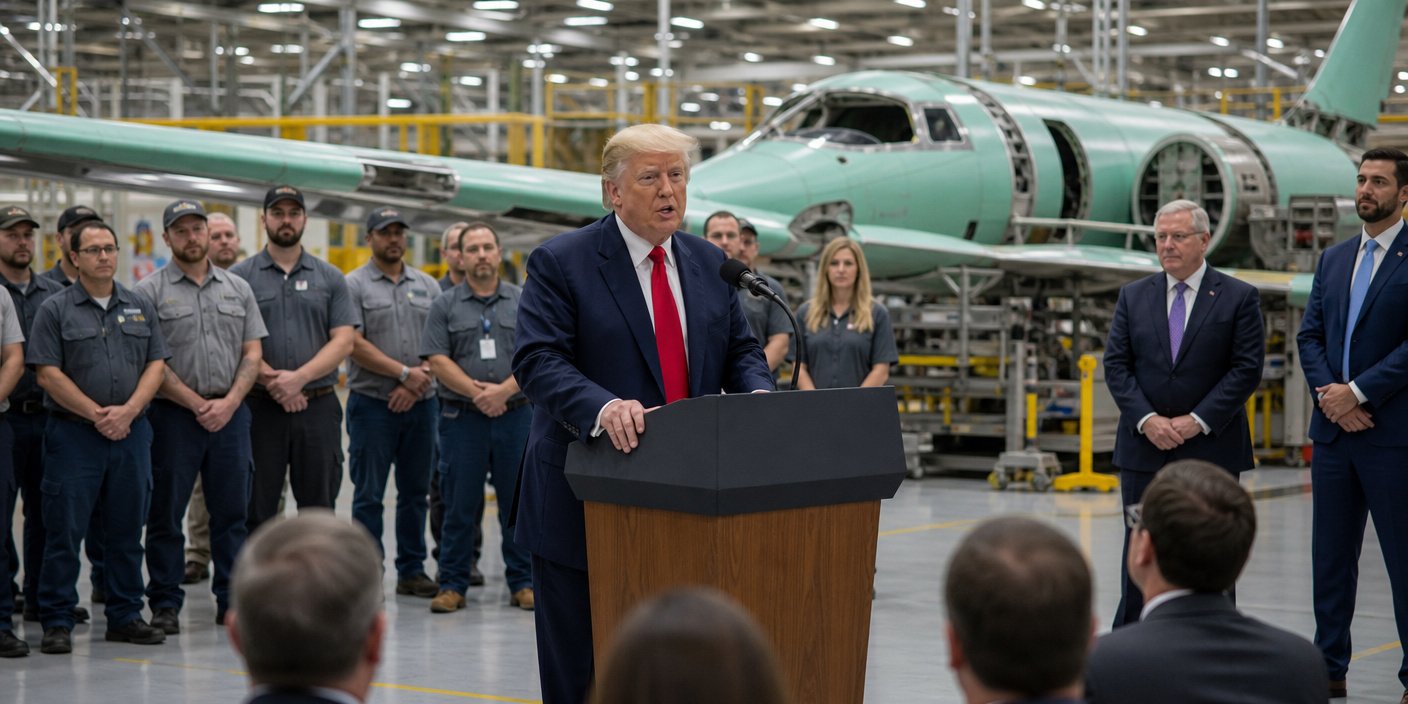
Domestically, President Trump announced a significant escalation in trade measures targeting Canada. In a move impacting a key economic relationship, the President declared a substantial increase in tariffs on Canadian steel and aluminum imports. The new policy imposes an additional 25% tariff, bringing the total tariff rate to a considerable 50%. These heightened tariffs are effective immediately, beginning March 12th.
The announcement was made by President Trump on his Truth Social platform. In his statement, he characterized Canada as “ONE OF THE HIGHEST TARIFFING NATIONS ANYWHERE IN THE WORLD,” asserting that the tariff increase was a necessary response to perceived trade imbalances. President Trump also issued a warning regarding a “National Emergency” he linked to electricity imports, though specific details on actions related to electricity were not immediately clarified.
The tariff decision drew swift reaction from Canada. In response to the U.S. action, Ontario Premier Doug Ford announced a temporary suspension of a 25% surcharge that had been applied to electricity supplied from Ontario to several U.S. states. The affected states receiving this electricity are New York, Minnesota, and Michigan. Premier Ford’s move is seen as a reciprocal step aimed at mitigating the impact of the U.S. tariffs.
Middle East Diplomacy Focuses on Hostages and Gaza Ceasefire
Concurrently with these developments, U.S. diplomatic efforts in the Middle East continued. U.S. Presidential Envoy for the Middle East Steve Witkoff was confirmed to be in Qatar for crucial talks. The discussions in Doha are centered on sensitive and complex issues, including ongoing negotiations for the release of Israeli hostages held in the Gaza Strip.
Ambassador Witkoff’s mission also involves talks concerning a proposed extension of the existing ceasefire deal between Hamas and Israel in the Gaza Strip. The proposal under discussion calls for a 60-day extension of the current temporary truce, aimed at facilitating further humanitarian aid, prisoner exchanges, and potentially paving the way for de-escalation in the protracted conflict.
March 12, 2025, underscores a period of intense activity across multiple fronts for the U.S. administration, balancing complex international diplomacy, strategic economic decisions, and critical regional negotiations.