Wall Street faced a sharp reversal today as a confluence of geopolitical instability and hawkish monetary policy sent major indices into a decline. The catalyst for the downturn was a significant escalation in Middle East tensions, following a Houthi missile attack on Saudi Arabian oil infrastructure that propelled crude oil prices to a volatile $107 per barrel. This abrupt energy shock has re-ignited fears regarding headline inflation, forcing investors to reassess risk premiums in an already fragile economic environment.
The Energy Shock: Supply Chain Vulnerability
The immediate market reaction was driven by the sudden spike in energy costs. Oil reaching $107 per barrel is not merely a number on a ticker; it acts as a tax on the global economy, increasing logistics, manufacturing, and transportation expenses across the board. The Houthi missile attack on Saudi facilities serves as a stark reminder of the fragile geopolitical underpinnings of the global oil supply chain. Investors are particularly concerned about the duration of this premium—if the conflict disrupts output for an extended period, the resulting inflationary pressure could force corporate margins to contract significantly in the coming quarter.
Energy sector volatility often creates a ‘contagion effect’ across other equities, particularly in sectors reliant on consumer discretionary spending. When fuel costs rise, the disposable income of the average household drops, potentially cooling demand for consumer goods. The market is now pricing in the reality that geopolitical ‘black swan’ events, once considered outliers, are becoming recurring variables in valuation models.
The Federal Reserve’s Tightening Dilemma
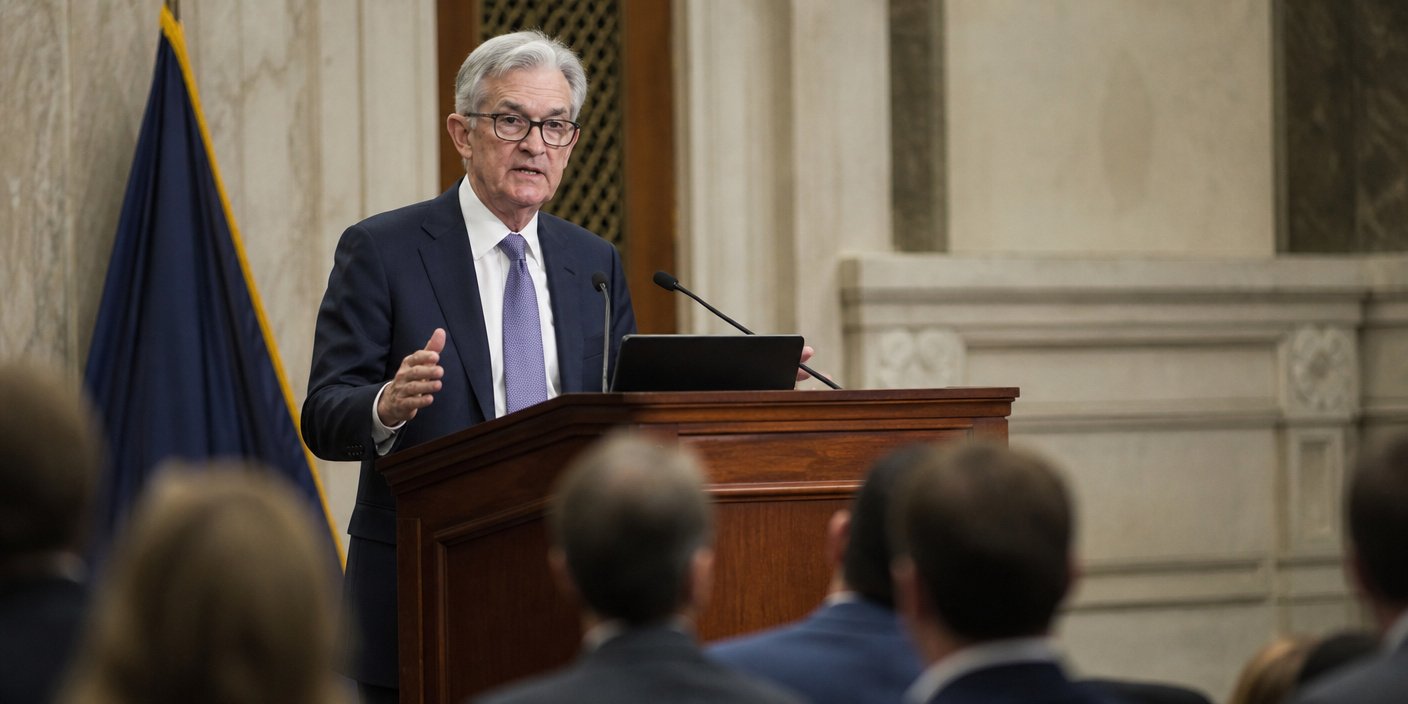
Compounding the energy-driven selloff is the increasingly hawkish rhetoric emanating from the Federal Reserve. New York Fed President John Williams has recently doubled down on the necessity of maintaining a restrictive monetary policy stance to combat persistent inflation. With the latest economic data showing resilience in certain sectors, the Fed is facing immense pressure to continue raising interest rates to curb demand.
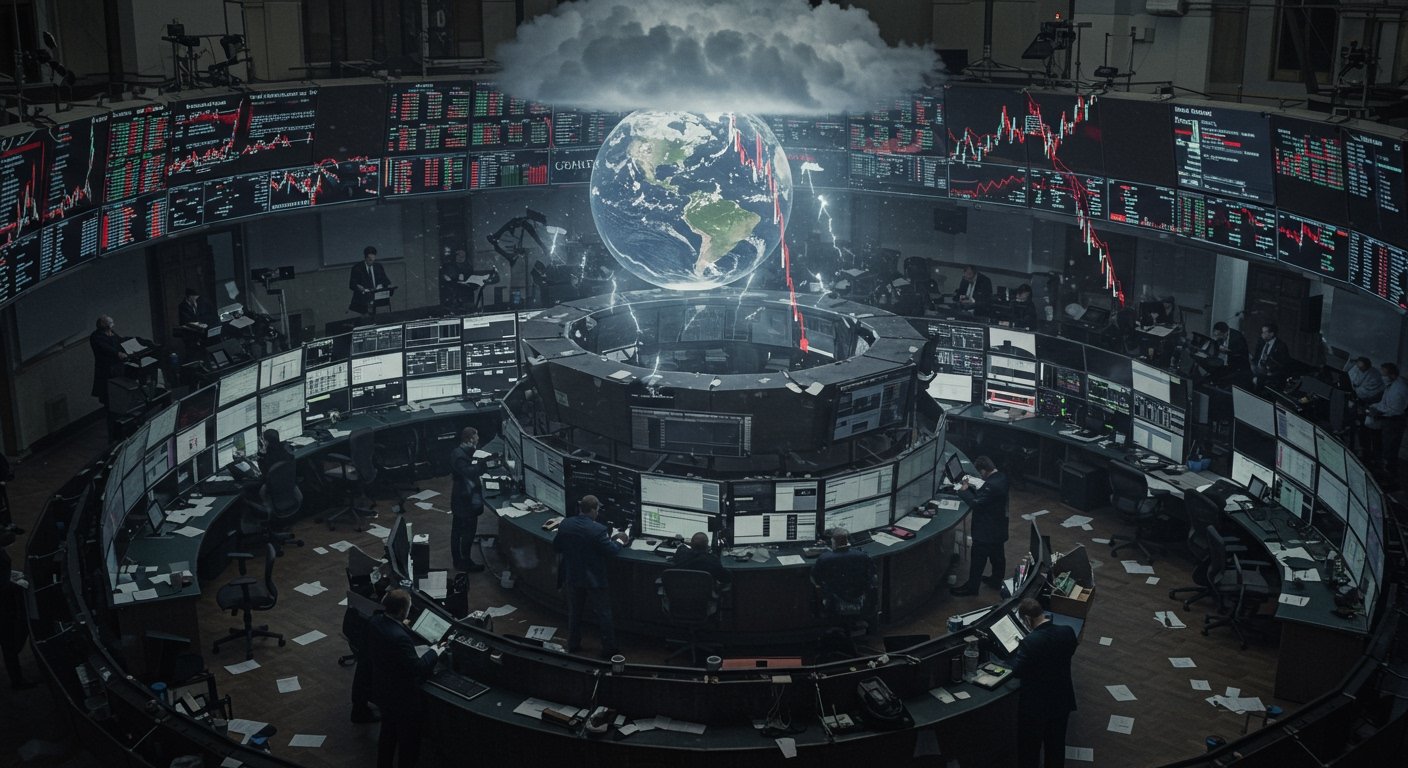



For Wall Street, this is a ‘double-whammy.’ Rising interest rates typically compress the multiples that investors are willing to pay for future earnings, particularly in high-growth technology sectors. When you combine this with the rising costs of inputs due to the $107 oil price, it creates a challenging environment for corporate earnings growth. The market is increasingly skeptical that a ‘soft landing’—where the economy cools without entering a recession—is achievable if energy prices remain elevated and borrowing costs continue to climb.
The Trump-Xi Summit: A Geopolitical Pivot
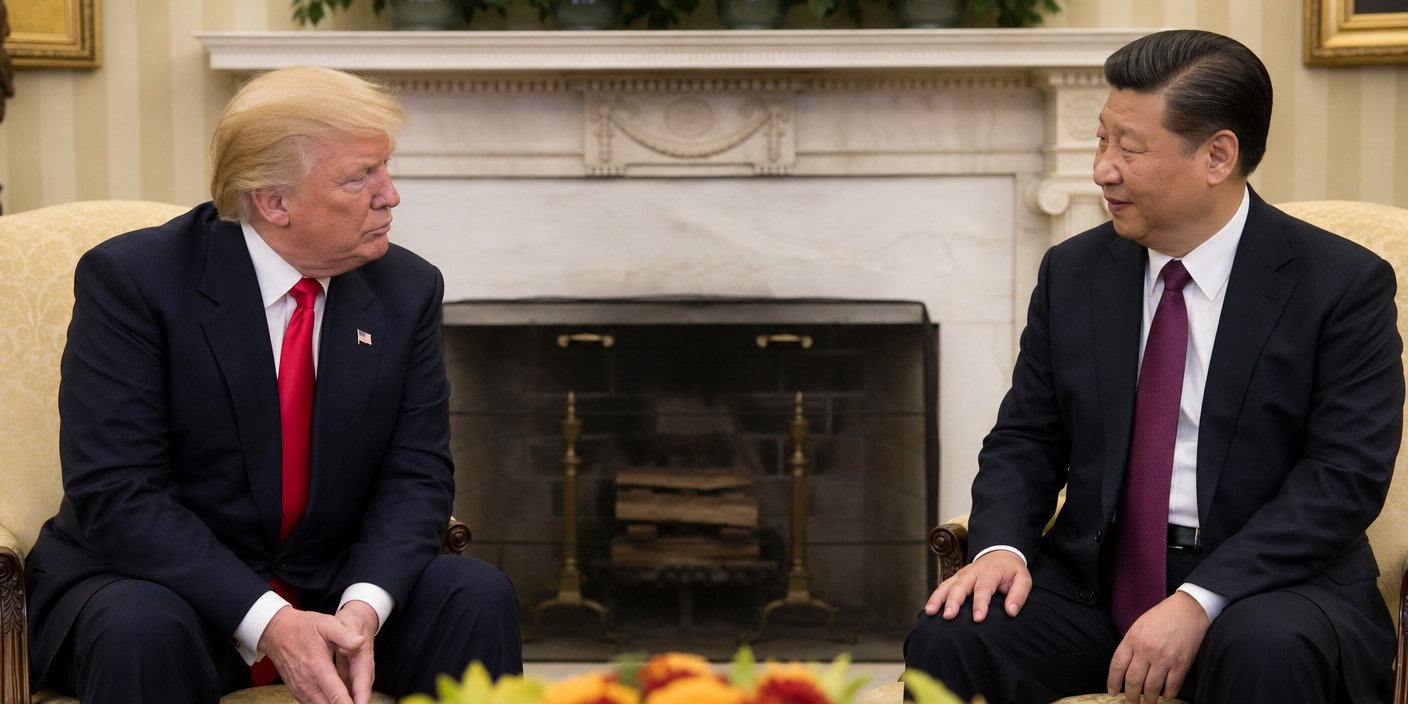
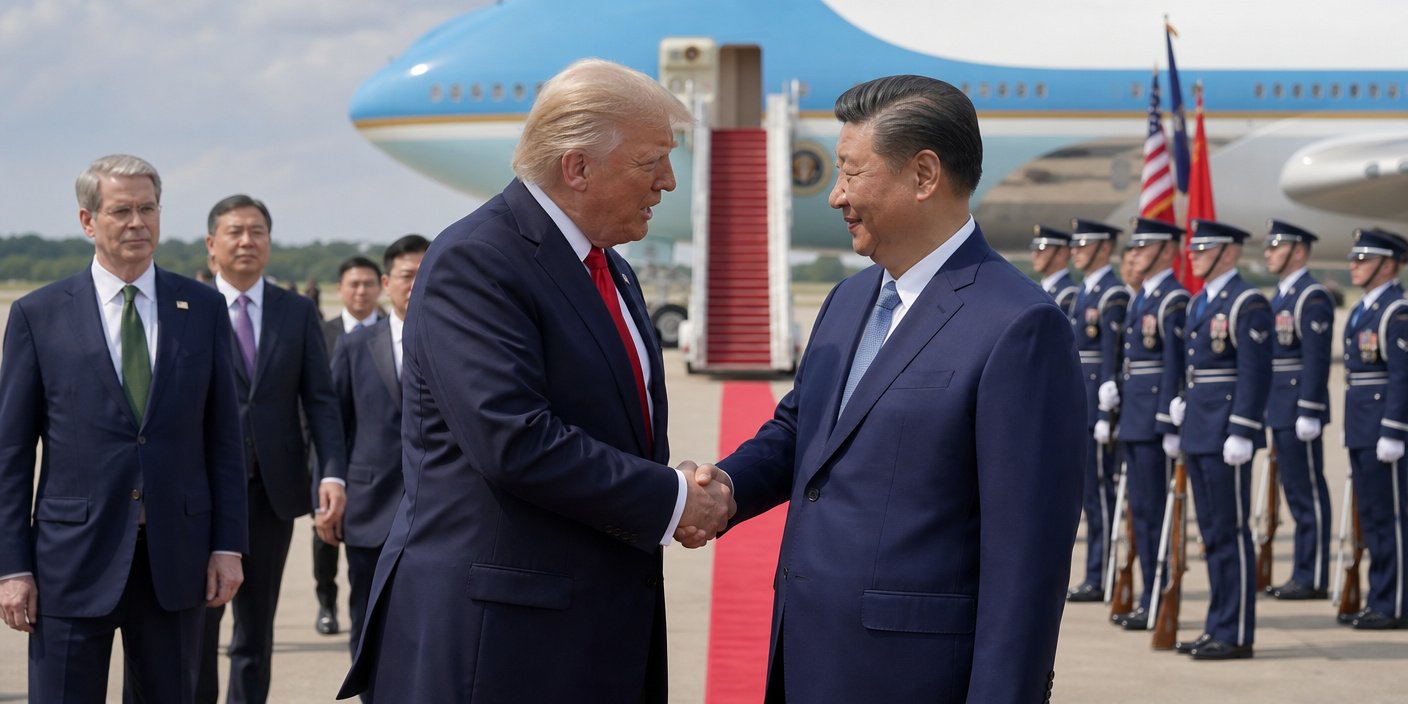
While markets focused on energy and interest rates, eyes were also fixed on the high-stakes summit between President Trump and Chinese President Xi Jinping. The summit, which touched on critical areas such as artificial intelligence (AI), international trade agreements, and regional security, provides a glimmer of potential stability in a fragmented global economy.
AI, in particular, has become the primary battleground for economic dominance. The discussions surrounding AI governance are critical for tech-heavy indices like the Nasdaq, as regulatory frameworks could either accelerate innovation or impose severe operational costs. Furthermore, any easing of trade tensions between the US and China could theoretically provide a tailwind for multinational corporations currently caught in the crossfire of geopolitical brinkmanship. Investors are parsing every statement from the summit for signals of a potential thaw in trade relations, which would be a welcome relief to a market currently reeling from uncertainty.
Market Sentiment and Flight to Quality
In periods of high geopolitical risk, investors often shift their portfolios toward ‘safe-haven’ assets. Treasury bond yields have seen upward pressure, reflecting the market’s demand for stability and the pricing in of higher future interest rates. The correlation between rising yields and falling equity prices is a classic signal of a nervous market, indicating that capital is fleeing from riskier assets into cash equivalents or government debt.
As we look ahead, the interplay between the price of oil, the trajectory of Federal Reserve policy, and the outcomes of international diplomatic summits will define market performance for the remainder of the quarter. Traders are advised to keep a close watch on volatility indices, as the convergence of these macroeconomic pressures suggests that the current dip may not be the end of the volatility, but rather a realignment of market expectations in a increasingly complex global reality.
FAQ: People Also Ask
Why does the Houthi attack on Saudi Arabia impact the US stock market?
Oil is a global commodity; when supply infrastructure is threatened, the price of crude rises globally. Higher oil prices increase operational costs for airlines, transport companies, and manufacturers, which erodes corporate profits. Because the US market is deeply integrated into global supply chains, an increase in oil prices is quickly reflected in equity valuations.
How does John Williams’ commentary influence interest rate expectations?
As the President of the New York Fed, John Williams is a highly influential voice in monetary policy. When he signals that the Fed is under pressure to raise rates, the market reacts by pricing in more aggressive hikes, which typically causes stocks to fall as the cost of borrowing becomes more expensive for businesses and consumers.
What does the Trump-Xi summit mean for AI and Tech stocks?
AI is currently a dominant driver of market valuation. Any trade or regulatory decisions coming out of a summit between the US and China regarding AI can drastically shift the competitive landscape for tech giants. Investors are watching for any news that might restrict or open access to critical technology markets or AI-related supply chains.