The International Monetary Fund (IMF) has issued an urgent, high-stakes warning to the global economy: public debt is expanding at an unsustainable velocity. According to the organization’s October 2024 Fiscal Monitor, global public debt is now on a trajectory to surpass 100% of the world’s total economic output by 2029. This forecast represents a significant acceleration in the accumulation of sovereign liabilities, arriving two years earlier than the IMF’s previous projections. As nations grapple with the lingering aftermath of pandemic-era spending, aging populations, and geopolitical fragmentation, the IMF underscores that the window for meaningful fiscal consolidation is rapidly closing, leaving major economies vulnerable to market shocks.
Key Highlights
- The 100% Threshold: Global public debt is projected to hit 100% of GDP by 2029, a milestone reached two years ahead of earlier estimates.
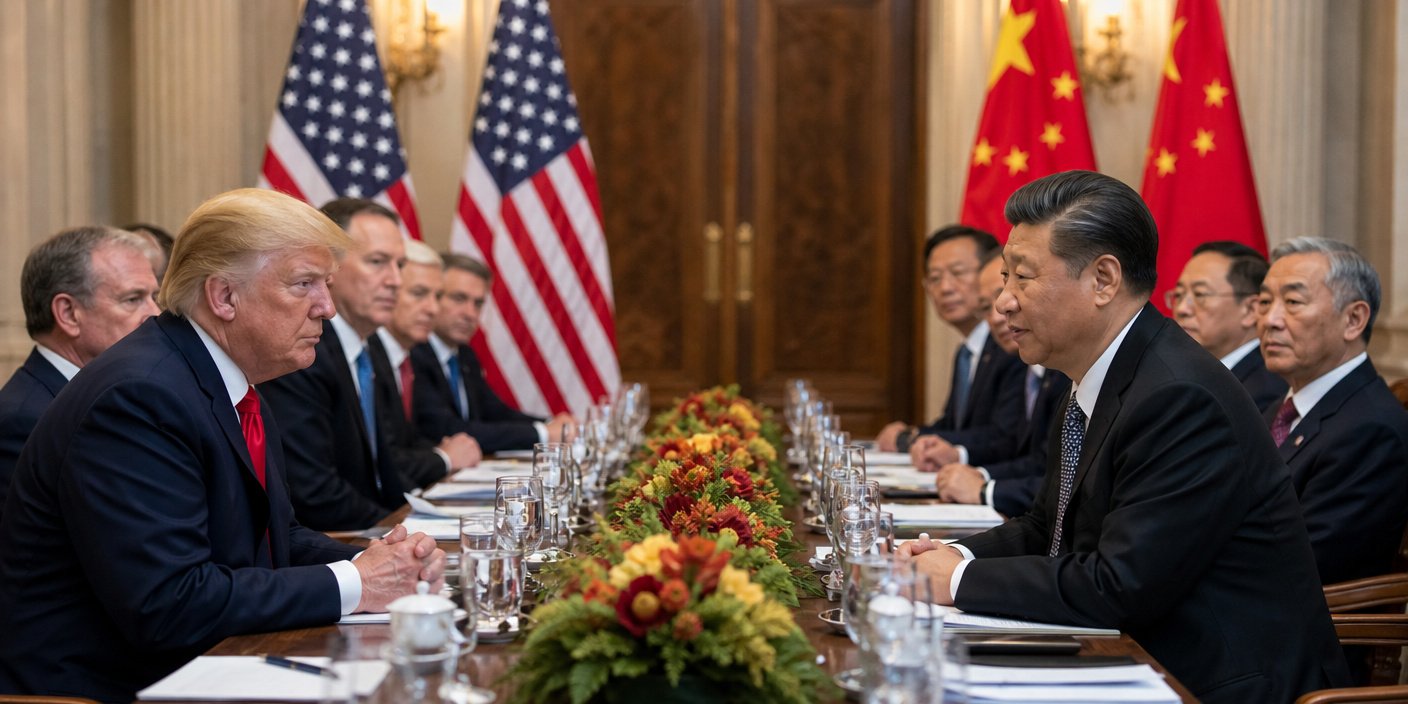
- Primary Drivers: The rapid expansion of debt is largely attributed to structural deficits in the world’s two largest economies: the United States and China.
- The Fiscal Warning: IMF Director of Fiscal Affairs, Vítor Gaspar, emphasized that countries must pursue “fiscal consolidation” or risk severe market volatility and constrained economic growth.
- Structural Headwinds: Beyond immediate deficits, long-term debt pressures are being exacerbated by high interest rates, demographic shifts, and the high cost of the green energy transition.
The Economic Precipice: Analyzing the Debt Acceleration
The IMF’s assessment serves as a blunt instrument of reality for policymakers worldwide. For years, the global economy has operated under the assumption that low interest rates would allow for indefinite fiscal expansion. However, as the world pivots to a “higher for longer” interest rate environment, the cost of servicing this mountainous debt has become the single most significant constraint on government budgets. The Fiscal Monitor highlights that while global growth remains resilient, it is not robust enough to outpace the surge in sovereign borrowing.
The US and China: The Twin Engines of Debt
Central to the IMF’s warning are the United States and China, which collectively account for a massive share of the projected global debt increase. In the United States, an aging population, rising healthcare costs, and a structural primary deficit are pushing the federal debt-to-GDP ratio toward historic highs. The political reality in Washington—characterized by deep polarization and an inability to agree on long-term entitlement reform—means that fiscal policy remains skewed toward expansion.
Similarly, China’s economic landscape has shifted. Once the engine of global growth, China is currently managing a significant slowdown driven by a property sector crisis and shifting demographic trends. Local governments in China have relied heavily on debt-funded investment, and the central government is now facing the difficult task of reining in this leverage without triggering a deeper contraction. The IMF notes that for both nations, the lack of a clear, medium-term fiscal adjustment plan is generating uncertainty that ripples through international bond markets.
Why 2029 is the New Red Line


The acceleration of this timeline—reaching the 100% ratio two years sooner than anticipated—suggests that economic models may have underestimated the “scarring” effects of the last five years. The pandemic required unprecedented fiscal intervention, but the failure to unwind those measures as economies recovered has left public balance sheets hollowed out. By 2029, the global economy will face a cumulative “fiscal drag” that could suppress investment in R&D, infrastructure, and climate mitigation. The IMF suggests that the risk is not just a sovereign default in emerging markets, but a systemic loss of confidence in the reserve-currency status of major economies if fiscal trajectories are not corrected.
Navigating the Geopolitical and Demographic Landscape
Beyond the raw numbers, the IMF report highlights two critical “structural headwinds” that complicate any attempt at fiscal discipline. First, demographic decline: as the ratio of retirees to working-age citizens grows in advanced economies, tax revenues will fall while social spending on pensions and healthcare rises. This dynamic is a mathematical inevitability that governments are currently failing to offset.
Second, the geopolitics of trade fragmentation is forcing nations to increase spending on defense and supply-chain resilience. The era of “efficiency over security” is over. In its place, the “security-first” economic model requires increased public investment in domestic manufacturing and strategic reserves, further straining already precarious national budgets. These pressures are not transitory; they are the new reality of the 2020s and beyond.
The Path Forward: Fiscal Consolidation
What is the IMF’s solution? Vítor Gaspar and the Fiscal Monitor team advocate for “fiscal consolidation”—a delicate balancing act of reducing deficits while maintaining social stability. This does not merely mean tax hikes or austerity. It requires a more sophisticated approach: broadening the tax base, reforming entitlement programs, and improving the efficiency of public spending. The IMF warns that the longer governments wait to implement these reforms, the more painful the necessary adjustments will be. If market sentiment turns, the cost of borrowing could spike, forcing governments into a “hard landing” where they are forced to slash spending during a downturn, effectively worsening the economic pain.
FAQ: People Also Ask
1. What does the IMF’s “100% of GDP” warning actually mean for the average person?
It means that the total amount of money owed by governments globally is equal to or greater than the value of all the goods and services the entire world produces in a single year. When debt levels are this high, governments have less “fiscal space” to respond to future crises (like pandemics, wars, or natural disasters) and must spend more tax revenue just to pay interest, rather than investing in roads, schools, or healthcare.
2. Why are the United States and China specifically called out by the IMF?
They are the two largest economies in the world. Their debt trajectories are so massive that they influence global interest rates and market stability. If the US or China struggles with debt, it increases the “risk premium” on borrowing for all other nations, effectively tightening global financial conditions.
3. Is there a way for countries to grow out of this debt?
Growth is part of the solution, but it is not a silver bullet. The IMF analysis suggests that current growth rates are insufficient to outpace the rate at which governments are accumulating debt. Without active fiscal consolidation—meaning structural changes to tax and spending policies—growth alone cannot solve the debt crisis.
4. Are we headed for a global financial crash?
Not necessarily. The IMF is issuing a warning to prevent a crash, not predicting one as an inevitability. By highlighting the issue now, they are encouraging policymakers to implement gradual adjustments. The danger lies in inaction, which could lead to market-driven “sudden stops” in financing if investors lose confidence in a nation’s ability to pay back its loans.