In a decisive move that marks a definitive shift in monetary policy, the Federal Open Market Committee (FOMC) has voted unanimously to raise interest rates by 25 basis points, establishing a new federal funds rate target range of 3.75% to 4.00%. This historic decision ends a three-year era of historically low-interest rates, signaling a robust—and perhaps aggressive—attempt by the Federal Reserve to curtail persistent inflationary pressures that have rippled through the global economy.
The Anatomy of the Hike
For nearly three years, the Federal Reserve maintained a stance of accommodation, utilizing low interest rates to stimulate investment and consumption during periods of economic uncertainty. However, the current economic climate necessitated a pivot. The FOMC’s decision to lift the target range to 3.75%-4.00% represents a calculated strike against the twin demons of soaring consumer prices and geopolitical instability.
Central to the narrative behind this hike are the energy shocks stemming from the ongoing conflict in the Middle East. Energy prices, which serve as a foundational cost for nearly every sector of the economy, have faced extreme volatility. When energy costs spike, transportation, manufacturing, and heating costs follow suit, creating a cascade of ‘cost-push’ inflation that is notoriously difficult for central banks to manage using rate hikes alone. By tightening liquidity, the Fed is attempting to dampen aggregate demand, thereby forcing prices to stabilize, even as the global supply chain remains vulnerable to geopolitical theater.
The Transmission Mechanism: How Rates Affect You
The Federal Reserve does not set mortgage or credit card rates directly; instead, it sets the ‘Fed Funds Rate’—the rate at which banks lend to one another overnight. However, this rate acts as the baseline for the entire financial ecosystem. As this floor rises to 4.00%, lenders inevitably pass these costs onto consumers and businesses.
For the average consumer, this means the era of ‘cheap money’ is effectively over. Variable-rate products, such as Home Equity Lines of Credit (HELOCs) and many forms of credit card debt, will see immediate upward adjustments. Prospective homebuyers will likely find that borrowing costs continue to climb, tightening the lending standards and potentially cooling a housing market that has already shown signs of fatigue.


For corporate borrowers, the impact is equally profound. Companies that rely on short-term debt to fund operations or expansion will face higher interest expenses, which may erode profit margins. This creates a challenging environment for equity markets, as companies must navigate higher capital costs at a time when consumer spending power is being eroded by inflation.
The Geopolitical Inflationary Trap
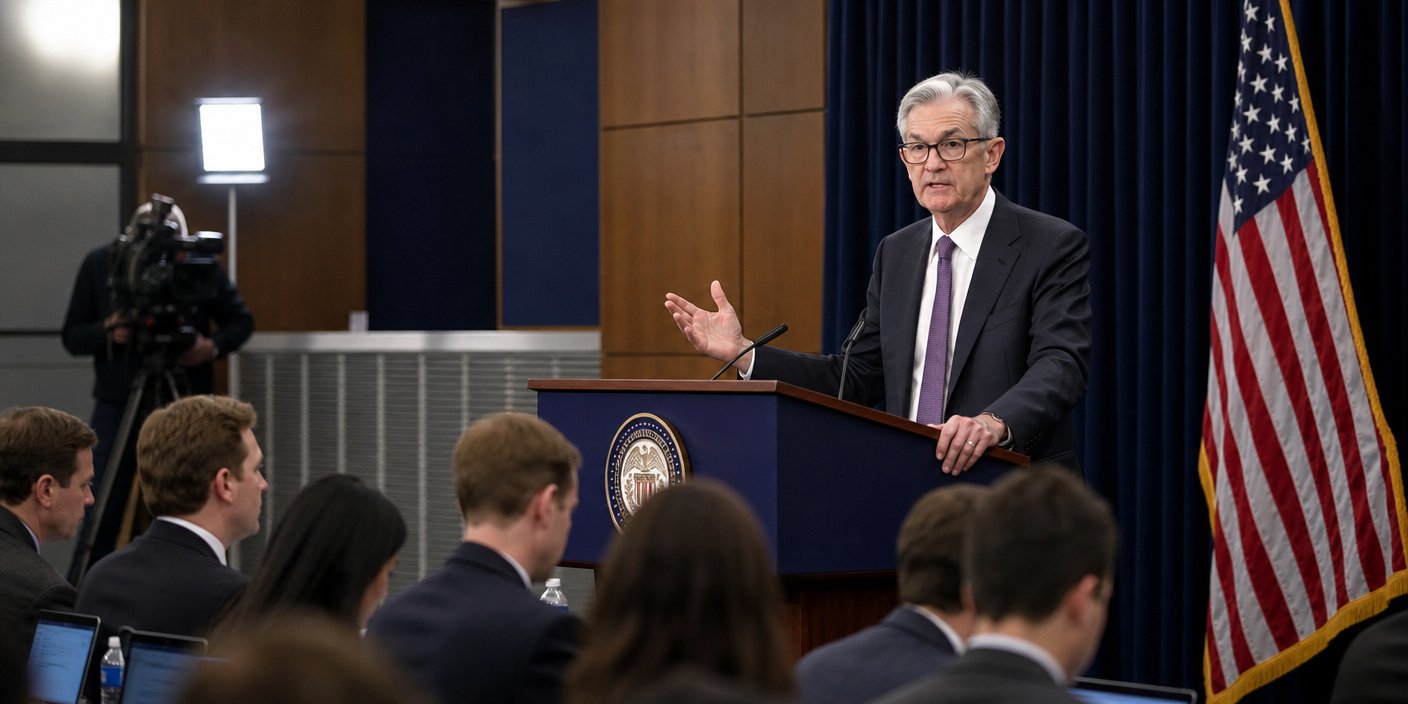
Unlike demand-pull inflation, which occurs when too much money chases too few goods, the current inflationary episode is heavily influenced by supply-side constraints. The Middle East conflict has introduced a level of ‘risk premium’ into global energy markets, keeping prices elevated despite economic efforts to tame them. The FOMC, led by Chairman Jerome Powell, faces the delicate task of ‘threading the needle.’ They must raise rates enough to kill inflation expectations before they become embedded in the psychological fabric of the economy, without tightening so aggressively that they trigger a recession.
The unanimous nature of the vote suggests that the Federal Reserve governors are largely in lockstep regarding the urgency of the situation. There is little appetite for a dovish pivot when the Consumer Price Index (CPI) remains stubbornly detached from the Fed’s long-term 2% target. This consensus reinforces the signal that market participants should prepare for a ‘higher for longer’ interest rate environment.
Future Projections and Market Sentiment
Looking ahead, the language from the FOMC suggests this is not a one-off adjustment but rather a continuation of a tightening cycle. Policymakers have emphasized that data will drive future decisions, yet the bias remains toward restriction. Financial markets have begun to price in this reality, shifting away from speculative assets toward value-oriented investments and cash equivalents. The primary focus for investors now is the ‘terminal rate’—the point at which the Fed will pause its hiking cycle. Until that terminal rate becomes clearer, market volatility is expected to remain a permanent fixture of the financial landscape.
The central bank is signaling to the market that it is willing to accept slower growth and higher unemployment as the trade-off for returning price stability. This is the classic recessionary trade-off that defined the inflationary eras of the past, and it is a reality that businesses and individuals must now confront directly.
FAQ: People Also Ask
Q: What does a 25 basis point increase mean in simple terms?
A: A basis point is one-hundredth of a percentage point. A 25 basis point increase means the interest rate has risen by 0.25%. While this may sound small, it increases the cost of borrowing across the entire economy, affecting everything from credit cards to auto loans and corporate debt.
Q: Why is the Federal Reserve concerned about Middle East conflicts?
A: Geopolitical conflict in the Middle East often disrupts global energy supplies, specifically oil and natural gas. Because energy is an input for almost all goods and services, higher energy costs lead to higher prices for consumers, which contributes significantly to inflation.
Q: Does this mean mortgage rates will definitely go up?
A: Yes, generally. While the Fed does not set mortgage rates directly, mortgage lenders look at the yield on U.S. Treasury bonds, which typically rise in response to Fed rate hikes. Consequently, home loans usually become more expensive for borrowers.
Q: When will the Fed stop raising rates?
A: The Federal Reserve has not committed to a specific end date. They have indicated that future decisions will be data-dependent, focusing heavily on inflation reports and employment statistics. The goal is to reach a ‘neutral’ or ‘restrictive’ rate that brings inflation back down toward their 2% target.