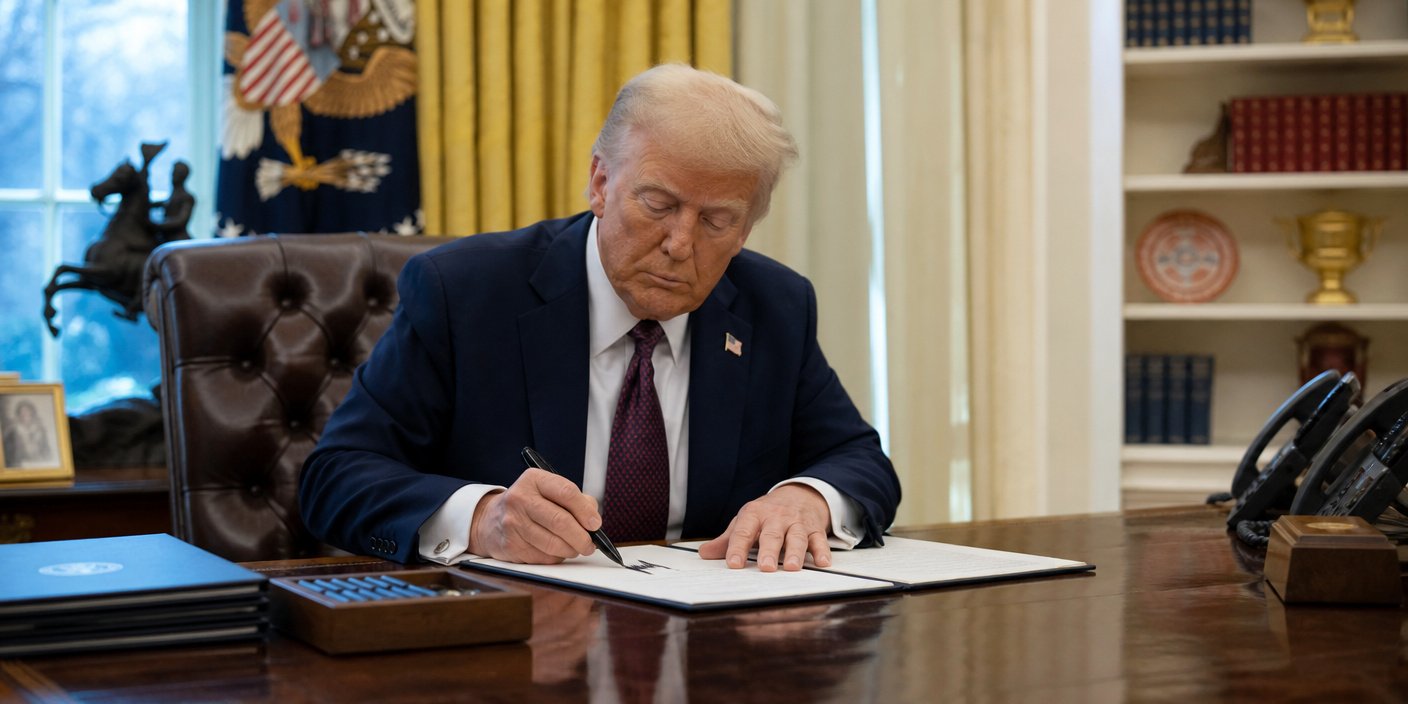
New Mexico Commissioner of Public Lands Stephanie Garcia Richard has effectively halted the expansion of the uranium mining industry on state-owned territories by issuing a landmark executive order. This policy mandate places a prohibition on new uranium mining leases across approximately 13 million acres of state trust land, a move designed to shield vulnerable ecosystems and Tribal nations from the environmental and public health risks historically associated with uranium extraction. The decision marks a significant pivot in how the New Mexico State Land Office manages natural resources, prioritizing long-term stewardship over the short-term economic gains of extractive industries.
Key Highlights
- Executive Action: Commissioner Stephanie Garcia Richard signed an executive order prohibiting the issuance of new uranium mining leases on state trust lands.
- Scope of Impact: The policy covers over 13 million acres, representing a vast portion of state-managed geography.
- Tribal Sovereignty: The initiative is framed as a critical protection for Tribal Nations, who have historically disproportionately borne the brunt of radiation-related health issues caused by legacy uranium mining.
- Shift in Strategy: The move signals a transition in State Land Office policy, moving away from legacy extractive models toward sustainable resource management.
The Shift in New Mexico’s Resource Governance
The executive order issued by Commissioner Stephanie Garcia Richard is not merely a bureaucratic adjustment; it is a profound philosophical shift in the management of New Mexico’s state trust lands. For decades, the extraction of minerals, oil, and gas from these lands has been a cornerstone of revenue generation for the state, often benefiting public education and institutions. However, the legacy of uranium mining in New Mexico—dating back to the Cold War era—has left behind a grim catalog of health crises, including respiratory illnesses and cancers linked to radiation exposure in communities located near abandoned mine sites.
By declaring a ban on new leases, the Commissioner is prioritizing the “polluter pays” principle and acknowledging that the externalized costs of uranium mining, such as groundwater contamination and soil toxicity, far outweigh the royalty checks generated for the state treasury. This decision effectively draws a line in the sand, suggesting that New Mexico will no longer facilitate an industry that has, historically, failed to adequately remediate its environmental footprint.
Historical Context: The Shadow of the Cold War




To understand the gravity of this executive order, one must examine the traumatic history of uranium mining in the American Southwest. During the 1940s through the 1980s, New Mexico was a hub for uranium production, fueling nuclear weapons development and early atomic energy programs. This period, often referred to as the ‘uranium boom,’ brought employment but left a catastrophic legacy for the Navajo Nation and other indigenous communities. Unregulated tailings, open-pit mines, and radioactive waste were left unmonitored for decades. Many Tribal members working in these mines were exposed to high levels of radiation without proper protective equipment or knowledge of the dangers. The Commissioner’s move is a direct response to this ongoing generational trauma, ensuring that modern energy extraction does not repeat the mistakes of the 20th century.
The Legal and Economic Framework
The New Mexico State Land Office holds a fiduciary duty to generate revenue for the state’s beneficiaries, primarily public schools. Critics of the ban might argue that restricting leasing opportunities reduces potential revenue streams. However, the Office has countered this by emphasizing that the long-term cost of environmental remediation and the liability associated with uranium mining presents a financial risk that is inherently unsustainable. Furthermore, the ban applies specifically to ‘new’ leases, meaning active projects or existing contracts are not immediately impacted, providing a buffer for the market to adjust while preventing the further proliferation of hazardous sites.
This policy also navigates the complex web of jurisdiction. While state trust lands are vast, they often checkerboard with private, federal, and Tribal lands. By setting this precedent, the State Land Office is exerting its authority to influence the broader regional policy landscape, potentially pressuring federal agencies like the Bureau of Land Management (BLM) to adopt more stringent protective measures on adjacent federal properties.
Tribal Sovereignty and Water Security
Perhaps the most vital component of this executive order is the protection of water rights and sovereign land interests. Uranium mining is notoriously water-intensive and poses a severe risk of leaching radionuclides into local aquifers. For many Tribal communities in New Mexico, groundwater is not just a utility; it is a sacred resource essential for agriculture, livestock, and religious ceremonies. By halting the expansion of mining on state trust lands, the Commission is effectively creating a protective buffer zone around these communities, reinforcing their right to safe water and a habitable environment. This alignment between state policy and Tribal sovereignty marks a new chapter in state-tribal relations, moving toward a framework of mutual respect rather than resource exploitation.
FAQ: People Also Ask
Does this order impact existing uranium mines?
No. The executive order specifically targets new leases. Existing valid contracts and operations currently in compliance with state law are generally unaffected by the new restriction, ensuring stability for ongoing operations while preventing future expansion.
Why is this focused on State Trust Land specifically?
State trust lands are managed by the New Mexico State Land Office with a specific mandate to generate revenue for state institutions. Because these lands are under the direct control of the Commissioner of Public Lands, it provides the most direct and effective legal mechanism to enact a policy change without requiring legislative approval from the state congress.
How does this affect the nuclear energy sector?
While the ban prevents new uranium extraction on state lands, it does not ban nuclear energy production or possession. It specifically regulates the upstream mining process. The industry may look toward federal lands or private holdings, though this policy certainly signals a tightening regulatory environment that may influence investor confidence in the region’s uranium sector.
What is the legal standing of this executive order?
As the elected official overseeing the State Land Office, the Commissioner of Public Lands possesses the authority to establish policies regarding the leasing and management of these assets. This order acts as an administrative policy directive within the scope of the Commissioner’s statutory authority.