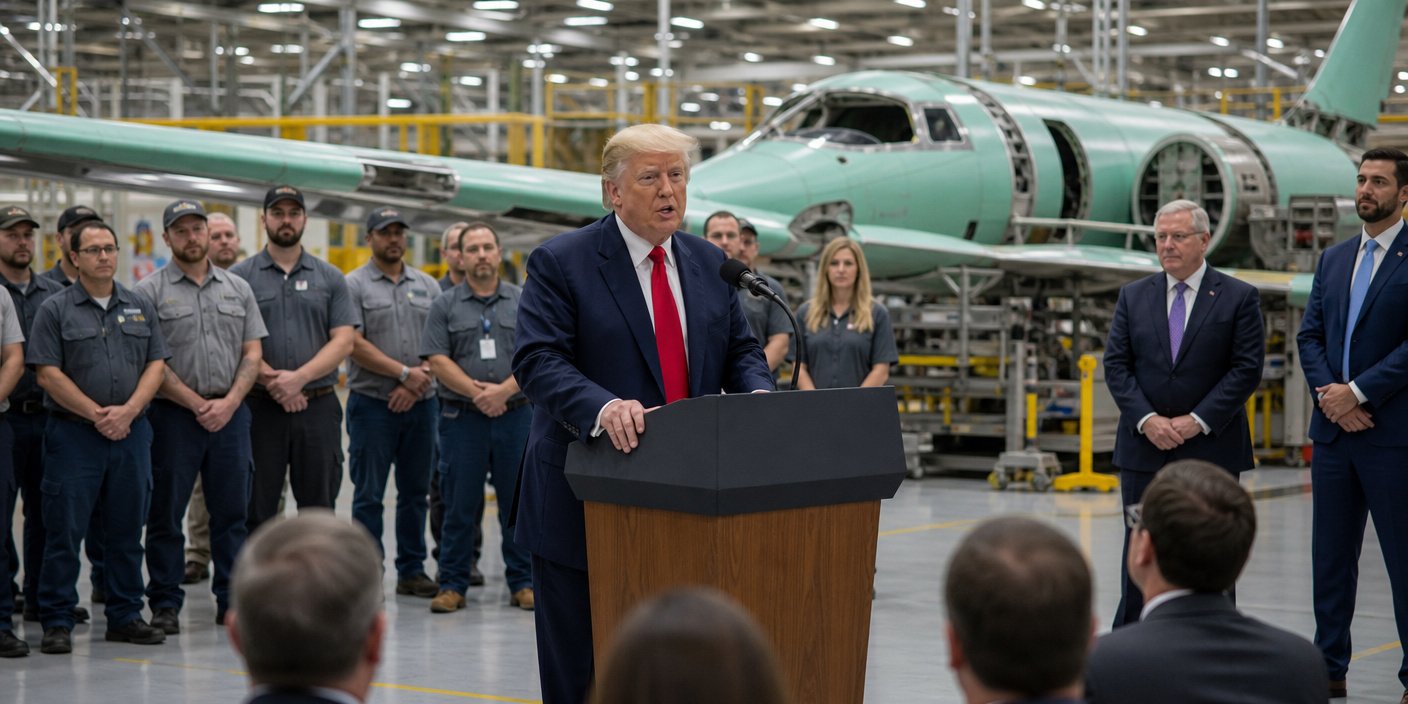
The Republican National Committee (RNC) has officially confirmed that Dallas, Texas, will serve as the host city for the highly anticipated 2026 Republican midterm convention. Scheduled for September 9-10, 2026, the event is set to be a cornerstone of the party’s electoral strategy, bringing thousands of delegates, media representatives, and political operatives to the heart of North Texas. This decision, while centered in a historically Democratic-leaning municipality, underscores a sophisticated shift in political strategy that values large-scale media market saturation and logistical efficiency above local political alignment. By securing a venue in Dallas, the GOP aims to leverage the city’s vast infrastructure to amplify its midterm platform across one of the most significant media markets in the United States.
Key Highlights
- Event Schedule: The 2026 Republican midterm convention is officially slated for September 9-10, 2026.
- Strategic Selection: Dallas was chosen over nearby Fort Worth specifically for its massive media market footprint and convention capacity, despite local partisan demographics.
- Media Saturation: The choice prioritizes visibility and broadcasting reach, essential for the RNC’s midterm messaging strategy.
- Economic Impact: The two-day event is expected to inject significant revenue into the Dallas hospitality and tourism sectors, cementing the city’s status as a top-tier convention hub.
The Strategic Logic Behind the Dallas Selection
The selection of Dallas for the 2026 GOP midterm convention is a calculated move that highlights the evolving nature of political event planning. While internal party discussions often weigh the political temperament of a host city, the RNC’s choice of Dallas over its neighbor, Fort Worth, illuminates a prioritization of practical utility. In the current political landscape, the ability to control the narrative via mass media exposure far outweighs the benefits of hosting an event in a more politically sympathetic jurisdiction. Dallas offers the Republican party a platform that is effectively ‘broadcast-ready,’ with world-class facilities and the necessary infrastructure to manage high-level international media demands.
Why Dallas Defeated Fort Worth

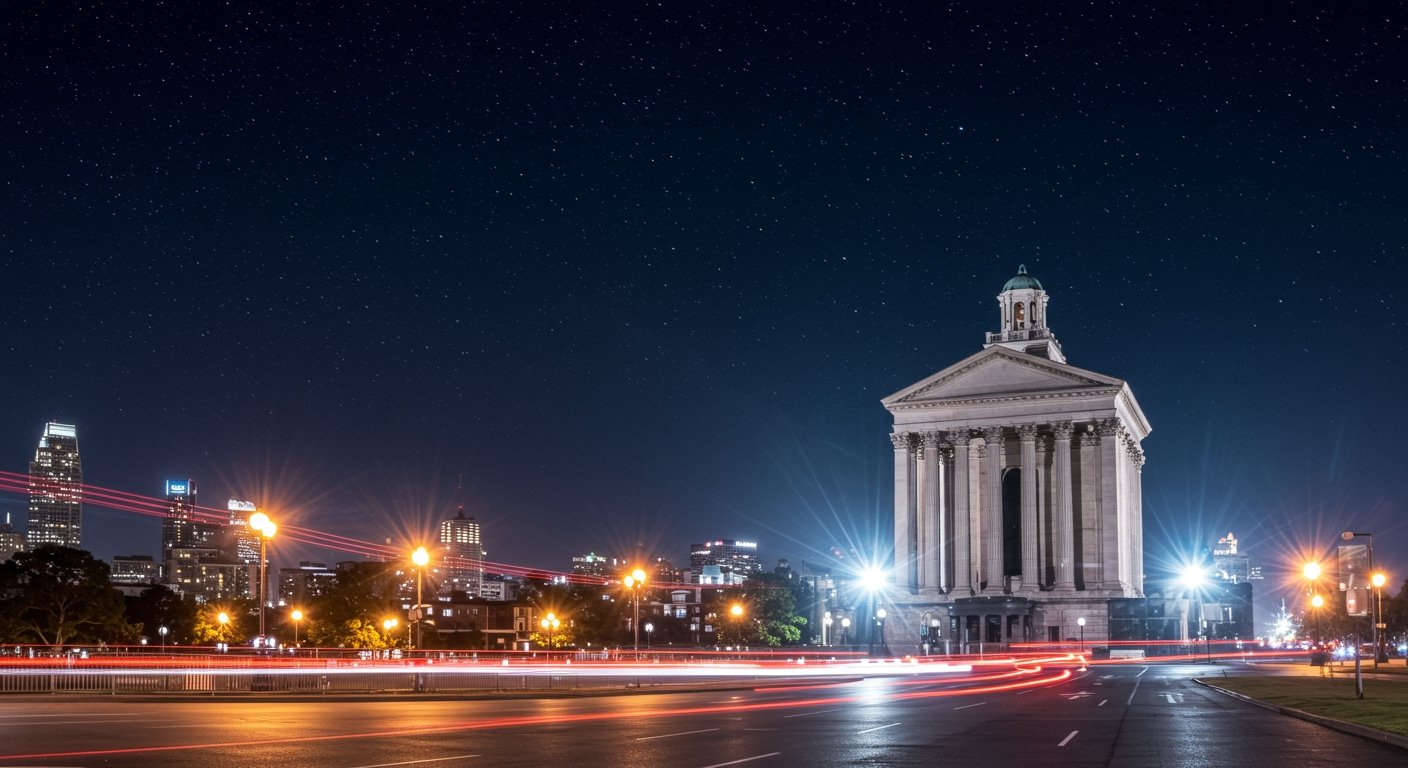
The comparison between Dallas and Fort Worth as potential hosts often boils down to two critical factors: the capacity of the convention centers and the scope of the media market. While Fort Worth offers a rich cultural identity and a more conservative-leaning base, it lacks the expansive square footage and the high-volume hotel capacity of Dallas. The Kay Bailey Hutchison Convention Center provides the RNC with the massive floor space required for security zones, media scrums, and delegate seating—logistical necessities that are non-negotiable for an event of this scale. Furthermore, the Dallas media market is one of the largest in the nation, ensuring that any speeches, platforms, or policy announcements made during the September 9-10 window receive maximum viewership.
The ‘Blue City’ Paradox
Critics might point to the irony of a Republican convention taking place within a city that traditionally leans Democratic. However, from an E-E-A-T (Experience, Expertise, Authoritativeness, and Trustworthiness) perspective in political journalism, this strategy is not unprecedented. Major political parties have long utilized metropolitan centers—regardless of their local voting records—as staging grounds for national messaging. The primary goal is not to win the local vote in Dallas, but to project strength, unity, and policy focus to a national audience. By planting their flag in the center of a major North Texas hub, the party asserts its relevance and command of the region’s economic and media sphere.
Logistical Superiority and Infrastructure
The logistical heavy lifting required for a midterm convention cannot be understated. Dallas provides a streamlined experience for national delegates, particularly due to its proximity to DFW International Airport and the Dallas Love Field airport. The ease of transportation for incoming dignitaries, combined with the city’s concentration of luxury and business-class hotels, creates an environment conducive to the high-pressure environment of a midterm convention. When the party deliberated on the venue, the ease of movement and the capability to host thousands of people without bottlenecking played a crucial role in the final tally.
Long-Term Economic Implications
Beyond the political messaging, the economic ripple effect of hosting this convention is substantial. A two-day event in early September will stimulate the local service economy, benefiting restaurants, hotels, and transportation services. Historical data from previous conventions suggests that such events create a temporary but intense economic boom. For Dallas, this is an opportunity to showcase its resilience and capacity as a global convention leader, effectively marketing the city to future political and business entities looking for a reliable, high-capacity venue.
FAQ: People Also Ask
Why was the September 9-10 timeframe chosen for the 2026 convention?
The September date is strategically placed to capture the final momentum shift before the November midterm elections. This timing allows the party to consolidate its platform and messaging while the electorate is beginning to turn its attention toward the ballot.
Does the choice of Dallas imply a shift in regional GOP support?
No. The choice is primarily functional and logistical. The party relies on the superior infrastructure of the Dallas convention market to host an event of this size, rather than signaling a shift in local partisan voter demographics.
Will the convention affect local daily operations in Dallas?
Residents and commuters should expect increased security presence and potential localized road closures around the downtown convention district during the two-day event. Planning for infrastructure mitigation is already underway between city officials and the RNC.