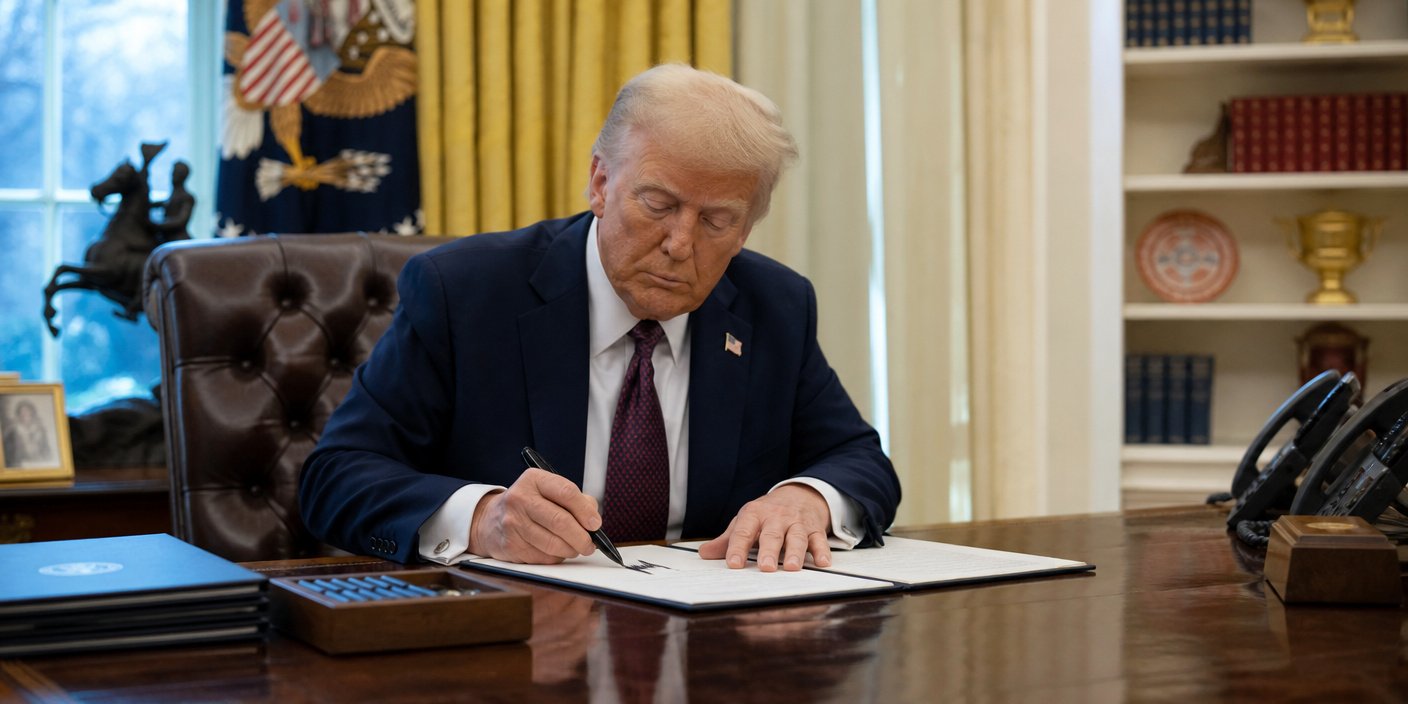
President Donald Trump is scheduled to conduct a pivotal series of telephone conversations with Russian President Vladimir Putin and Ukrainian President Volodymyr Zelenskyy on Monday, September 7. These scheduled calls follow a recent, high-stakes diplomatic mission to Kyiv by U.S. envoys Steve Witkoff and Jared Kushner, an initiative aimed at assessing the ground realities and outlining potential pathways to ending the protracted Russia-Ukraine war. The upcoming communication signals a concentrated effort by the Trump administration to shift from observation to active intervention in the conflict’s resolution.
- Diplomatic Trilateral: President Trump will hold distinct, sequential phone calls with both Vladimir Putin and Volodymyr Zelenskyy on Monday, September 7.
- Envoy Precedence: The calls follow a strategic mission to Kyiv by U.S. envoys Steve Witkoff and Jared Kushner, who were tasked with gauging the feasibility of peace negotiations.
- Strategic Objective: The primary goal of these conversations is to evaluate the positions of both heads of state to determine if a negotiated settlement is viable.
- Geopolitical Stakes: These discussions occur at a critical juncture in the Russia-Ukraine conflict, testing the influence of U.S. diplomacy in one of the world’s most volatile theaters.
Navigating the Diplomatic Crossroads: The Trilateral Initiative
The announcement of these phone calls marks a significant escalation in the Trump administration’s attempt to engage directly with the primary actors of the Russia-Ukraine war. By scheduling back-to-back discussions with Vladimir Putin and Volodymyr Zelenskyy, the administration is positioning itself as a central broker, moving beyond the framework of traditional multilateral support to embrace direct, personal diplomacy. This strategy, characterized by high-level envoy missions and executive-to-executive communication, reflects a unique approach to international conflict resolution.
The Envoy Infrastructure: Witkoff and Kushner’s Role
The groundwork for these calls was laid by Steve Witkoff and Jared Kushner, whose mission to Kyiv provided the intelligence and diplomatic context necessary for President Trump’s intervention. Witkoff, a prominent real estate investor and long-time Trump associate, and Kushner, who has extensive experience in Middle East peace negotiations, traveled to the Ukrainian capital to meet with local officials and assess the current state of the frontlines. This mission was not merely symbolic; it served as a reality check for the White House, filtering out bureaucratic noise and providing a direct assessment of what Zelenskyy requires versus what he is willing to negotiate. By utilizing trusted non-governmental envoys, the administration maintains a level of flexibility and deniability that traditional diplomatic channels often lack, allowing for more frank discussions regarding the potential for de-escalation.
Strategic Intent: The Mechanics of the Monday Calls

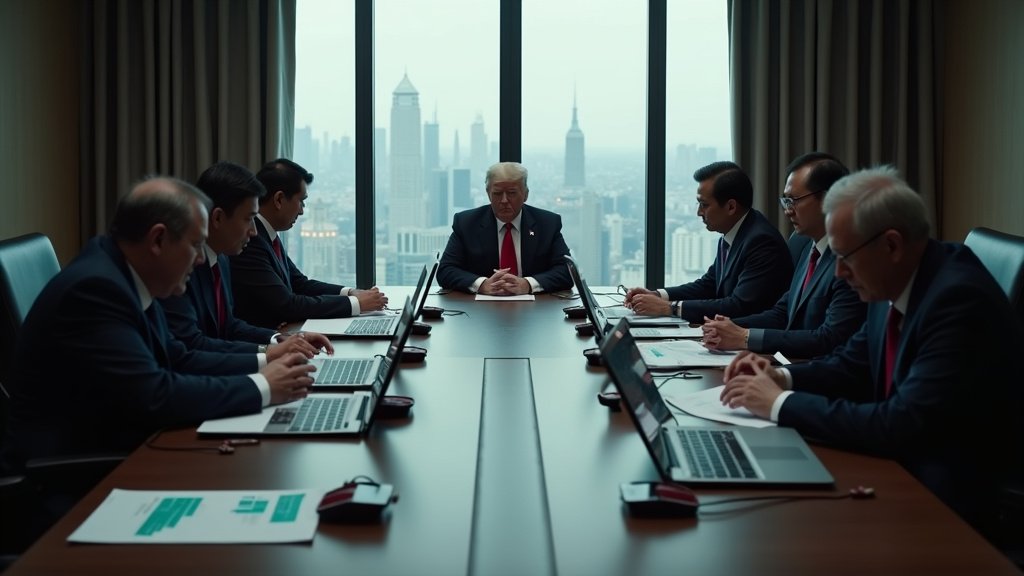
Monday’s conversations will be analyzed for specific signals regarding the future of military and economic aid, as well as the potential for territorial compromises. When speaking with President Putin, the administration is expected to weigh the impact of existing sanctions against the potential for a ceasefire. Conversely, the conversation with President Zelenskyy will likely focus on his internal political stability and the threshold for entering formal peace talks. For Trump, the goal is to define the boundaries of a potential deal before any formal summit is proposed. This requires navigating the deep mistrust between Moscow and Kyiv, while also managing the expectations of U.S. allies in Europe who are concerned about a shift toward unilateral, U.S.-led negotiation.
Challenges to Peace: The Geopolitical Landscape
Despite the optimism surrounding these calls, the obstacles to a lasting peace remain formidable. The conflict has evolved into a war of attrition, with deeply entrenched positions on territorial integrity and security guarantees. A secondary angle to consider is the economic pressure on both nations; Russia faces long-term industrial isolation, while Ukraine deals with the ongoing destruction of its infrastructure. The Trump administration’s willingness to engage directly suggests a belief that personal influence can overcome these structural barriers. However, history suggests that until the economic cost of war outweighs the perceived political benefit for either side, reaching a consensus will remain elusive. The market response to these calls will likely be volatile, as investors look for any signs of a cooling-off period in the region.
The Future of U.S. Foreign Policy
The outcome of the September 7 calls will likely dictate the tone of the administration’s foreign policy for the remainder of the year. If these calls lead to a breakthrough or a formal peace summit, it would represent a historic shift in global power dynamics. If they fail to produce tangible results, it may signal the limits of personal diplomacy in modern warfare. The international community, from the UN to the EU, is waiting to see if this pivot toward direct engagement serves as the catalyst for stability or if it merely underscores the intractability of the crisis.
FAQ: People Also Ask
Q: What is the significance of the timing of these phone calls?
A: The calls, scheduled for Monday, September 7, occur immediately after a diplomatic mission to Kyiv by U.S. envoys Steve Witkoff and Jared Kushner, suggesting the administration is acting on real-time intelligence gained during that visit.
Q: Are these calls expected to lead to an immediate ceasefire?
A: While the goal is to move toward peace, analysts warn that immediate ceasefires are complex, and these calls are likely the first steps in a long-term diplomatic process rather than a final resolution.
Q: How does this differ from previous U.S. approaches to the Russia-Ukraine war?
A: Previous approaches relied heavily on traditional institutional channels and multilateral coalitions. This approach emphasizes personal, direct communication between the U.S. President and his Russian and Ukrainian counterparts.
Q: What roles do Steve Witkoff and Jared Kushner play in these negotiations?
A: They serve as personal envoys for the President, conducting on-the-ground assessments that allow the White House to bypass standard bureaucratic delays and receive unfiltered perspectives on the ground in Kyiv.