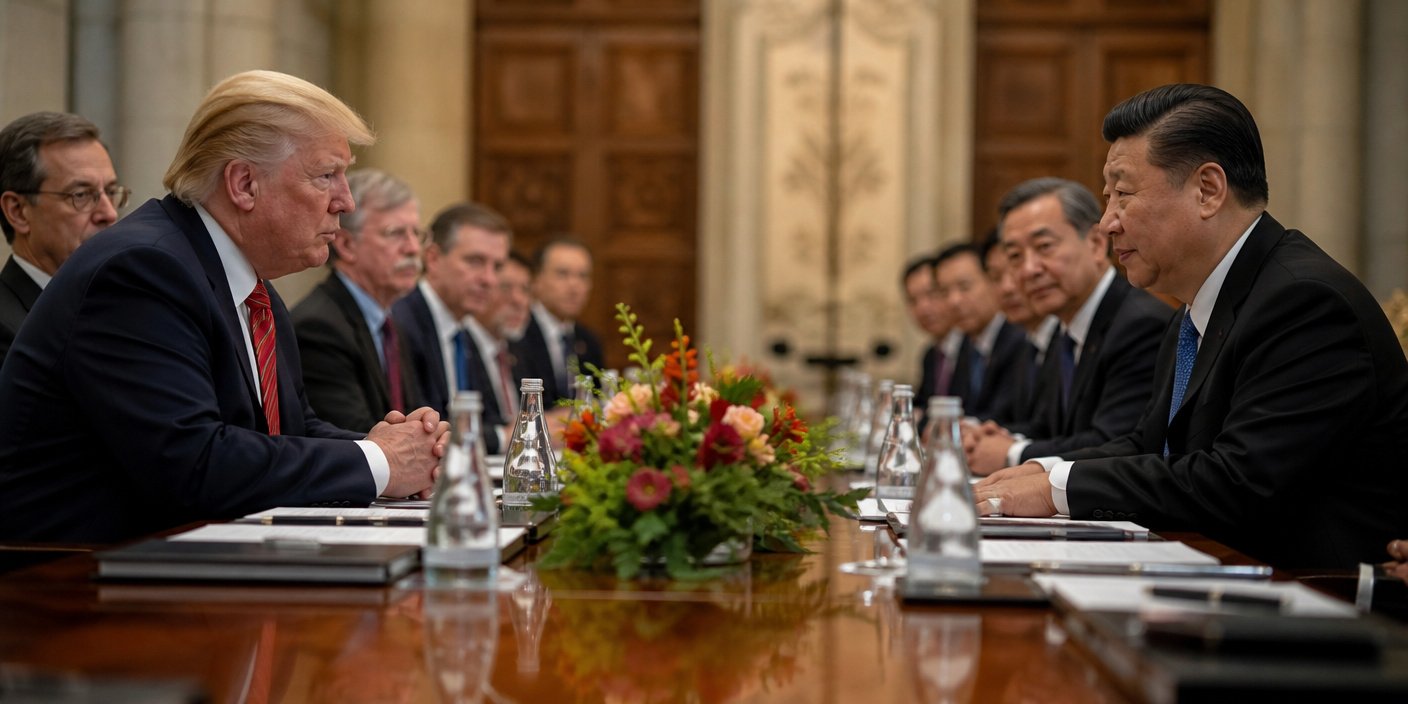
A recent analysis of South Korea’s first-quarter export data has revealed a significant concentration of the nation’s outbound trade within its top five companies. These leading corporations accounted for nearly 44% of the total export value during the period, underscoring their dominant role in the national economy.
Key Highlights:
- Top 5 companies comprise nearly half of Q1 exports.
- This concentration highlights the critical importance of these firms to Korea’s economic stability.
- The trend suggests potential risks associated with over-reliance on a few major players.
- Further analysis is needed to understand the sector-specific contributions of these dominant firms.
Dominant Players in Korea’s Export Landscape
South Korea’s economic prowess has long been associated with its globally competitive industries, particularly in sectors like semiconductors, automobiles, and petrochemicals. The latest data for the first quarter of this year indicates that this strength is increasingly consolidated within a select group of large corporations. The “Top 5 companies,” a designation that typically includes giants like Samsung Electronics, Hyundai Motor Company, SK Hynix, LG Electronics, and POSCO, have collectively driven a substantial portion of the nation’s export revenue. This phenomenon, while indicative of their global competitiveness, also raises questions about economic diversification and resilience.
Economic Implications of Export Concentration


The heavy reliance on a few major export houses presents a double-edged sword for the South Korean economy. On one hand, the success of these global leaders, such as Samsung Electronics in semiconductors and displays, and Hyundai Motor Company in the automotive sector, significantly bolsters the nation’s trade balance and foreign exchange reserves. Their ability to innovate and compete on a global scale is a testament to South Korea’s industrial capabilities. However, this concentration also introduces vulnerabilities. A downturn in the performance of any one of these key players, perhaps due to global demand shifts, supply chain disruptions, or geopolitical factors, could have a disproportionately large impact on the overall export figures and, by extension, the national GDP. This makes robust economic policy and risk management crucial.
Sectoral Contributions and Market Dominance
While the overall figure of 44% for the top five is striking, a deeper dive into the specific sectors reveals where their influence is most pronounced. For instance, Samsung Electronics and SK Hynix are critical to the semiconductor industry, a sector that has seen volatile global demand but remains a cornerstone of South Korea’s high-tech exports. Similarly, Hyundai Motor Company and Kia (often grouped with its parent Hyundai) are major players in the global automotive market, including the burgeoning electric vehicle segment. POSCO, a leading steel manufacturer, also plays a pivotal role in industrial supply chains worldwide. Understanding the individual performance within these key industries provides a more nuanced picture of the export landscape and the specific drivers of growth or contraction.
Challenges and Future Outlook
The trend of export concentration poses a challenge for policymakers aiming for broad-based economic growth. While supporting these titans is essential, fostering the growth of small and medium-sized enterprises (SMEs) and encouraging new export-oriented industries is vital for long-term economic health. The government’s focus on innovation and R&D across various sectors, along with efforts to diversify export markets and products, aims to mitigate the risks associated with this concentrated export structure. The future outlook will depend on the global economic environment, the ability of these large firms to maintain their competitive edge, and the success of strategies to broaden South Korea’s export base.
FAQ: People Also Ask
What are South Korea’s top export products?
South Korea’s primary exports include semiconductors, automobiles, petroleum products, machinery, and ships. The dominance of a few large companies means these product categories are heavily influenced by the performance of firms like Samsung, Hyundai, and SK Hynix.
How much do South Korea’s top companies contribute to exports?
In the first quarter of the year, the top five exporting companies accounted for approximately 44% of South Korea’s total export value, indicating a significant concentration of trade within these major corporations.
What are the risks of export concentration for an economy?
Export concentration can make an economy vulnerable to external shocks affecting a few major industries or companies. It can also lead to a lack of job creation in other sectors and reduce overall economic diversification and resilience.
Which companies are typically considered South Korea’s top exporters?
While official rankings can fluctuate, the companies most frequently cited among South Korea’s top exporters include Samsung Electronics, Hyundai Motor Company, SK Hynix, LG Electronics, and POSCO, due to their massive global sales and production volumes.