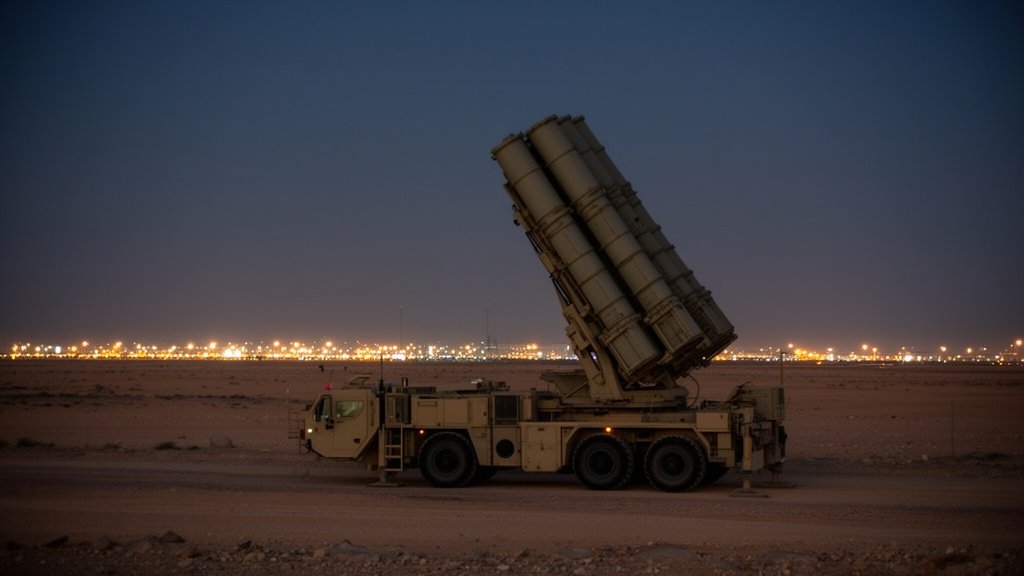
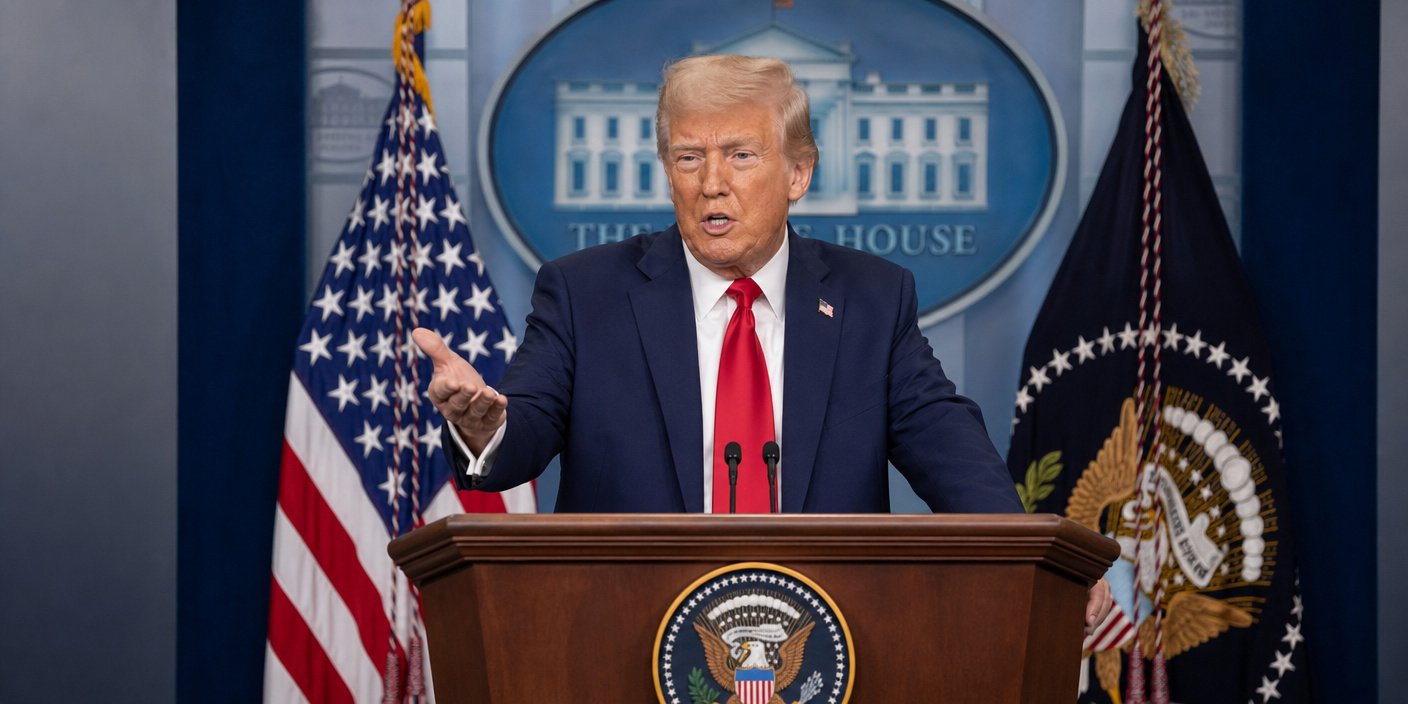
Asian shares traded mixed and US futures declined as progress in Iran nuclear talks offered a glimmer of optimism for geopolitical stability, though broader market sentiment remained cautious. Investors are weighing the potential implications of a revived deal against ongoing economic uncertainties and regional tensions.
Key Highlights:
- Asian stock markets exhibited a mixed performance, reflecting diverse regional economic conditions and investor sentiment.
- US futures pointed lower, indicating a subdued start for American equities as traders digest recent developments.
- Advancements in the Iran nuclear talks were a significant driver, potentially easing some global supply concerns.
- Geopolitical factors continue to exert influence on market movements, creating volatility.
Global Markets React to Geopolitical Shifts and Economic Indicators
Equity markets across Asia presented a fragmented picture, with some indices eking out gains while others succumbed to selling pressure. This divergence underscores the varied economic landscapes and policy responses within the region. The Nikkei 225 in Japan saw modest gains, supported by a weaker yen which can boost export competitiveness. However, mainland Chinese markets faced headwinds, influenced by ongoing regulatory shifts and domestic economic data. South Korea’s Kospi also traded flat, mirroring the cautious global mood.



In parallel, futures for major US stock indices, including the S&P 500 and Nasdaq, indicated a weaker opening on Wall Street. This softness suggests that while positive news from the Iran talks may temper some fears, underlying investor concerns about inflation, interest rate hikes, and the specter of recession continue to weigh on sentiment. The market’s reaction highlights a delicate balancing act between geopolitical developments and fundamental economic challenges.
The Iran Nuclear Deal: A Diplomatic Tightrope
The renewed progress in the Vienna talks aimed at reviving the Joint Comprehensive Plan of Action (JCPOA) has been a central focus for global markets. A potential lifting of sanctions on Iran could lead to a significant increase in global oil supply, a factor that has historically exerted downward pressure on crude prices. This, in turn, could offer some relief from inflationary pressures, a key concern for central banks worldwide. However, the path to a final agreement remains complex, with numerous sticking points yet to be fully resolved. The market’s optimistic reaction is therefore tempered by the inherent uncertainty surrounding the negotiations.
Economic Headwinds and Central Bank Watch
Beyond the geopolitical arena, global financial markets are keenly observing the actions of major central banks. Persistent inflation in economies like the United States and Europe has prompted aggressive monetary tightening cycles, with further interest rate hikes anticipated. The pace and magnitude of these hikes carry significant implications for corporate borrowing costs, consumer spending, and overall economic growth. Investors are scrutinizing economic data releases, such as inflation reports and employment figures, for clues on future policy direction.
Regional Economic Divergence
The mixed performance in Asian markets also reflects a broader trend of economic divergence. While some Asian economies are showing resilience, others are grappling with slower growth, supply chain disruptions, and the ongoing impact of global demand shifts. The International Monetary Fund (IMF) and other international bodies have recently revised down global growth forecasts, emphasizing the complex and challenging environment for policymakers and investors alike. The interplay between domestic economic strengths and global fragilities continues to shape market trajectories.
FAQ: People Also Ask
What are the primary implications of progress in the Iran nuclear talks for global oil markets?
Progress in the Iran nuclear talks, particularly if it leads to the lifting of sanctions, could result in a significant increase in global oil supply. This would likely put downward pressure on crude oil prices, offering some relief from inflationary pressures. However, the actual impact depends on the scale of increased supply and the market’s interpretation of the longevity of any agreement.
How are rising interest rates affecting global stock markets?
Rising interest rates increase borrowing costs for companies, potentially reducing profitability and investment. They also make fixed-income investments more attractive relative to stocks, leading to a reallocation of capital. This can put downward pressure on stock valuations and increase market volatility as investors adjust their portfolios to a higher-rate environment.
What is the Joint Comprehensive Plan of Action (JCPOA)?
The JCPOA, commonly known as the Iran nuclear deal, is an agreement reached in 2015 between Iran and several world powers. It aimed to limit Iran’s nuclear program in exchange for sanctions relief. The agreement has faced significant challenges and modifications since its inception.
Why are Asian stock markets trading with mixed performance?
Mixed performance in Asian stock markets can be attributed to a variety of factors, including differing economic conditions within each country, country-specific regulatory policies, varying impacts of global inflation and interest rate hikes, and the influence of domestic demand and export performance. Geopolitical events also play a crucial role in shaping regional sentiment.