Whistler, British Columbia, Canada – The Group of Seven (G7) leading industrialized nations reached a significant agreement on Saturday, June 29, 2025, opting to exempt U.S. multinational companies from a proposed global minimum tax that other countries could potentially impose. This breakthrough, announced following extensive negotiations, marks a notable achievement for the administration of President Donald Trump, which had vigorously advocated for this specific compromise.
The deal introduces a novel framework described as a “side-by-side” solution. Under this arrangement, U.S.-based corporations would be subject to taxation exclusively within the United States. This domestic taxation would encompass both their earnings generated within the U.S. and their profits derived from foreign operations. The official statement detailing this agreement was released by Canada, which currently holds the G7’s rotating presidency.
The Context: A Push for Global Tax Harmonization
The international push for a global minimum corporate tax rate has gained momentum in recent years, driven by concerns that multinational corporations exploit disparities in national tax laws to shift profits to low-tax jurisdictions. This practice, often referred to as base erosion and profit shifting (BEPS), has been blamed for eroding national tax bases and creating an uneven playing field for businesses. The initiative aimed to ensure that large companies pay a fair share of tax regardless of where they are headquartered or where their profits are technically booked.
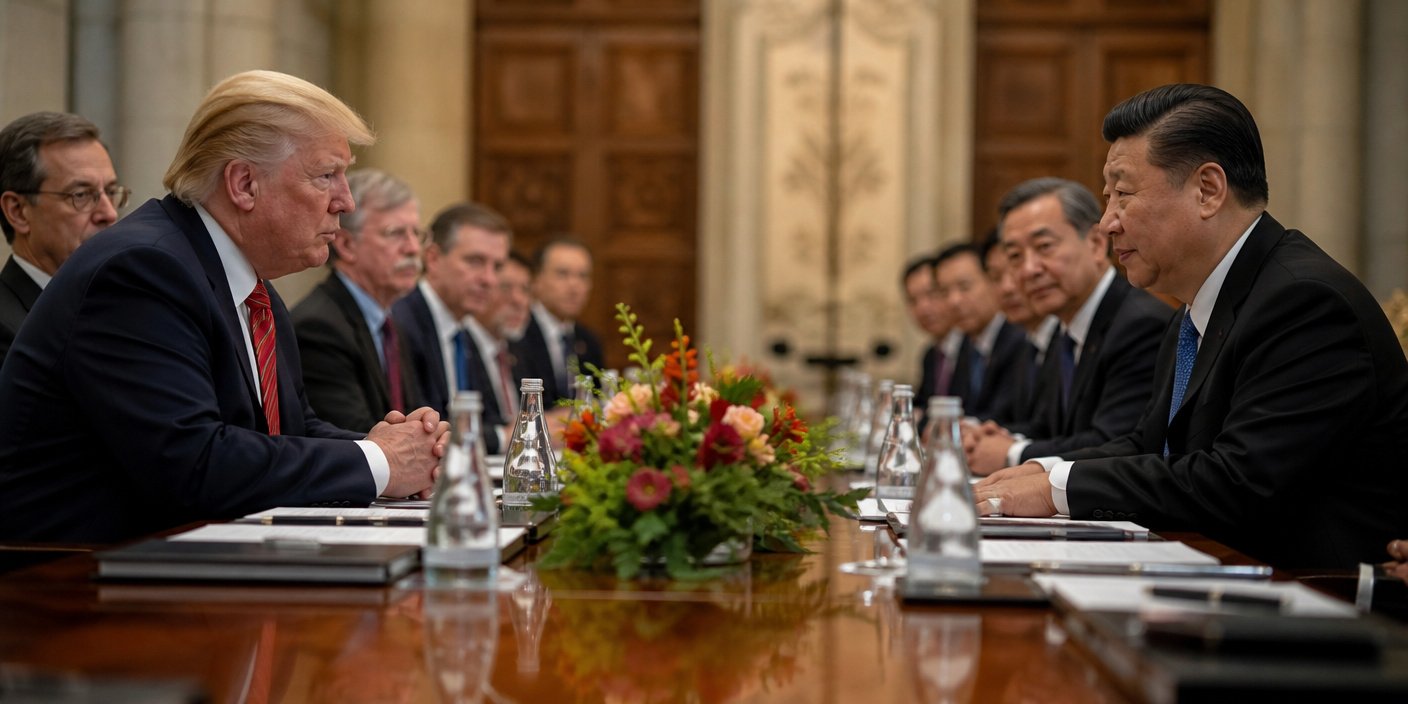



Various international bodies, including the Organisation for Economic Co-operation and Development (OECD), have been instrumental in facilitating discussions among nations to establish a unified approach. The G7, comprising Canada, France, Germany, Italy, Japan, the United Kingdom, and the United States, plays a crucial role in shaping global economic policy, and its consensus on international taxation issues is highly influential.
Understanding the “Side-by-Side” Solution
The “side-by-side” solution agreed upon by the G7 represents a distinct carve-out designed specifically for U.S. companies. While the broader global minimum tax framework might allow countries where profits are earned to levy a top-up tax if a company’s effective rate in a jurisdiction falls below the agreed minimum, this G7 agreement provides a mechanism to shield U.S. multinationals from such extra-territorial taxation.
Instead of being subject to potential top-up taxes in foreign countries under the global minimum tax rules, U.S. companies would consolidate all their taxable income – spanning both domestic and foreign profits – and pay tax on that aggregate amount solely to the U.S. Treasury. This effectively maintains the U.S. as the sole taxing authority over the worldwide income of its multinational corporations, aligning with existing U.S. international tax principles, albeit potentially reformed to accommodate the aggregate income approach.
A Win for the Trump Administration
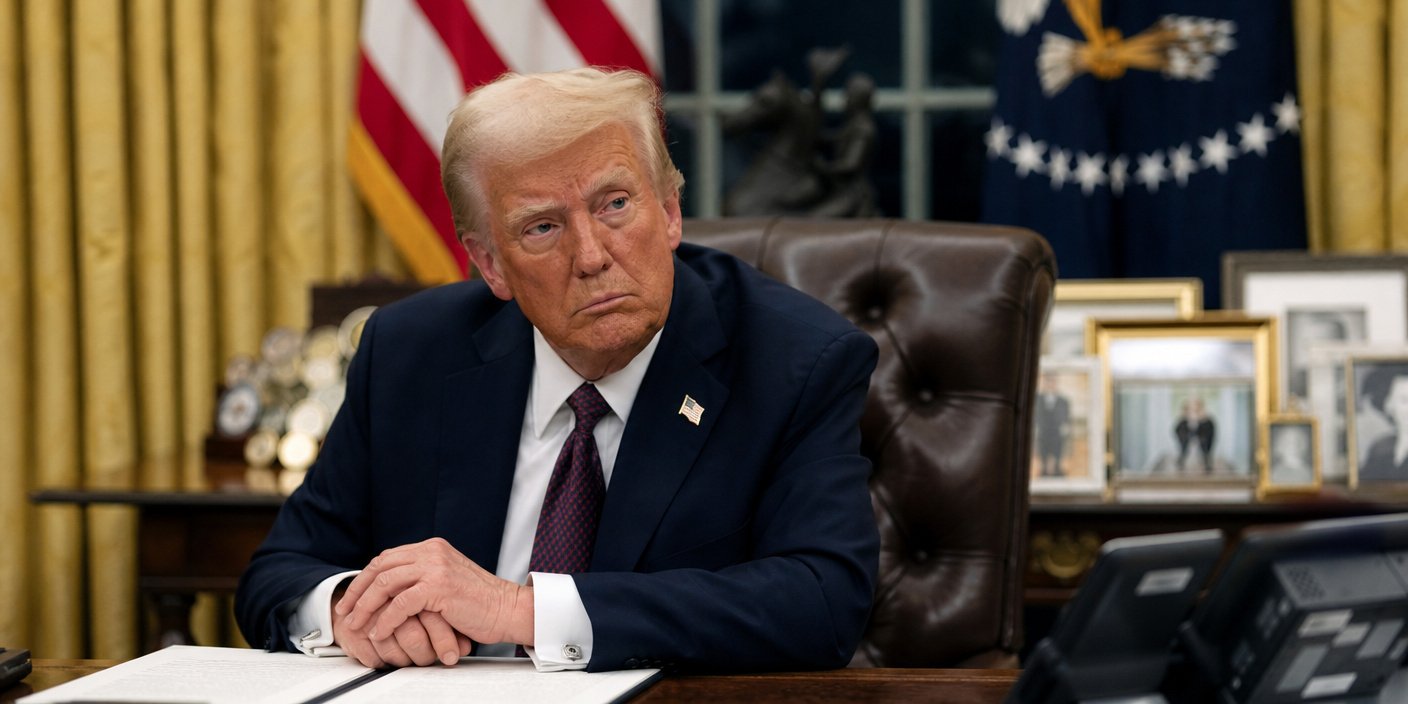
Sources familiar with the negotiations indicated that President Donald Trump’s government placed significant emphasis on protecting U.S. businesses from potentially burdensome or complex international tax regimes. The administration argued that U.S. tax reforms already addressed many of the concerns driving the global minimum tax initiative and that subjecting U.S. companies to additional foreign taxation would be detrimental to their competitiveness.
The agreement reached on Saturday is thus being viewed as a substantial diplomatic and economic victory for the Trump administration. It successfully carved out an exemption that prioritizes U.S. tax jurisdiction over its corporations’ worldwide earnings, demonstrating the administration’s ability to influence major international economic accords to suit its policy objectives.
International Reactions and Future Outlook
The agreement, while celebrated by the U.S., is expected to draw scrutiny from other nations and stakeholders invested in a truly uniform global minimum tax. Proponents of a more stringent global framework may view the U.S. exemption as potentially undermining the effectiveness and universality of the initiative. They might argue that it creates an unfair advantage for U.S. companies or sets a precedent for other countries to seek similar carve-outs.
The statement released by Global Affairs Canada, acting on behalf of the G7 presidency, confirmed the details of the agreement but did not immediately elaborate on the technical specifics of how the “side-by-side” mechanism would be implemented alongside the broader global tax rules applicable to companies from other nations. Future discussions at the OECD and among the wider G20 group will likely be necessary to fully integrate this G7 agreement into the broader international tax reform architecture.
The outcome underscores the complex interplay between national sovereignty over taxation and the growing need for international cooperation in an increasingly globalized economy. The G7’s decision on June 29, 2025, sets a specific path forward for U.S. multinationals under the impending global tax changes, a path distinct from that which companies from other nations may follow.