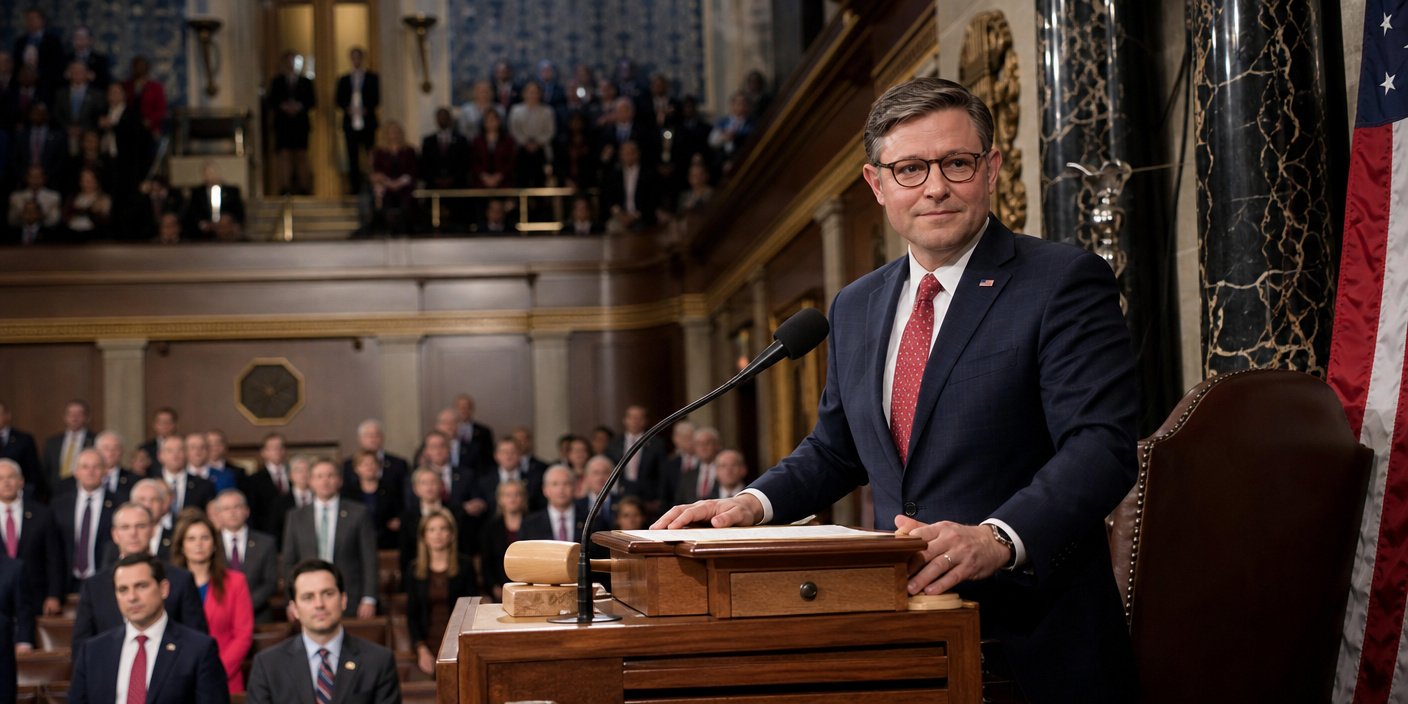
In a decisive display of legislative prioritization, the U.S. House of Representatives successfully passed a bipartisan bill late this week imposing stringent financial sanctions on Russia and Iran. The legislation, intended to solidify economic pressure on both nations, now heads to President Trump’s desk for his signature. However, the victory on the House floor was quickly overshadowed by a tactical retreat led by Speaker Mike Johnson. In an effort to shield Defense Secretary Pete Hegseth from a mounting impeachment threat, Johnson made the abrupt executive decision to cancel all remaining votes for the week, effectively clearing the legislative calendar and forestalling any opportunity for the opposition to force a floor vote on the embattled cabinet official.
Key Highlights
- Bipartisan Sanction Package: The House passed a sweeping financial sanctions bill targeting Russia and Iran, aiming to curb their international economic operations.
- Clear Path to Signature: The bill has successfully cleared both chambers, placing it firmly on President Trump’s desk for final approval.
- Tactical Cancellation: Speaker Mike Johnson canceled all remaining legislative votes for the week to prevent a floor vote regarding the impeachment of Defense Secretary Pete Hegseth.
- Strategic Shielding: By ending the session early, Republican leadership successfully avoided a potentially divisive internal conflict that could have jeopardized the stability of the current executive cabinet.
The Legislative Pivot: Balancing Policy and Party Protection
The events unfolding on Capitol Hill this week represent a classic study in the dual nature of congressional power: the ability to enact global policy and the tactical usage of the procedural calendar to manage domestic political exposure. By passing the Russia and Iran sanctions bill, the House Republican leadership demonstrated a commitment to its stated foreign policy objectives. This legislation, which aims to isolate the financial networks of Moscow and Tehran, is viewed by many on Capitol Hill as a necessary step to align the U.S. executive agenda with congressional oversight. However, the subsequent move by Speaker Mike Johnson reveals the precarious tightrope walk required to maintain unity within a slim House majority.
Behind the Sanctions: Economic Stranglehold on Global Adversaries
The newly passed sanctions package is not merely symbolic; it represents a significant tightening of the financial noose around two of the United States’ primary geopolitical adversaries. By targeting specific financial institutions and energy-related infrastructure in both Russia and Iran, the bill seeks to diminish the ability of these regimes to fund their military and expansionist endeavors. Economists tracking the bill suggest that the move could effectively cut off targeted entities from major international banking networks, forcing them to rely on less stable, shadow-market mechanisms. The bipartisan nature of this vote underscores a rare moment of unity in Washington, where economic aggression toward these two nations remains one of the few areas of absolute consensus. By moving this bill quickly, the House ensured that these measures would be ready for President Trump to sign, signaling a coordinated effort between the legislative and executive branches to solidify a unified front on foreign policy.
The Hegseth Factor: Navigating the Impeachment Threat

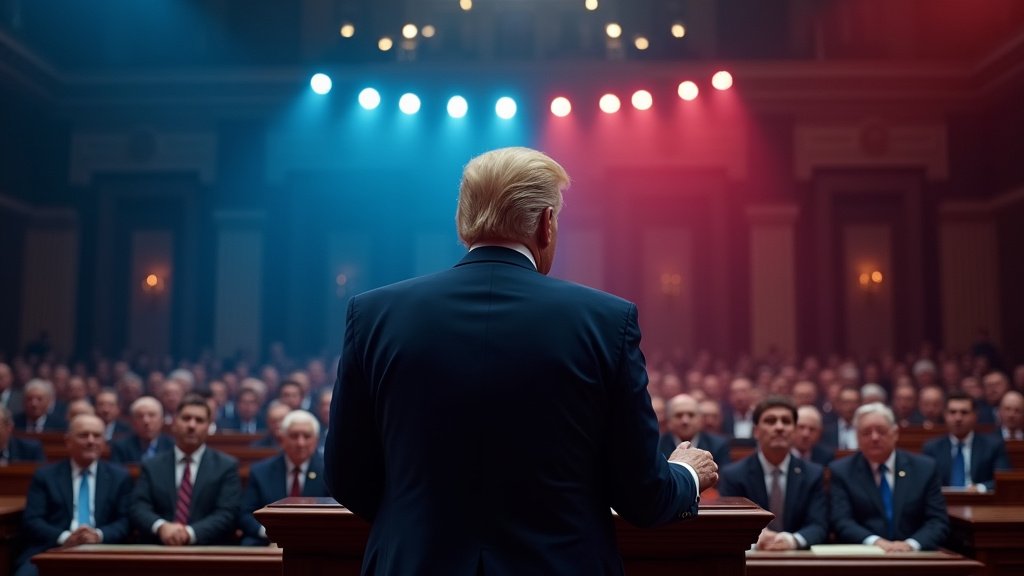


While the sanctions vote provided a moment of triumph for the GOP, the immediate cancellation of future sessions highlights the intense pressure surrounding Defense Secretary Pete Hegseth. The impeachment threat against Hegseth has been a simmering issue for weeks, fueled by allegations regarding his professional conduct and his management of the Department of Defense. For the opposition, a floor vote on impeachment served as a high-stakes lever, designed to fracture the GOP caucus and force moderate members into uncomfortable public positions. By preemptively clearing the calendar, Speaker Johnson effectively ‘clocked out’ the House, ensuring that no further business—and thus no impeachment proceedings—could reach the floor for a vote this week. This is a high-risk, high-reward strategy. While it protects the Secretary in the short term, it leaves the threat unresolved, potentially setting the stage for a more volatile legislative return when the House reconvenes.
Procedural Power: How Speaker Johnson Controlled the Clock
Speaker Mike Johnson’s power to manage the House schedule is one of the most potent tools in the Speaker’s arsenal. By deciding to truncate the week, he demonstrated a willingness to prioritize party discipline over the standard legislative schedule. Critics argue that this move bypasses the democratic process, preventing the House from exercising its constitutional duty to weigh in on matters of executive conduct. Supporters, however, view it as a necessary defense mechanism against political theater. The procedural maneuver essentially forces a ‘cooling off’ period, allowing the leadership time to whip votes, shore up support, and perhaps neutralize the internal GOP dissent that gave rise to the impeachment talk in the first place. This specific use of the gavel to shut down debate underscores the current political climate, where the control of the floor is as valuable as the control of the vote count itself.
Strategic Implications for the GOP
Looking ahead, the fallout from this week will likely be significant. The successful passage of the Russia and Iran sanctions provides a positive headline for the GOP, offering a narrative of strength and decisive action. However, the ‘dodge’ on the Hegseth vote leaves a lingering question mark over the party’s internal cohesion. The move to skip the vote may satisfy the current need for survival, but it does not remove the underlying grievances that led to the impeachment attempt. As the House prepares for the next session, leadership will have to balance the need to move on from this controversy with the risk that the issue will resurface with even greater intensity. The tension between the public-facing legislative achievements and the private-facing management of cabinet personnel will remain the defining feature of this congressional term.
FAQ: People Also Ask
1. What specifically does the new Russia and Iran sanctions bill do?
The bill imposes strict financial sanctions targeting the banking and energy sectors of both nations. The goal is to cripple their ability to process international payments and fund their respective military and security operations, further isolating them from the global financial system.
2. Why did Speaker Mike Johnson cancel the remaining votes for the week?
The decision to cancel votes was a strategic maneuver intended to block an impending impeachment vote against Defense Secretary Pete Hegseth. By ending the session early, the Speaker prevented the opposition from forcing a floor vote that could have caused significant political division and threatened the stability of the cabinet.
3. Will the impeachment vote against Pete Hegseth happen later?
While the Speaker’s move successfully delayed the vote for this week, it remains an unresolved issue. Whether it will be addressed when the House reconvenes depends on the ability of the GOP leadership to manage dissent and prevent the opposition from gaining enough traction to force the motion forward in the future.
4. Is this sanctions bill already in effect?
The bill has passed the House and is now awaiting President Trump’s signature. Once signed, it will officially become law, and the implementation of the new sanctions will commence according to the timelines specified in the legislation.