The state of Texas executed a man today for his role in a triple homicide that occurred during a home robbery, marking the fifth state-sanctioned execution of 2026. The procedure was carried out at the Huntsville “Walls” Unit, the epicenter of capital punishment in the state, following a final ruling that saw the prisoner’s clemency appeal denied by the Texas Board of Pardons and Paroles.
This execution underscores the continued pace of capital punishment in Texas, a state that consistently leads the nation in the number of executions carried out annually. As the fifth individual to be put to death in 2026, the case highlights the enduring, albeit contentious, nature of the death penalty within the Texas judicial system.
The Final Legal Chapters
The execution followed years of litigation that traversed the state and federal court systems. After being convicted of the three murders, the inmate had exhausted his state appeals, with subsequent efforts at the federal level—primarily petitions for a stay of execution based on claims of procedural errors or new evidence—being rejected by courts. The final administrative step involved the Texas Board of Pardons and Paroles, which holds the sole authority to recommend clemency or a commutation of sentence to the Governor of Texas. With the board’s decision to deny the appeal, the path was cleared for the Texas Department of Criminal Justice (TDCJ) to proceed with the execution protocol.
The Anatomy of the Crime and Prosecution



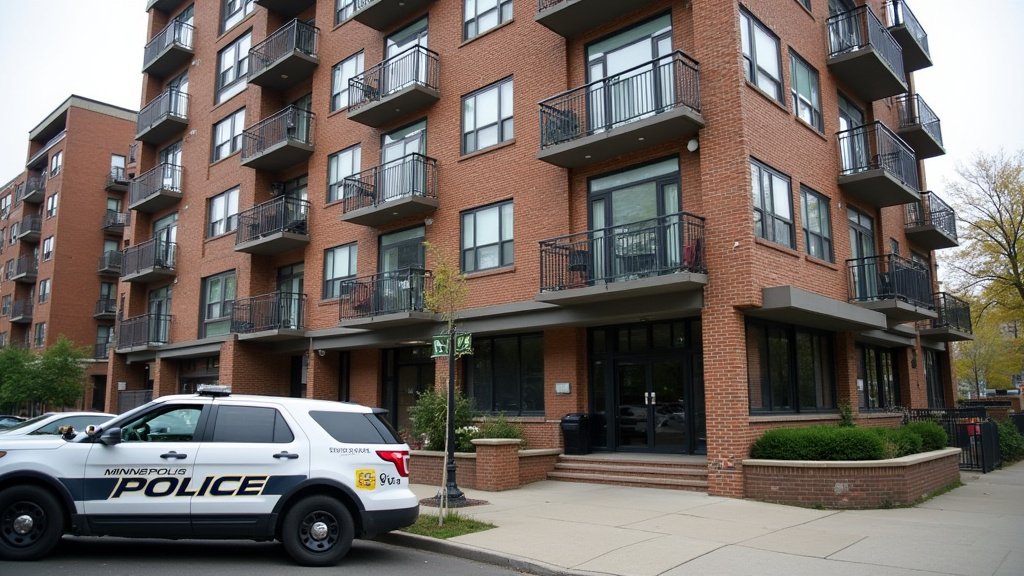
The original incident, which occurred during a home robbery, resulted in the tragic loss of three lives. The investigation revealed that the perpetrator had entered the residence with the intent to commit theft, but the situation escalated into violence. Law enforcement officials and prosecutors at the time emphasized the brutality of the crime as a primary factor in seeking the death penalty. During the sentencing phase of the original trial, the state successfully argued that the defendant posed a continuing threat to society, satisfying the stringent criteria required for a capital sentence under Texas law.
The Procedure at the Huntsville Unit
The execution protocol in Texas is a highly regulated, standardized process. Upon confirmation that no further judicial stays were in place, the TDCJ proceeded with the scheduled time. The “Walls Unit” in Huntsville serves as the location where all male executions in Texas take place. This specific execution followed the standard administrative timeline, including the availability of a final meal, the presence of witnesses from both the victims’ families and the prisoner’s chosen observers, and the eventual administration of the lethal substance. This procedure represents the final stage of a multi-decade legal process that begins with arrest, trial, sentencing, and the lengthy appeals process known as the “death row” phase.
Broader Trends in 2026 Capital Punishment
The fact that this is the fifth execution of 2026 provides a window into the ongoing policy debate surrounding capital punishment. While several U.S. states have abolished the death penalty or instituted moratoriums, Texas continues to utilize the practice as a statutory sentencing option. Supporters of the state’s approach argue that it provides justice for the victims’ families and serves as a deterrent against the most heinous crimes. Conversely, critics frequently point to the risks of wrongful convictions, the exorbitant costs associated with capital cases compared to life imprisonment, and evolving ethical standards as reasons to move away from the practice.
As the state moves forward, legal experts anticipate that the remaining death row population will continue to face scheduled execution dates as their appeals are exhausted. The focus for legal observers remains on the intersection of technological advancements in forensic science—which occasionally uncover new evidence in decades-old cases—and the rigid timeline established by the Texas judicial system.
FAQ: People Also Ask
Q: How does the clemency process work in Texas?
A: In Texas, the Board of Pardons and Paroles reviews petitions from death row inmates. They can recommend that the Governor commute a death sentence to life imprisonment or grant a reprieve. If the Board votes against a recommendation, the Governor of Texas generally cannot grant clemency on their own authority, making the Board’s decision the final barrier before an execution.
Q: Why does Texas have more executions than other states?
A: Texas has a high volume of capital cases, a state legal system that emphasizes the finality of convictions, and a robust apparatus for carrying out sentences. The state legislature and judicial environment have historically favored the application of the death penalty for capital offenses.
Q: What happens to the appeals process once an execution date is set?
A: Once an execution date is set, the inmate’s legal team has a limited window to file “last-minute” appeals, often arguing for DNA testing, claims of intellectual disability, or newly discovered procedural violations. These are typically heard by the Texas Court of Criminal Appeals and federal courts, including the Supreme Court of the United States, but are rarely granted unless significant new evidence arises.
Q: What defines a ‘capital’ crime in Texas?
A: Under Texas Penal Code Section 19.03, capital murder includes murder committed during the commission of certain felonies—such as robbery, kidnapping, or sexual assault—or the murder of a peace officer, or multiple murders in a single act.