A violent confrontation in a downtown Minneapolis apartment complex has left three individuals dead, including two victims and the alleged shooter, triggering a major investigation in the Loring Park neighborhood. The Minneapolis Police Department is currently managing the scene as they work to piece together the events that led to this catastrophic loss of life.
Key Highlights
- Incident Outcome: Three deaths confirmed, including two victims and the suspected shooter.
- Location: The incident occurred within a residential apartment complex in the Loring Park neighborhood of downtown Minneapolis.
- Status: The Minneapolis Police Department has secured the scene and has launched an active, high-priority investigation.
- Next Steps: Authorities are in the process of identifying the deceased and notifying next of kin while conducting forensic analysis of the apartment unit.
Crisis in the Heart of the City: Unpacking the Loring Park Incident
The tranquility of the Loring Park neighborhood, typically known for its lush green spaces and high-density urban living, was shattered by the sound of gunfire in a multi-story apartment complex. While details remain fluid as the Minneapolis Police Department (MPD) processes the scene, the confirmed fatality of three individuals has sent a shockwave through the local community. The incident represents a severe escalation of violence, one that highlights the ongoing challenges of securing multi-family residential housing in the metropolitan core.
The Forensic and Procedural Response
In the immediate aftermath of the shooting, a heavy law enforcement presence descended upon the downtown area. The investigation, which is now being spearheaded by the MPD’s homicide unit, is focused on establishing a timeline of the event. Crime scene investigators are methodically combing the apartment unit, collecting ballistic evidence, and interviewing witnesses who may have heard or seen the altercation. Central to this investigation is the role of the Hennepin County Medical Examiner’s Office, which is tasked with formally identifying the victims and the suspect, as well as determining the official cause of death for each individual involved. Forensic data from this site will be crucial in distinguishing the sequence of events, particularly how the incident escalated from an interpersonal conflict or security breach into a fatal confrontation.
Analyzing Urban Security and High-Density Living

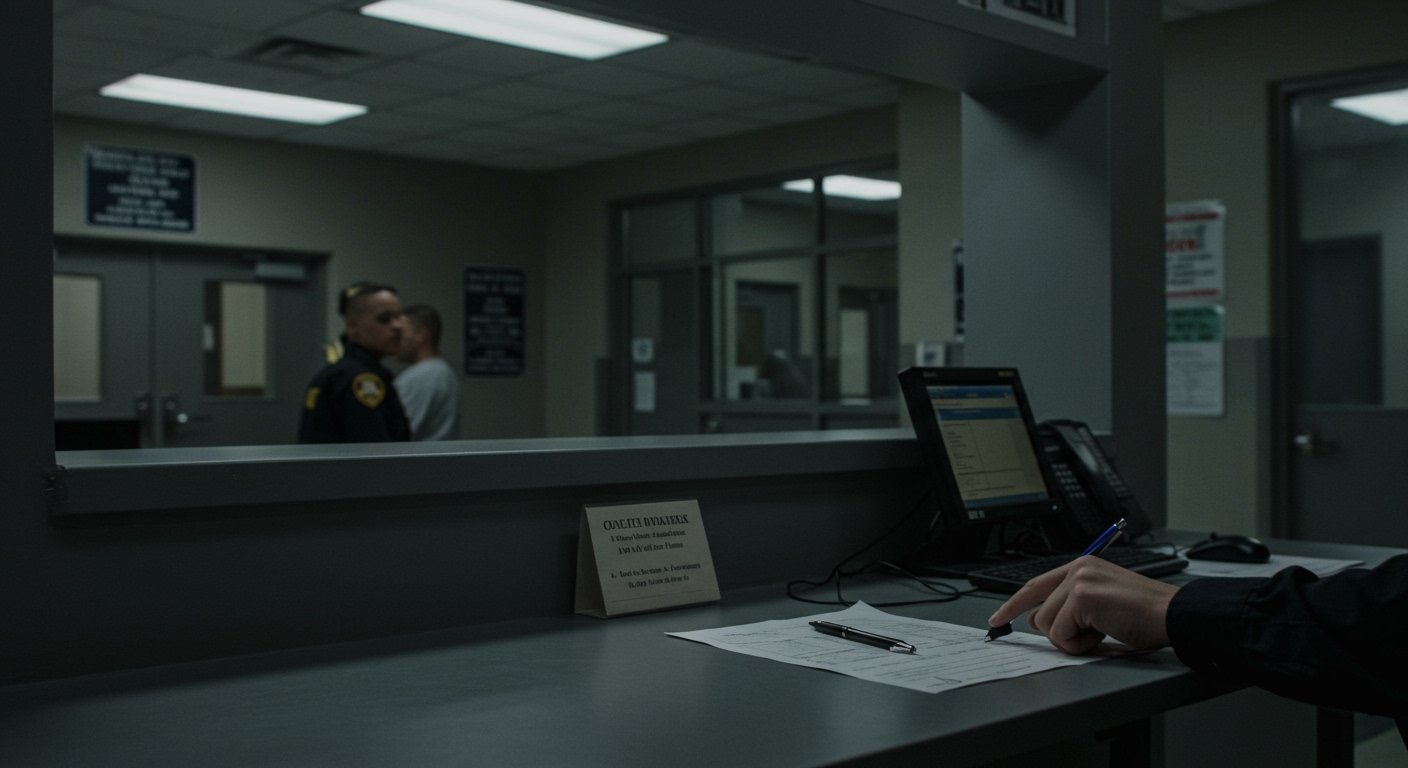


This incident raises critical questions about the security protocols governing modern apartment complexes in downtown Minneapolis. High-density residential buildings, which are designed to offer accessibility and convenience, often face the unique challenge of balancing openness with resident safety. The Loring Park area, being a focal point for both residential density and foot traffic, requires a nuanced approach to security. Property management firms and building associations in the district are likely to face increased scrutiny regarding their access control measures, surveillance capabilities, and emergency response plans in the wake of this tragedy. Experts in urban security suggest that the presence of common areas and shared entryways necessitates a comprehensive, layered security strategy—one that moves beyond traditional locks and keys to include integrated threat detection and rapid communication channels between residents and local authorities.
The Sociological Impact and Public Safety Context
Beyond the forensic details lies the broader sociological impact on the community. When violent crime occurs within a residential structure, it fundamentally alters the perceived safety of the environment for all other tenants. The feeling of being ‘at home’ is compromised, leading to immediate trauma and long-term anxiety. Local advocacy groups and community leaders are often the first to step in, providing support services and trauma-informed care to residents who witnessed the event or who feel unsafe in their own homes. Furthermore, this tragedy occurs against the backdrop of shifting crime statistics in Minneapolis, where city officials and police leadership continue to battle gun violence through a mix of targeted patrol initiatives and community-based intervention programs. The effectiveness of these measures remains a subject of intense public debate, with the Loring Park incident serving as a stark reminder of the unpredictable nature of interpersonal violence and the necessity of robust public safety frameworks.
Future Predictions for Neighborhood Safety
Looking ahead, it is highly probable that the Minneapolis City Council and the MPD will increase their focus on the Loring Park corridor. Policy adjustments, such as increased lighting in public thoroughfares, expanded partnerships with private security firms, and increased social outreach, are likely to be prioritized. As the city continues to recover from recent years of volatility, incidents of this magnitude put significant pressure on the administration to demonstrate control and foresight. The community’s response will also be a major factor; we can expect to see town halls and increased civic engagement as neighbors demand transparency and tangible steps toward a more secure urban environment. The lessons learned from this specific investigation will likely influence future building codes and safety regulations, as the city strives to maintain the viability of its downtown residential core.
FAQ: People Also Ask
1. What is the current status of the Loring Park investigation?
The Minneapolis Police Department has confirmed the scene is secure and an active investigation is underway. They are currently collecting evidence and identifying all involved parties.
2. Is there an ongoing threat to the neighborhood?
Authorities have indicated that this appears to be an isolated incident involving specific individuals. No broad threat to the public has been issued, but residents are advised to cooperate with investigators.
3. How can residents get support after such an incident?
Local mental health resources and victim services in Hennepin County are typically mobilized following high-profile tragedies to assist residents in the affected area.
4. Will the names of the deceased be released?
The Hennepin County Medical Examiner will release the identities of the victims and the suspect once next of kin have been properly notified, consistent with standard operational procedures.