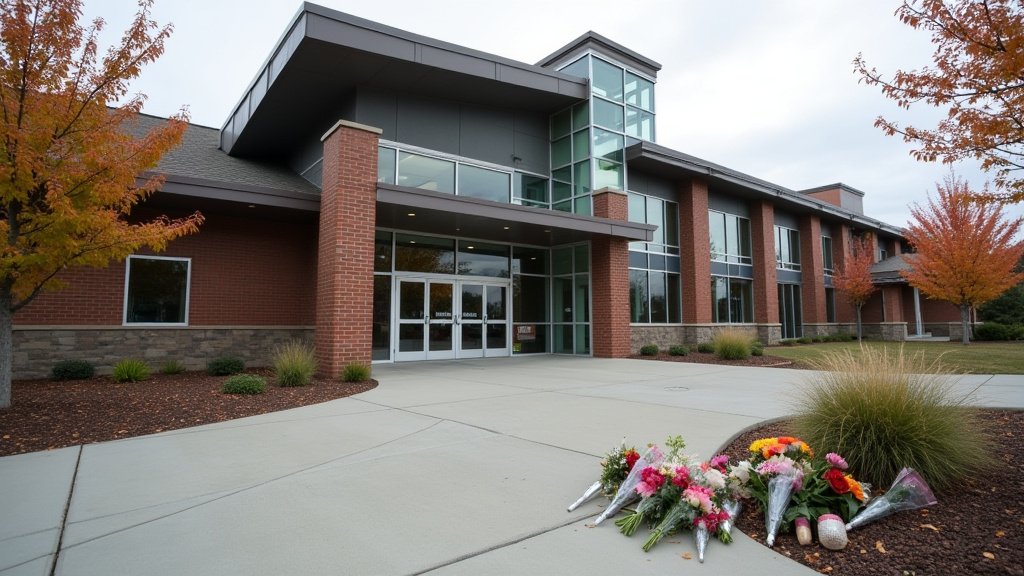
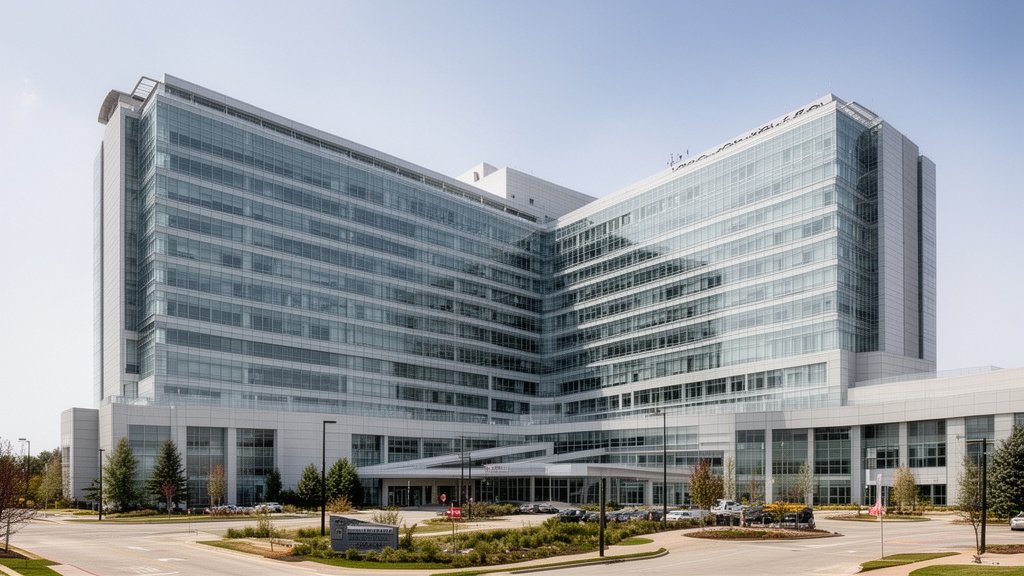
Two students sustained multiple gunshot wounds near the North Carolina Central University (NCCU) campus in Durham, North Carolina, triggering an immediate and active police investigation. The incident, which occurred in the vicinity of the university, has sent shockwaves through the local community and highlighted ongoing concerns regarding safety at urban-integrated educational institutions. Durham Police Department (DPD) officials have confirmed the victims are students, though specifics regarding the timeline of the attack and the status of the investigation remain fluid as detectives work to secure evidence.
Key Highlights
- Incident Overview: Two students were shot multiple times in an area adjacent to the North Carolina Central University campus.
- Investigation Status: The Durham Police Department has launched an active investigation and is currently processing evidence from the scene.
- Campus Response: NCCU administration and campus security are coordinating with local authorities to assess the impact on student safety and security protocols.
- Victim Status: While details are limited, the incident has prompted a heightened security presence in the immediate area to ensure the safety of the student body.
Examining the Safety Crisis at Urban Campuses
The shooting of two students near North Carolina Central University serves as a stark reminder of the complexities inherent in managing security for open, urban-integrated campuses. Unlike enclosed, gated universities, institutions like NCCU are deeply woven into the fabric of the surrounding city. This proximity to public thoroughfares and neighborhoods often creates a permeable border, making the distinction between “campus property” and “city streets” blur, complicating jurisdiction and threat mitigation for both university police and municipal law enforcement.
The Intersection of City and Campus Law Enforcement
In the wake of this shooting, a primary question for many observers is how jurisdiction is handled when crimes occur on the periphery of campus grounds. The Durham Police Department (DPD) and the NCCU Police Department often operate in a collaborative ecosystem, yet this incident underscores the logistical difficulty of monitoring high-traffic residential and commercial zones that students frequently traverse.
Experts in campus security suggest that for universities situated in vibrant, bustling cities, the security strategy must move beyond static guard posts. It requires a ‘hub-and-spoke’ model, where surveillance technology, such as real-time license plate readers and upgraded street lighting, acts as a force multiplier. The current investigation likely involves a review of both private and municipal security camera footage, which is the cornerstone of modern criminal investigations in urban settings.
Psychological and Academic Impact on Students

Beyond the immediate physical danger, incidents of gun violence near HBCU (Historically Black Colleges and Universities) campuses carry significant emotional weight. The feeling of safety is a primary prerequisite for academic excellence. When that safety is compromised, the psychological toll—often manifesting as anxiety or hyper-vigilance—can disrupt the educational experience.
University leadership is often forced to balance open-campus accessibility with the necessary “fortress” mentality required to deter crime. The challenge is preserving the welcoming, historic nature of an HBCU environment while implementing restrictive measures like increased patrolling or controlled access points. This shooting will undoubtedly accelerate discussions among university stakeholders regarding which security investments are both effective and sustainable.
Historical Context of Durham Violence
Durham, like many mid-sized American cities, has grappled with shifts in crime patterns over the past decade. While downtown revitalization projects have spurred economic growth, the outskirts of these zones often face lagging development and sporadic spikes in criminal activity. The NCCU area specifically has been a focal point for various community development initiatives aimed at curbing violence and providing alternatives for local youth. This incident is a setback for those initiatives, underscoring that policy-level interventions must be synchronized with immediate, tactical policing efforts.
Future Predictions and Community Resilience
Moving forward, it is highly probable that the DPD will increase visible patrol units in the immediate area surrounding NCCU in the coming weeks. Such a move is standard operating procedure following high-profile violent incidents. However, long-term solutions will require deeper engagement. We can anticipate community town halls where residents, students, and city council members will debate the balance of budget allocations between social programs and law enforcement.
The resilience of the NCCU student body is well-documented, but incidents like this place an undue burden on students to advocate for their own safety. The next phase of this narrative will likely focus on whether the university can leverage state funding to enhance its perimeter security or if the city of Durham must commit to a dedicated task force for the university district.
FAQ: People Also Ask
Is the North Carolina Central University campus currently under lockdown?
As of the latest reports from Durham authorities, there is no active lockdown on the campus itself. However, students are being urged to remain vigilant and report any suspicious activity to both NCCU Police and the Durham Police Department.
How are the injured students doing?
The Durham Police Department has not released specific medical bulletins regarding the victims’ current conditions, maintaining privacy out of respect for the families involved. Updates are expected as the investigation progresses.
What measures are being taken to prevent future incidents?
The DPD and university administration are actively reviewing security camera footage and increasing patrol frequency in the perimeter areas. Additionally, students are encouraged to utilize university-provided escort services when moving through the area at night.
Who should students contact if they have information?
Anyone with information regarding this incident is urged to contact the Durham Police Department directly. Tips can often be submitted anonymously through local crime-stoppers programs, which protect the identity of callers.