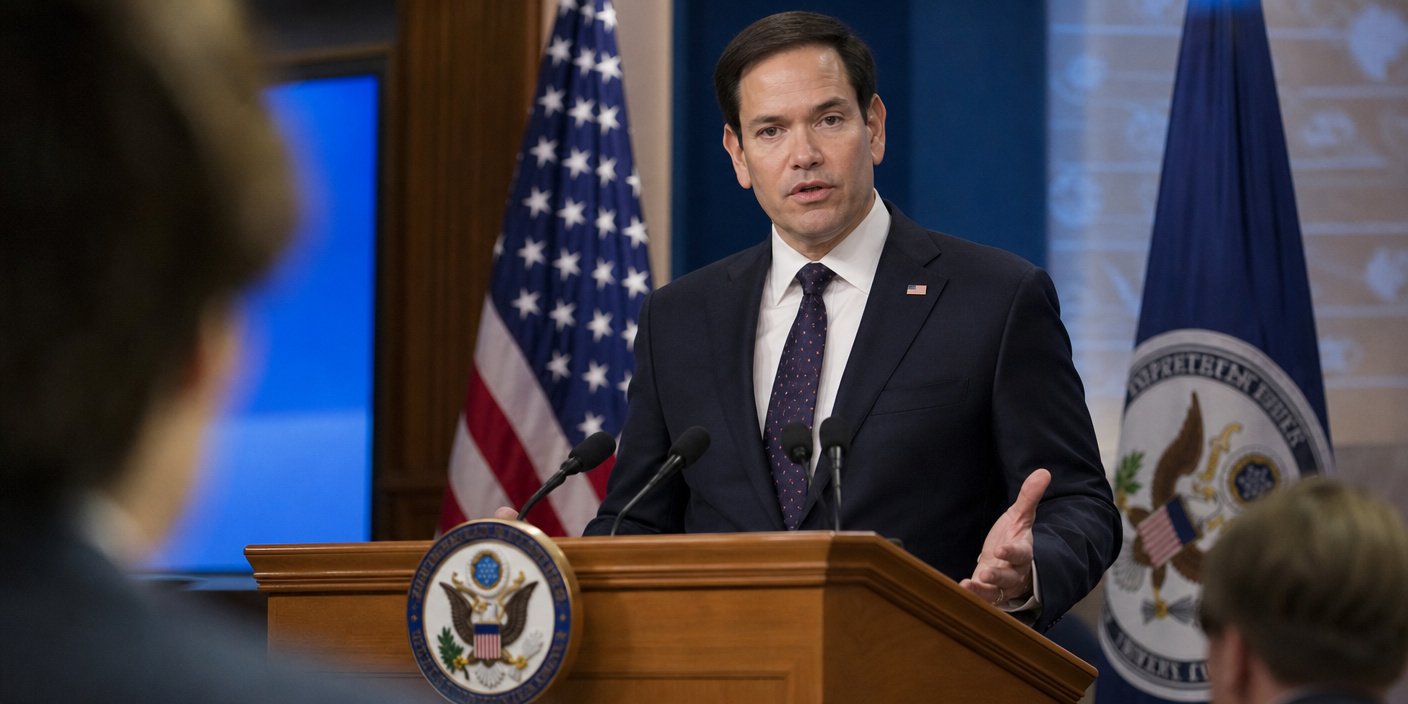
Health Secretary Robert F. Kennedy Jr. has unveiled a new initiative aimed at reducing the widespread reliance on antidepressant medications in the United States, signaling a significant shift in public health policy.
Key Highlights:
- Focus on reducing antidepressant prescriptions.
- Emphasis on alternative and complementary therapies.
- Collaboration with mental health professionals and patient advocacy groups.
- Aim to address root causes of mental health conditions.
- Commitment to evidence-based, patient-centered care.
Rethinking Mental Health Treatment: A New Direction
The Department of Health, under the leadership of Secretary Robert F. Kennedy Jr., is embarking on a bold new strategy to confront the escalating rates of antidepressant use across America. The initiative, details of which are still emerging, signals a potential departure from long-standing treatment paradigms that have heavily favored pharmacotherapy for a wide range of mental health conditions. Secretary Kennedy Jr.’s vision appears to prioritize a more holistic and nuanced approach, one that seeks to understand and address the underlying factors contributing to mental distress, rather than solely focusing on symptom management through medication.
The Rise of Antidepressants and Emerging Concerns




Over the past several decades, the prescription of antidepressants, particularly Selective Serotonin Reuptake Inhibitors (SSRIs), has surged dramatically. While these medications have proven beneficial for many individuals experiencing severe depression and anxiety, concerns have mounted regarding their overuse, potential side effects, and the long-term impact on public health. Critics and a growing body of research suggest that antidepressants are sometimes prescribed for conditions that might be better managed through other means, or that the underlying societal and environmental factors contributing to mental health challenges are being overlooked. This has led to a growing call for more diverse and integrated mental health care models.
Exploring Alternative and Complementary Therapies
Secretary Kennedy Jr.’s plan is expected to heavily emphasize the exploration and integration of alternative and complementary therapies. This could include a renewed focus on psychotherapy, such as Cognitive Behavioral Therapy (CBT) and Dialectical Behavior Therapy (DBT), which have robust evidence supporting their efficacy. Furthermore, the initiative may champion non-pharmacological interventions like mindfulness, meditation, exercise, nutrition, and potentially even psychedelic-assisted therapies, which are gaining traction in research settings for their therapeutic potential. The goal is to equip individuals with a broader toolkit of coping mechanisms and treatment options, empowering them to choose pathways that best suit their individual needs and circumstances.
Addressing the Root Causes: A Holistic Approach
A central tenet of this new strategy appears to be a commitment to addressing the root causes of mental health conditions. This involves looking beyond individual biology and symptoms to consider the broader social determinants of health. Factors such as poverty, systemic inequality, trauma, environmental stressors, and lack of access to supportive communities can significantly impact mental well-being. Secretary Kennedy Jr.’s department may seek to foster inter-agency collaborations to tackle these complex issues, recognizing that mental health is inextricably linked to overall societal health. This could involve partnerships with housing authorities, educational institutions, and community organizations.
Collaboration and Patient-Centered Care
The success of such an ambitious initiative hinges on robust collaboration. The Department of Health is likely to engage closely with a wide array of stakeholders, including mental health professionals, researchers, patient advocacy groups, and pharmaceutical companies. The emphasis will be on fostering an environment where treatment decisions are made collaboratively between patients and their healthcare providers, ensuring that individuals are fully informed about all available options, including the potential benefits and risks of both medication and non-medication approaches. Patient-centered care, where the individual’s values, preferences, and unique circumstances guide treatment, is expected to be a cornerstone of this new policy.
FAQ: People Also Ask
What is the main goal of the new initiative announced by Health Secretary Robert F. Kennedy Jr.?
The main goal is to reduce the over-reliance on antidepressant medications in the United States and promote a more comprehensive, holistic approach to mental health treatment that includes alternative therapies and addresses root causes.
What are some alternative therapies that might be promoted under this plan?
Potential alternative therapies include psychotherapy (like CBT and DBT), mindfulness, meditation, exercise, nutritional interventions, and possibly even exploring the therapeutic use of certain psychedelics, depending on research and regulatory developments.
Why is there a concern about the current levels of antidepressant use?
Concerns stem from potential overuse, side effects, the possibility of antidepressants being prescribed for conditions better treated otherwise, and the risk of overlooking underlying societal and environmental factors contributing to mental distress.
Who will be involved in implementing this new mental health strategy?
Implementation will likely involve close collaboration between the Department of Health, mental health professionals, researchers, patient advocacy groups, community organizations, and potentially other government agencies.