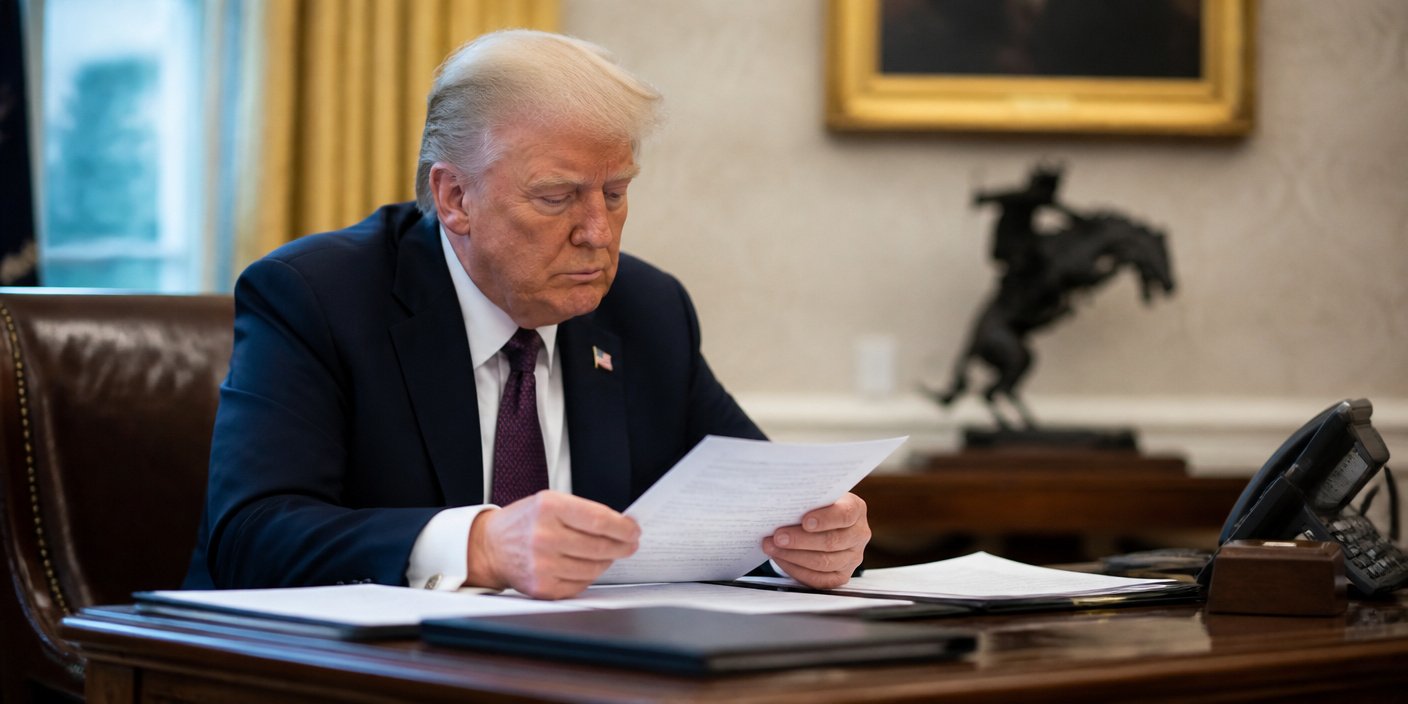
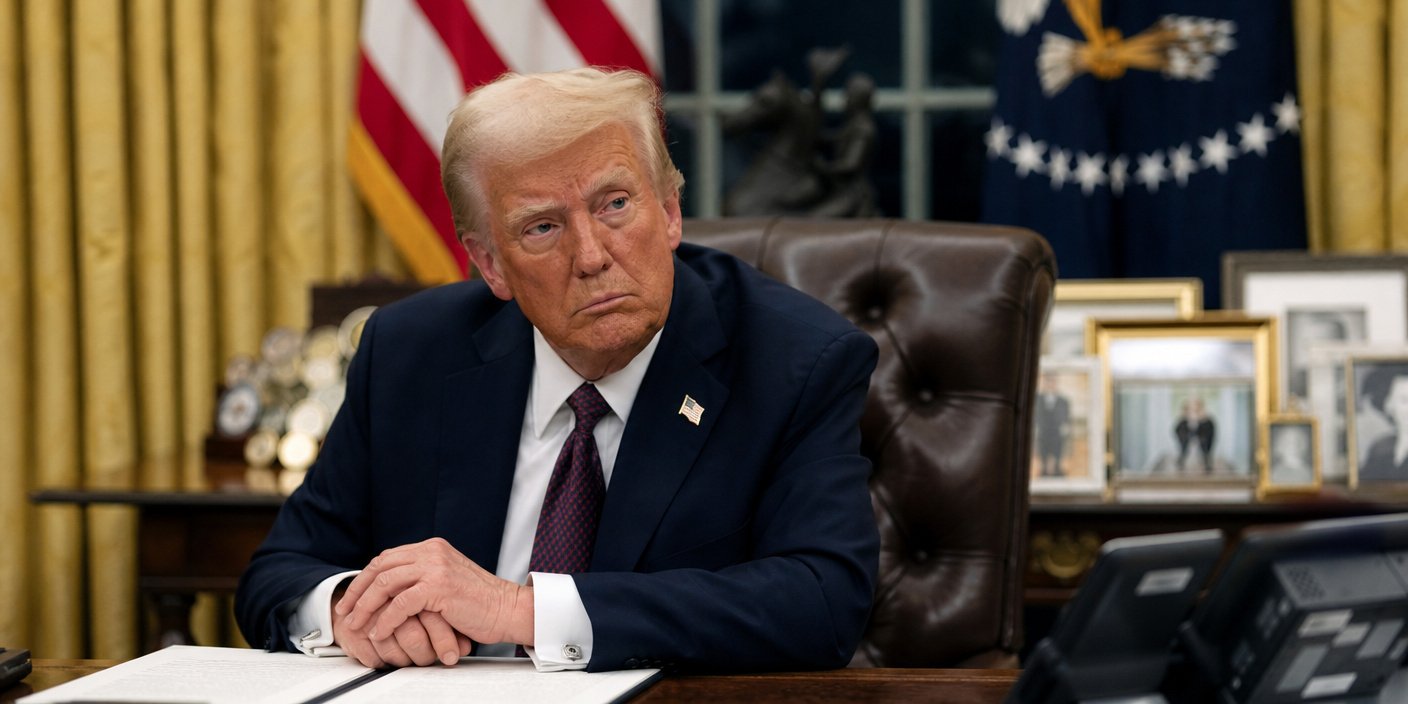
In a move poised to significantly impact the global film industry and international production practices, US President Donald Trump has announced a substantial proposed measure. Citing both inherent national security concerns and his assessment of the current state and decline of the American film industry, President Trump revealed ambitious plans to implement a dramatic 100% tariff on foreign films. This proposed measure, one of the most assertive trade actions potentially targeting a specific cultural industry, is openly intended to address the phenomenon of US filmmakers and studios seeking production opportunities outside the United States. The announcement specifically highlights the administration’s focus on economic nationalism and its determination to employ potent trade policy tools to steer the location decisions of major film and television productions. The President’s declaration underscores a desire to prioritize domestic creative industries and labor, encapsulated by his direct statement regarding the proposal’s ultimate aim. [5]
The Scope of the Proposed 100% Tariff



The central mechanism of President Trump’s initiative is the imposition of a steep and potentially prohibitive 100% tariff on foreign films. This means that, should the measure be enacted, the cost associated with importing films produced in other countries for distribution or exhibition within the United States market would, in principle, be doubled by this significant tax. Tariffs function as import duties, making foreign goods or services more expensive relative to domestic alternatives, thereby intended to boost local production and consumption. The proposed 100% rate is notable for its magnitude; standard tariffs, when applied, are typically set at much lower percentages. This exceptionally high proposed rate suggests a clear intent to act as a powerful economic barrier, creating a significant disincentive for US distributors and exhibitors to acquire or showcase cinematic works originating from abroad. The measure targets what the administration identifies as a key area of economic activity that has shifted away from the US.
Rationale: National Security and Industry Challenges
The President provided two principal justifications for proposing this stringent 100% tariff: overarching national security concerns and the perceived decline of the American film industry. While the specific details outlining the connection between foreign films and national security concerns were not extensively elaborated upon within the announcement, this justification aligns with the administration’s broader use of national security as a basis for imposing tariffs and trade restrictions across various sectors. The asserted decline of the American film industry, however, points more directly to economic and structural shifts within the global entertainment landscape. This suggests a concern that the US film sector, long considered a dominant global force, is facing challenges related to production volume, investment levels, and employment opportunities within the United States, prompting the need for interventionist policy to reverse this trend.
Addressing Global Production Incentives
A stated primary motivation behind the proposed 100% tariff is the explicit desire to counter incentives provided by other countries. The announcement specifically cited nations such as Canada and the UK as prominent examples of where these incentives draw significant US film production. Countries worldwide strategically utilize tax credits, rebates, subsidies, and other financial inducements to attract international film and television projects. These incentives can substantially lower the overall cost of production, making locations outside the US financially more attractive for major studios and independent producers alike. The practice has become a significant factor in global film economics, leading many projects that might traditionally have been filmed in Hollywood or other parts of the US to be shot partially or entirely abroad. The administration views these foreign incentives as directly undermining the competitiveness of the American film production sector.
The Consequence: Decreased Production in Hollywood
The direct result of these foreign incentives, according to the administration’s perspective, is decreased production in Hollywood and other US filming locations. When production moves overseas, it translates into a significant loss of economic activity within the United States. This includes fewer jobs for the vast workforce of actors, directors, writers, crew members, and technicians who are typically employed on film sets. It also means less business for the extensive network of support industries, such as equipment rental houses, sound stages, post-production facilities, visual effects companies, caterers, and transportation services, all of which constitute the robust ecosystem of the American film industry. The proposed 100% tariff is intended to disrupt the economic calculus that favors filming abroad, aiming to make it more economically viable and attractive for US productions to remain stateside, thereby reversing the trend of decreased production in Hollywood.
The Core Objective: Bringing Production Home
The overarching and clearly articulated goal driving this proposal is captured in the President’s own words: Trump stated, “We want movies made in the United States!”. This succinct declaration leaves little ambiguity about the administration’s fundamental objective. The proposed 100% tariff is presented as a powerful lever intended to force a shift in global production patterns, compelling US studios and filmmakers to prioritize domestic filming locations. By significantly increasing the cost of bringing films produced using foreign incentives back into the lucrative US market, the policy aims to make production in the United States the most economically sensible option. The ultimate vision is to revitalize the domestic film industry, boost employment within the sector, and ensure that a greater share of global filmmaking activity takes place within American borders, aligning with the administration’s broader “America First” economic policies.
Conclusion: Aims and Potential Implications
US President Donald Trump’s announcement proposing a 100% tariff on foreign films signals a potentially transformative policy intervention targeting the global entertainment industry. Driven by stated national security concerns and observations regarding the decline of the American film industry, the measure is explicitly framed as a direct response to counter incentives provided by other countries, such as Canada and the UK, which have demonstrably contributed to decreased production in Hollywood. The clear and direct objective, as articulated by President Trump himself, is unambiguous: “We want movies made in the United States!”. This proposal, if implemented, represents a significant use of trade policy to influence the location of creative industry production. While the process for enacting such a tariff and its precise economic and cultural consequences remain subjects requiring further detailed analysis and potential debate, the announcement forcefully highlights the administration’s commitment to leveraging economic tools to champion and potentially mandate the resurgence of domestic film production. [5]