The United States unleashed a series of strikes on Iran on Sunday, July 12, 2026, in direct response to an Iranian assault on a container ship in the Strait of Hormuz that left the vessel ablaze and one crew member missing. U.S. military officials confirmed the strikes were targeted at Iranian missile and air defense systems, as well as paramilitary Revolutionary Guard boats. This significant escalation occurs as the U.S. and Iran are nearing the halfway mark of a 60-day interim agreement intended to pave the way for a permanent cessation of hostilities.
Key Highlights:
- U.S. conducted multiple waves of strikes on Iran on Sunday, July 12, 2026.
- Retaliation follows an Iranian attack on a container ship in the Strait of Hormuz on Saturday, July 11, 2026.
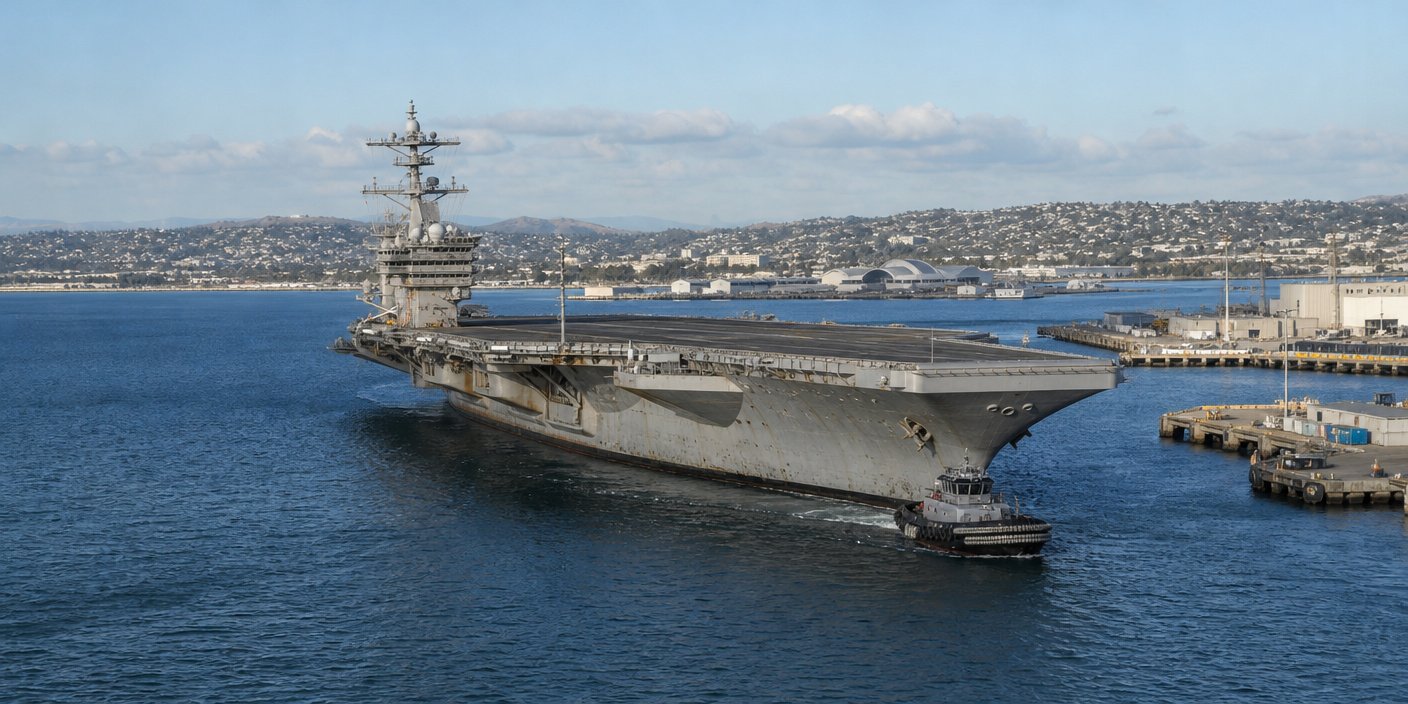
- Strikes targeted Iranian missile, air defense systems, and Revolutionary Guard boats.
- The incident heightens tensions amid a crucial interim peace deal nearing its midpoint.
Escalation Over Strategic Waterway
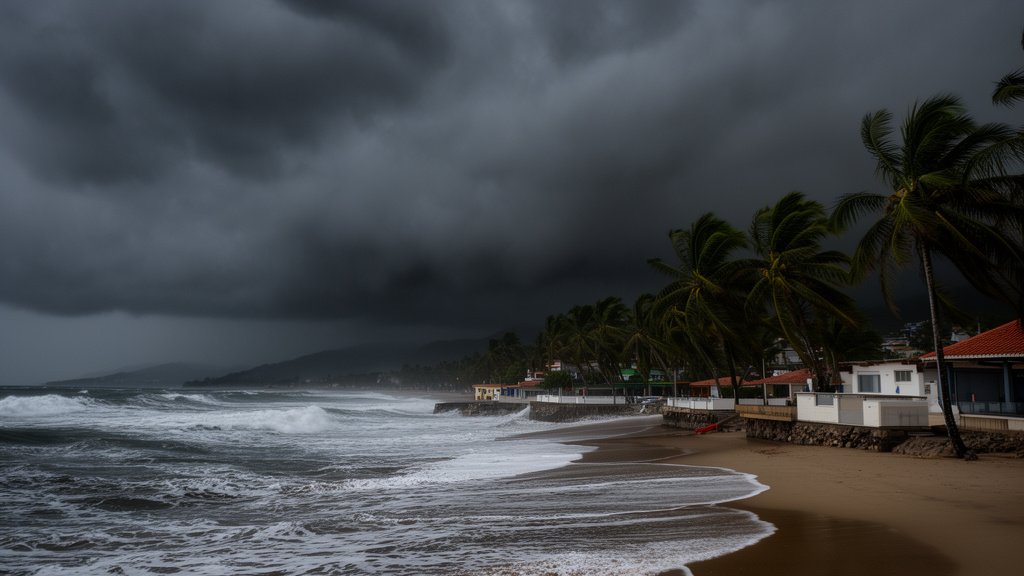
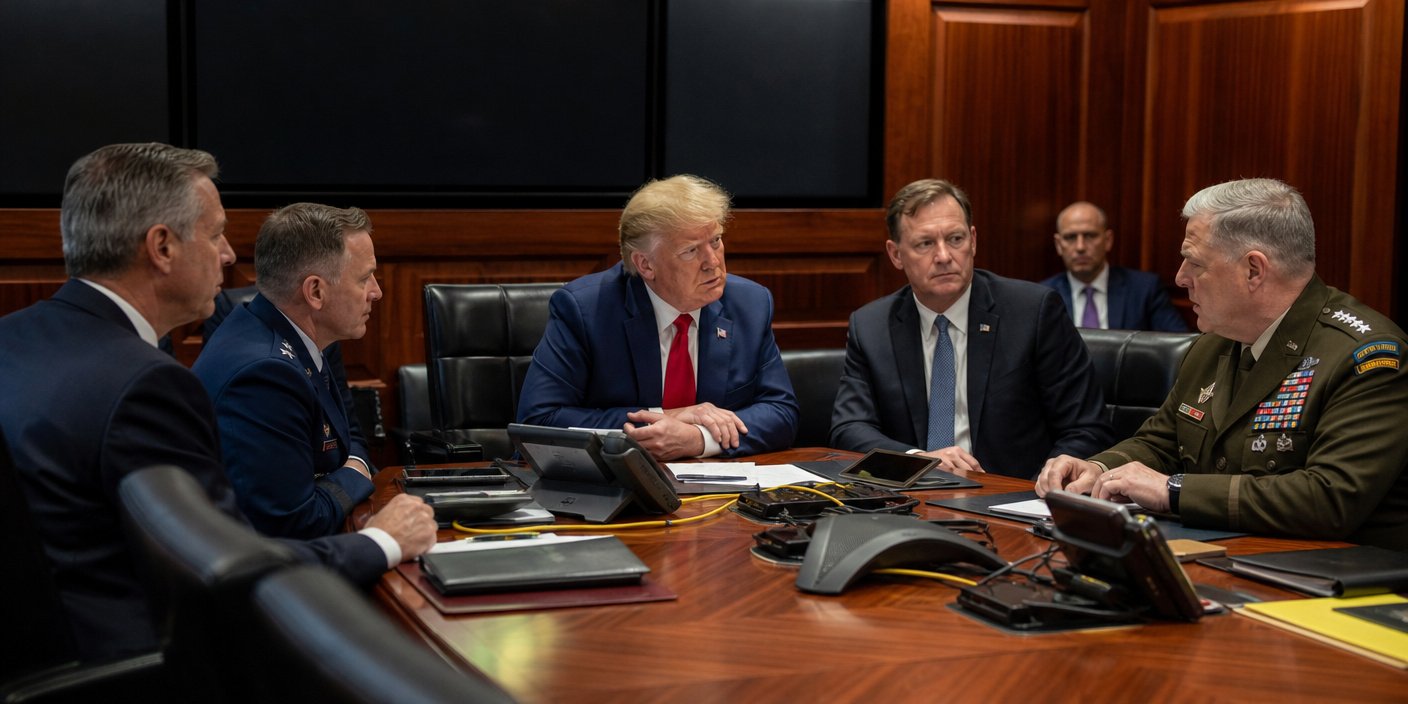
The Strait of Hormuz, an indispensable chokepoint for global oil and natural gas transit, has become a focal point of the escalating standoff. President Trump characterized the U.S. strikes as “heavy,” telling NBC’s “Meet the Press” that “We bombed the hell out of them last night.” In the aftermath, Iran’s Revolutionary Guard reported the death of a navy officer. The initial incident on Saturday, July 11, involved an Iranian strike that damaged an Indian-flagged vessel and resulted in one crew member being unaccounted for. Earlier U.S. military statements indicated that prior operations had targeted approximately 140 sites within Iran, including facilities for launching missiles and drones, ammunition depots, and communication infrastructure.
The Contested Strait of Hormuz
The strategic importance of the Strait of Hormuz cannot be overstated. It is the narrowest point of the Persian Gulf, through which approximately 30% of the world’s seaborne oil passes daily. Its control and security have long been a source of friction between Iran and the international community, particularly the United States. The recent exchange of aggression underscores the fragility of the ongoing peace negotiations and the potential for even minor incidents to trigger severe military responses. Both nations are reportedly invested in reaching a permanent peace deal, but the events of July 11th and 12th demonstrate the significant challenges that remain.
Impact on Peace Negotiations


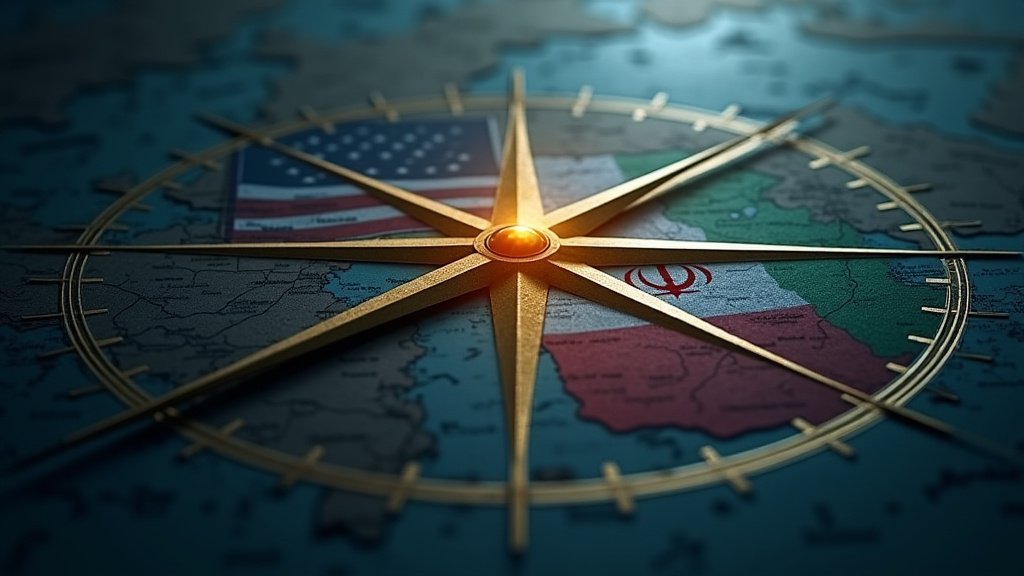
The timing of this escalation is particularly critical, as the U.S. and Iran approach the midway point of a 60-day interim deal. This agreement, designed to de-escalate tensions and create a framework for lasting peace, now faces renewed pressure. The successful negotiation of such a deal requires a sustained period of calm and mutual trust, which has been severely undermined by the recent military actions. Analysts are closely watching to see if this incident will derail the negotiation process or, conversely, spur a more urgent commitment to finding a diplomatic resolution.
Revolutionary Guard’s Role
Iran’s Islamic Revolutionary Guard Corps (IRGC) plays a significant role in the country’s military and strategic operations, particularly in the Persian Gulf region. The targeting of IRGC boats and air defense systems by the U.S. indicates a direct confrontation with a key element of Iran’s military apparatus. The IRGC has been a central actor in many of the regional conflicts and has been subject to international sanctions. Its involvement in the attack on the container ship and the subsequent reported casualty highlights its active participation in the current escalatory cycle.
U.S. Military Objectives
The U.S. military’s stated objective in launching the strikes was to degrade Iran’s capabilities to launch further attacks and to deter future aggression. The targeting of missile and air defense systems, as well as IRGC boats, suggests a strategy aimed at neutralizing immediate threats and signaling a strong resolve to protect maritime traffic. The previous mention of striking “140 targets” indicates a systematic and extensive campaign to dismantle Iran’s offensive infrastructure. The efficacy and long-term consequences of these strikes on Iran’s military posture remain to be seen.
FAQ: People Also Ask
What triggered the U.S. strikes on Iran?
The U.S. strikes were a direct response to an Iranian attack on a container ship in the Strait of Hormuz on Saturday, July 11, 2026, which caused a fire and left one crew member missing.
When did these events occur?
The U.S. launched its retaliatory strikes on Sunday, July 12, 2026. The Iranian attack on the container ship happened on Saturday, July 11, 2026.
What specific Iranian assets were targeted by the U.S.?
The U.S. military stated that the strikes targeted missile and air defense systems and paramilitary Revolutionary Guard boats.
What is the significance of the Strait of Hormuz?
The Strait of Hormuz is a critical maritime route, essential for the transport of oil and natural gas, making it a contentious issue in regional and international negotiations.
How close are the U.S. and Iran to a permanent peace deal?
The two nations are nearing the midway point of a 60-day interim deal aimed at achieving a permanent end to the war, making the recent escalation particularly impactful on the negotiation timeline.