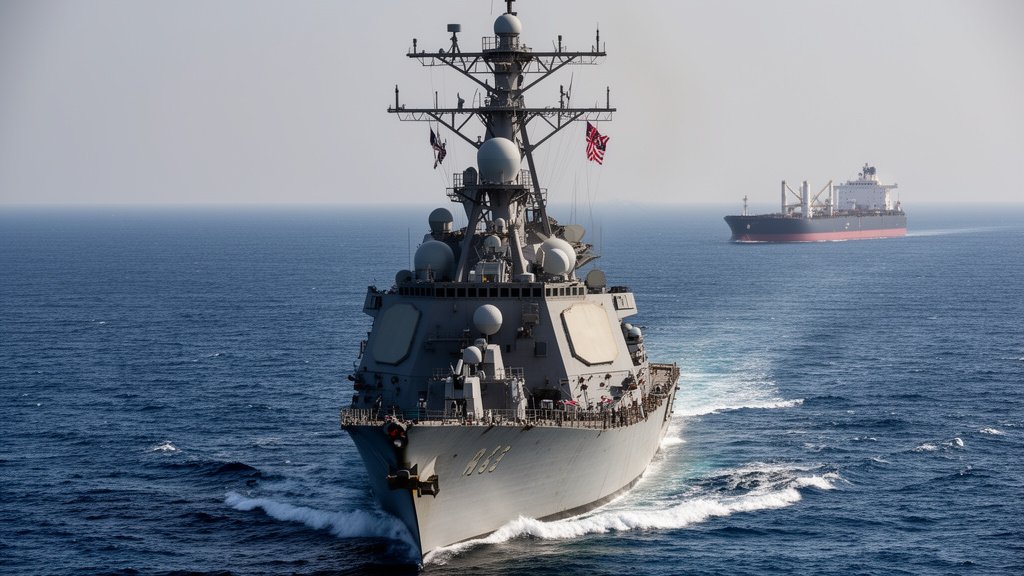
A high-ranking official within the Trump administration has resigned, citing deep disagreements over the escalating rhetoric and potential military action against Iran. The former official, who spoke on condition of anonymity to The Associated Press, asserted that there was no imminent threat justifying a war.
Key Highlights:
- A senior Trump administration official has resigned.
- The resignation stems from profound disagreements regarding Iran policy.
- The official cited a lack of an imminent threat as the primary reason for their departure.
- This resignation adds to growing concerns about the administration’s foreign policy approach.
Shadow Diplomacy and Discontent: Inside the Iran Policy Rift
The corridors of power in Washington D.C. are often filled with hushed conversations and strategic maneuvering, but the recent departure of a key Trump administration official over Iran policy has brought these internal tensions into stark relief. The unnamed official, a significant figure within the national security apparatus, tendered their resignation, reportedly driven by a fundamental disagreement with the administration’s increasingly hawkish stance towards Tehran. In a move that sent ripples through the capital, the official is said to have argued forcefully that the intelligence did not support the narrative of an imminent threat, a cornerstone of the administration’s justification for heightened military readiness and aggressive posturing in the Persian Gulf.
The Intelligence Disconnect



The core of the dispute, according to sources close to the matter, lies in the interpretation of intelligence regarding Iran’s capabilities and intentions. While proponents of a more aggressive policy pointed to alleged hostile actions and a perceived expansionist agenda, the resigning official, along with a faction within the intelligence community, maintained that these actions did not constitute an immediate casus belli. This divergence in assessment highlights a critical challenge in foreign policy decision-making: bridging the gap between raw intelligence and political imperatives. The official’s departure suggests a significant rift, where the perceived evidence of threat was insufficient to warrant the drastic measures being contemplated, including the potential for military engagement.
The Cost of Escalation
Beyond the immediate geopolitical implications, the decision to contemplate military action against Iran carries immense economic and human costs. The official’s concerns likely extended to the devastating impact such a conflict would have on regional stability, global energy markets, and international relations. A full-blown war would not only be catastrophic for the Iranian people but could also destabilize neighboring countries, fuel extremist ideologies, and trigger a severe global economic downturn. The economic consequences alone, including disruptions to oil supplies and massive reconstruction costs, would be staggering. Furthermore, the human toll, both in terms of military casualties and civilian suffering, is a somber consideration that appears to have weighed heavily on the resigning official’s conscience.
Historical Parallels and Future Trajectories
This resignation echoes historical moments where dissenting voices within administrations have raised alarms about potentially disastrous foreign policy choices. The lead-up to the Iraq War, for instance, was marked by similar debates over intelligence assessments and the justification for military intervention. The current situation with Iran, while distinct in its specifics, shares a common thread of powerful interests pushing for military solutions against a backdrop of ambiguous threats. The official’s principled stand, even at the cost of their position, serves as a stark reminder of the importance of critical thinking and ethical considerations in matters of war and peace. Their resignation may embolden other voices of caution within the administration and signal a growing unease about the direction of U.S. foreign policy in the Middle East.
The President’s Circle and Foreign Policy Advisors
The administration’s foreign policy is often characterized by a tight inner circle of advisors who hold significant sway over the President’s decisions. In the case of Iran, figures known for their hawkish views have often been prominent. The departure of an official who differed with this prevailing sentiment suggests a complex internal dynamic, where differing opinions may struggle to gain traction. Understanding the influence of key advisors, such as National Security Advisor John Bolton (during a relevant period) or Secretary of State Mike Pompeo, is crucial to grasping the policy debates surrounding Iran. These individuals, with their distinct perspectives and policy preferences, play a pivotal role in shaping the administration’s approach to international crises.
FAQ: People Also Ask
Why did the Trump administration consider military action against Iran?
The Trump administration cited several reasons for considering military action against Iran, including Iran’s alleged support for militant groups in the region, its nuclear program, and specific incidents such as attacks on oil tankers and a downed U.S. drone. Proponents of a stronger stance argued that Iran’s destabilizing activities required a firm response to deter further aggression.
What does ‘imminent threat’ mean in foreign policy?
In foreign policy and international law, an ‘imminent threat’ refers to a danger that is immediate, clear, and present, requiring prompt action to prevent harm. The interpretation of what constitutes an ‘imminent threat’ can be subjective and is often a point of contention in debates over military intervention.
What are the economic consequences of a potential war with Iran?
A war with Iran could have severe economic consequences, including significant disruptions to global oil supplies, leading to soaring energy prices. It could also result in increased defense spending, potential sanctions impacting international trade, and substantial costs for reconstruction and long-term regional stabilization.
How might this resignation impact U.S. policy towards Iran?
This resignation could signal a growing internal dissent regarding the administration’s Iran policy. It might embolden other officials to voice concerns or lead to a re-evaluation of the intelligence assessments driving the aggressive posture. However, the ultimate impact depends on the President’s receptiveness to differing viewpoints and the influence of other advisors.