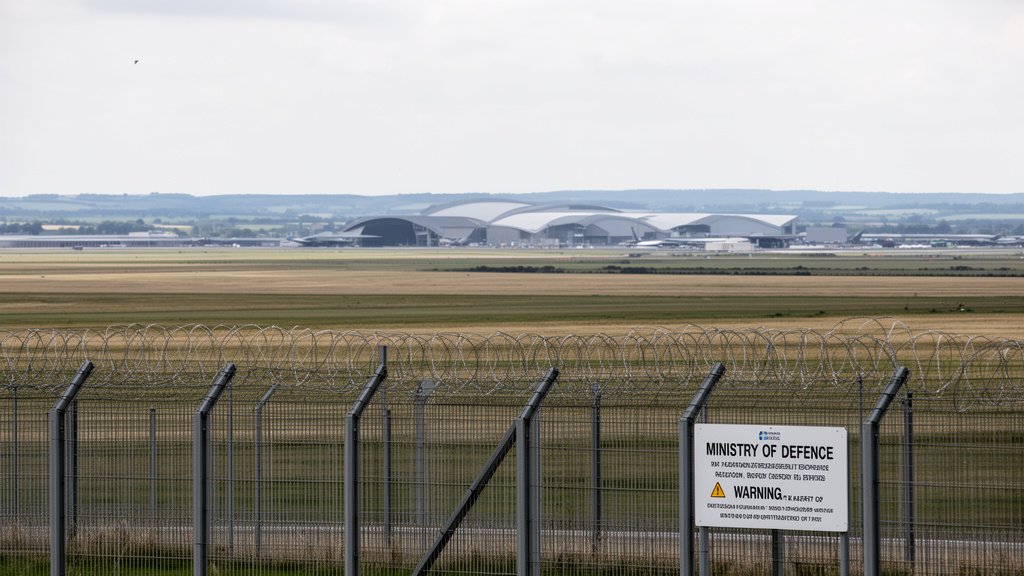
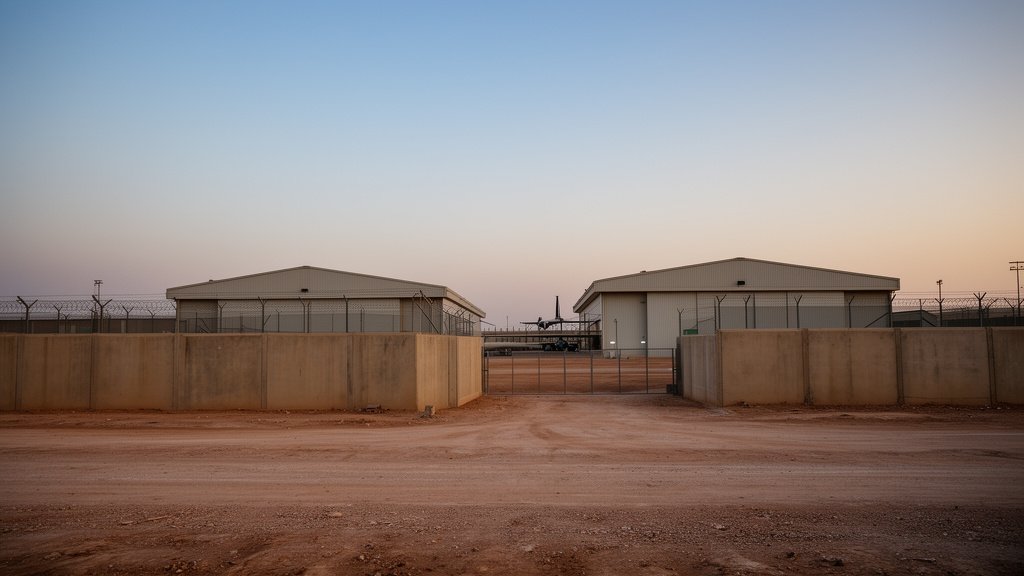
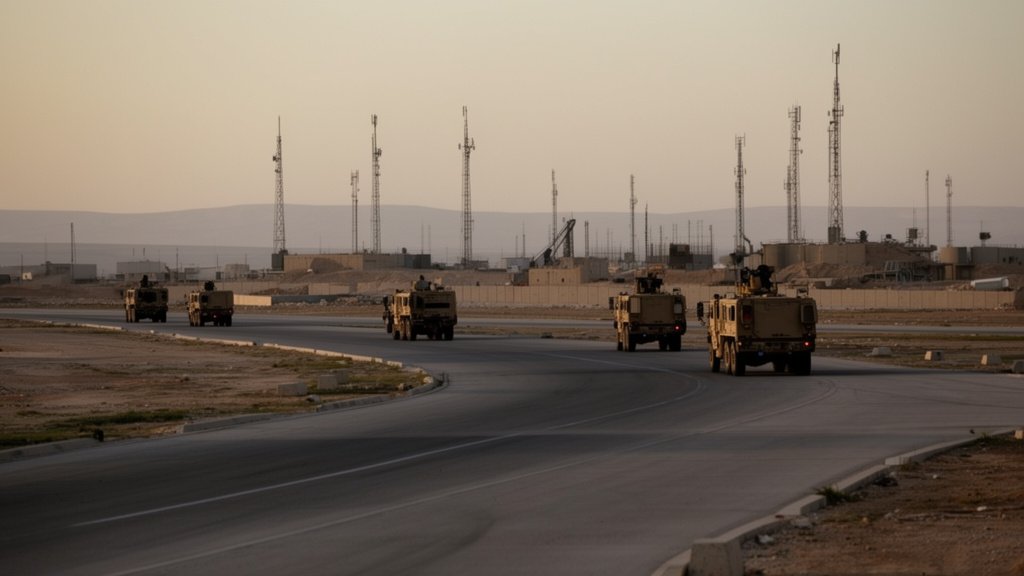
The conflict between Ukraine and Russia reached a volatile new inflection point on August 16, 2026, as Ukraine launched one of its largest aerial operations of the war to date. The offensive, characterized by a massive deployment of drone swarm technology, successfully penetrated deep into Russian territory, resulting in at least six confirmed fatalities and widespread alarm across the border regions. The sheer scale of the operation marks a significant tactical shift in how the Ukrainian Armed Forces are leveraging asymmetric warfare to project power and disrupt Russian logistical chains.
Key Highlights
- Unprecedented Drone Offensive: Ukraine executed a massive, coordinated aerial operation targeting Russian territory on August 16, 2026.
- Casualties Confirmed: Official reports confirm at least six deaths within Russia as a direct result of the drone strikes.
- Retaliatory Strikes: Russia launched immediate, large-scale missile attacks against Ukrainian cities, with heavy impacts reported in Kryvyi Rih and Sumy.
- Strategic Escalation: This exchange underscores a dramatic intensification of aerial combat, raising concerns about the potential for further regional instability.
The Anatomy of a New Aerial Escalation
The events of August 16, 2026, represent a grim milestone in the ongoing conflict, highlighting an evolution in military doctrine where low-cost, high-volume drone swarms are now capable of bypassing sophisticated defensive perimeters. The operation launched by Ukraine utilized a diverse array of unmanned aerial vehicles (UAVs) to overwhelm sensors and targeting systems deep within Russian borders. By saturating the airspace, the Ukrainian strategy successfully circumvented traditional anti-aircraft defenses, forcing a chaotic and deadly response on the ground. The resulting six fatalities, confirmed by local authorities, have sent a shockwave through the region, signaling that the safety of the Russian interior can no longer be taken for granted.
The Shift to Drone-Dominant Warfare
Military analysts have long theorized about the efficacy of drone swarms, but the events of mid-August provided a brutal case study in their application. Unlike traditional missile barrages, which are costly and easily tracked, the Ukrainian operation utilized persistent, coordinated, and autonomous or semi-autonomous units. This technological shift is fundamentally changing the calculus of air defense. The Russian Ministry of Defense faced significant challenges in intercepting the sheer volume of incoming threats, suggesting that current defense architectures are struggling to adapt to the speed of innovation on the battlefield. This is not merely a tactical victory for Ukraine; it is a demonstration of a new, sustainable mode of offense that forces Russia to reallocate significant resources from front-line efforts to domestic defense.
Retaliation: The Impact on Kryvyi Rih and Sumy



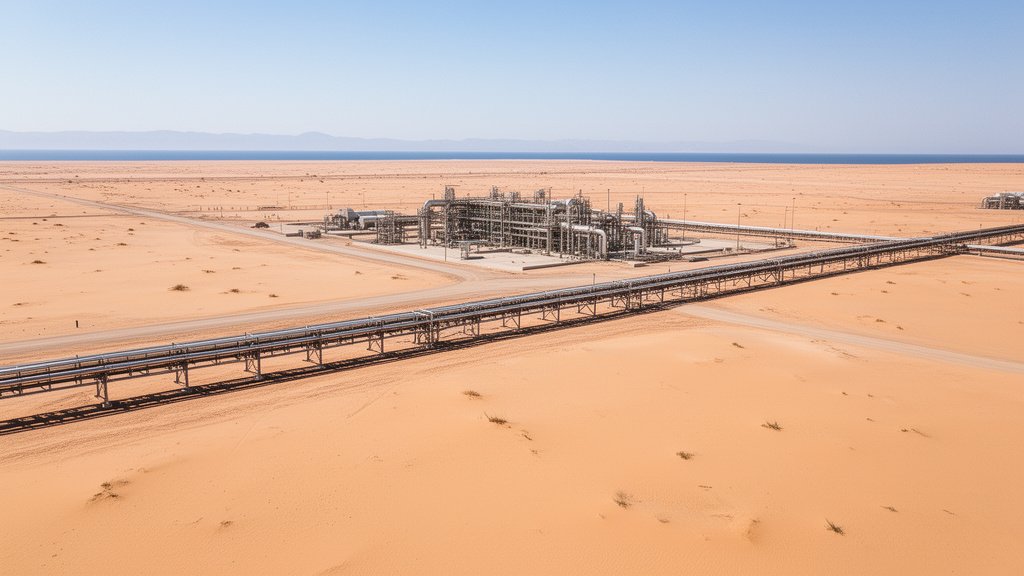
In the immediate aftermath of the drone offensive, the Russian response was rapid and concentrated. Military leadership targeted Ukrainian urban infrastructure with heavy cruise and ballistic missile strikes. The cities of Kryvyi Rih and Sumy bore the brunt of this retaliation. For the residents of these cities, the escalation represents a harrowing return to high-intensity urban warfare. Reports indicate that critical infrastructure and civilian residential zones were damaged, further compounding the humanitarian crisis. The logic of these strikes appears to be two-fold: an attempt to degrade Ukrainian military capability and a political signal to Kyiv that any drone offensive on Russian soil will be met with immediate, overwhelming force.
The Geopolitical Ripple Effect
Secondary to the immediate violence is the broader geopolitical impact. International observers are closely monitoring the potential for this incident to draw in further global interest. The use of long-range, high-impact drone technology suggests that the technical support provided to the Ukrainian Armed Forces has reached a new level of sophistication. This creates a delicate diplomatic tightrope; as the capacity for deep-strike operations increases, so does the risk of miscalculation. The international community remains on high alert, with diplomatic channels scrambling to assess whether this event signals a permanent change in the war’s scope or if there remains a narrow window for de-escalation.
Humanitarian Consequences and Economic Toll
The economic and humanitarian toll of this escalation cannot be overstated. With both nations now actively targeting deep-territory infrastructure, the long-term viability of energy grids, transport hubs, and supply chains is increasingly at risk. In Sumy and Kryvyi Rih, the missile strikes have disrupted essential services, forcing local populations to navigate yet another wave of instability. The psychological toll on citizens in these regions is profound, as the boundary between combat zones and civilian life continues to dissolve. Furthermore, the economic cost of replacing intercepted drones versus the cost of repairing damaged infrastructure creates a lopsided attrition war that threatens the long-term stability of the region’s economy.
FAQ: People Also Ask
Q: Why was this specific drone offensive considered one of the largest?
A: The operation was categorized as ‘massive’ due to the unprecedented number of units deployed simultaneously, which overwhelmed existing radar and air defense systems, allowing for deep penetration into Russian territory—a feat not achieved on this scale previously in the conflict.
Q: What is the current status of civilians in Kryvyi Rih and Sumy?
A: Following the retaliatory missile strikes on August 16, 2026, residents in these areas faced significant disruptions to utilities and infrastructure. Authorities have been focusing on emergency response, damage assessment, and ensuring the safety of those living near impacted zones.
Q: Does this signal the end of traditional air defense?
A: While it does not mark the end, it indicates that traditional, stationary air defense systems are becoming obsolete against high-volume, low-cost drone swarms. The future of warfare will likely require more agile, AI-driven counter-drone technology integrated into broader defensive grids.
Q: What are the broader risks of this escalation?
A: The primary risk is a ‘spiraling’ effect, where each side feels compelled to retaliate with increasing force, potentially leading to a broader regional conflict or the destruction of critical civilian infrastructure that could exacerbate the humanitarian crisis, affecting millions of non-combatants.