Skip to content
Trending
April 29, 2025Trump Marks 100 Days in Second Term at Michigan Rally Amid Tariff Fallout, Policy Debates November 20, 2025Devastating Russian Aerial Assault on Ternopil Kills 26, Injures Nearly 100 as World Watches October 22, 2025U.S. Appeals Court Greenlights Trump’s Command of Oregon National Guard, Deployment Remains Blocked August 23, 2025U.S. Eyes Uganda for Deportation of Salvadoran National Wrongfully Sent to El Salvador December 31, 20252025’s Defining Stories: A Year of Shifting Power, AI’s Ascent, and Global Trade Turmoil May 31, 2025Hamas Signals Positive Response to US Ceasefire Proposal, Insists on Permanent Truce and Israeli Withdrawal March 27, 2026Rubio at G7: High-Stakes Diplomacy Amid NATO Tensions August 23, 2025Phil Knight’s Historic $2 Billion Donation to OHSU Knight Cancer Institute Sets New Benchmark for American Cancer Research and Care February 9, 2025Trump’s Early Presidency: Poll Shows Positive Approval, Public Sees Promises Kept Amid Energetic Start August 16, 2025Alaska Summit Ends Abruptly: Trump and Putin Fail to Bridge Ukraine Divide
  • Home
  • Top Stories
  • National News
  • Health
  • Business
  • Tech & Innovation
  • Entertainment
  • Politics
  • Culture & Society
  • Crime & Justice
  • Editorial
  • Home
  • Top Stories
  • National News
  • Health
  • Business
  • Tech & Innovation
  • Entertainment
  • Politics
  • Culture & Society
  • Crime & Justice
  • Editorial
  • Blog
  • Forums
  • Shop
  • Contact
  Business  Warren Buffett Labels Trump Tariffs ‘Act of War’ Amid Escalating Trade Tensions, Market Sell-Off
Business

Warren Buffett Labels Trump Tariffs ‘Act of War’ Amid Escalating Trade Tensions, Market Sell-Off

Curtis BradleyCurtis Bradley—March 4, 20251
FacebookX TwitterPinterestLinkedInTumblrRedditVKWhatsAppEmail

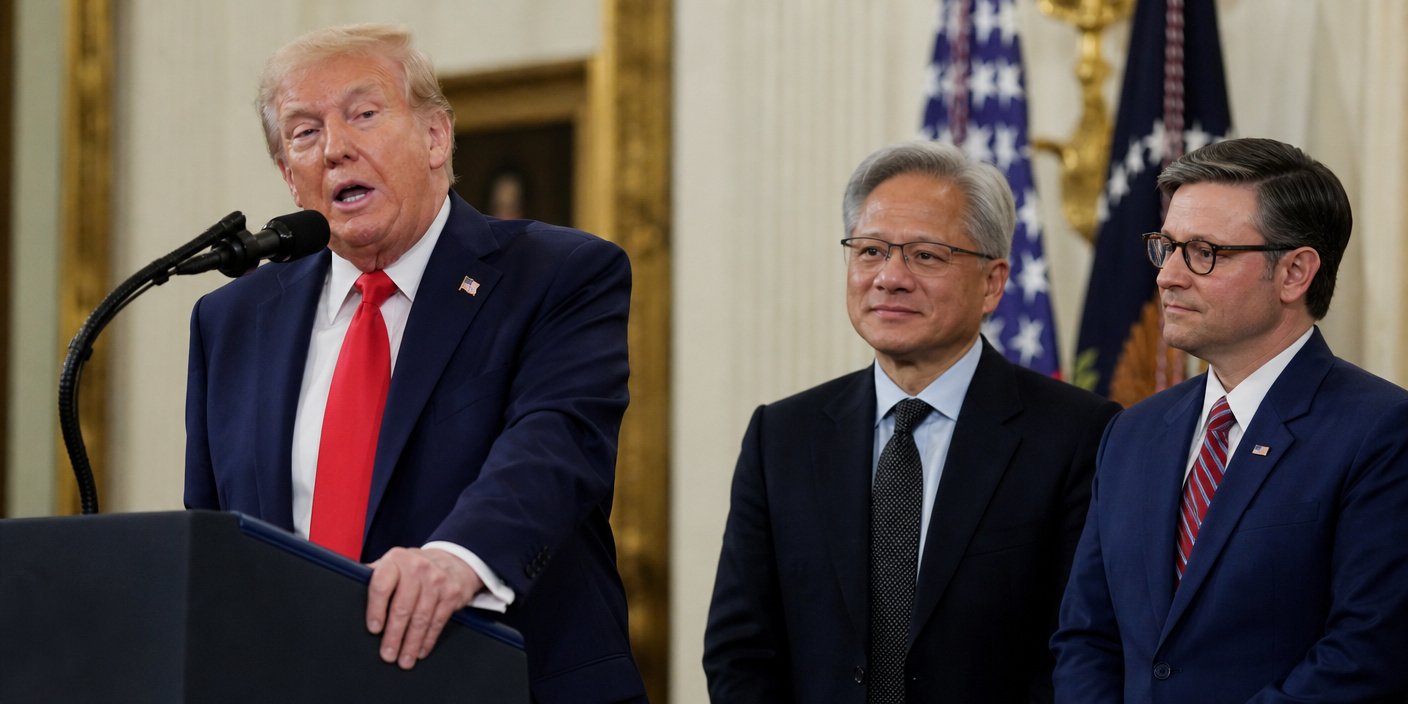
In a sharp rebuke of the Trump administration’s trade policies, legendary investor and CEO of Berkshire Hathaway, Warren Buffett, described President Donald Trump’s latest round of tariffs as “an act of war, to some degree.” Speaking in an interview with CBS News that aired Sunday, Buffett offered a stark assessment of the economic impact of imposing levies on goods from key trading partners, framing them as a direct tax on consumers.

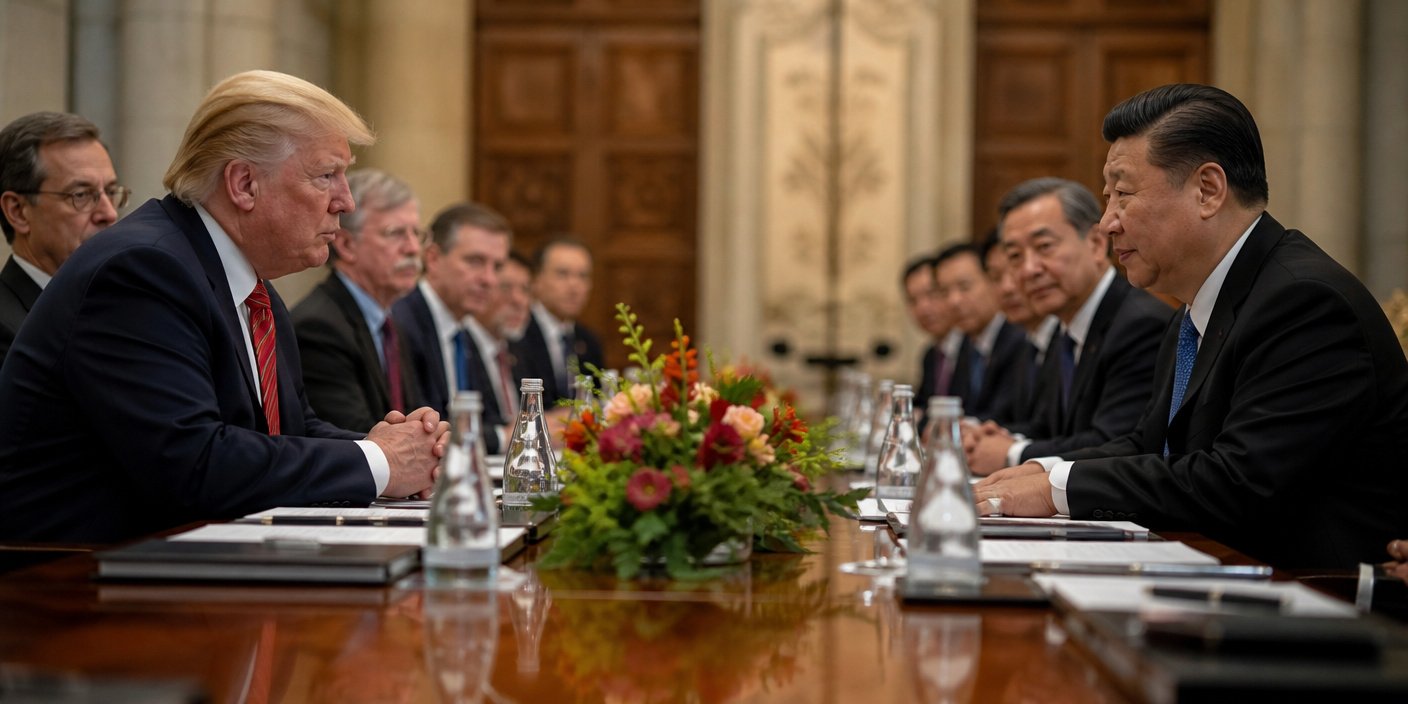
Buffett, often referred to as the “Oracle of Omaha” for his investment acumen, argued that tariffs function primarily as a tax on imported goods. This tax, he explained, is ultimately borne by consumers through higher prices for a wide range of products. His comments arrive as President Trump moves forward with significant tariff measures, including imposing 25% tariffs on imports from both Canada and Mexico, set to take effect on Tuesday, March 4. Furthermore, the administration announced plans to increase existing tariffs on Chinese goods, raising the rate from 10% to 20%, signaling a significant escalation in the ongoing trade dispute between the world’s two largest economies.

Economic Fallout and Market Reaction

The immediate aftermath of President Trump’s tariff announcements saw a negative reaction across global financial markets, reflecting investor anxiety over potential economic disruption and reduced international trade. On the day following the news, major U.S. stock indices experienced significant declines. The Dow Jones Industrial Average plunged 649 points, representing a 1.48% drop, while the S&P 500 index fell by 1.76%. The technology-heavy Nasdaq composite also saw a considerable loss, declining by 2.64%.

More stories

Chinese Equities Surge on Renewed Optimism Amid Trade Truce and Rate Cut Speculation

August 16, 2025

Nasdaq Plunges 4% on March 10 Amid Tariff Fears, Recession Talk; Tech Stocks Lead Market Rout

March 10, 2025

India Braces for Massive Layoffs as US Imposes Crippling 50% Tariffs Over Russian Oil Purchases

August 29, 2025

Global Markets Reel: Stocks Plunge on March 10, 2025 Amid Tariff Fears, Recession Warnings; Nasdaq Suffers Worst Day Since 2022

March 10, 2025

The impact was particularly pronounced in sectors highly dependent on international supply chains and trade. Automaker stocks were notably hit, with shares of General Motors (GM) declining 4% and Ford down 1.7%. These companies have extensive manufacturing operations and sales markets in Canada and Mexico, making them particularly vulnerable to new tariffs on North American trade.

Currency markets also reflected the heightened tension. The Mexican peso and the Canadian dollar both declined against the U.S. dollar, indicating concerns about the economic health and trade relationships of these nations under the new tariff regime.

Diplomatic Strain and Administration Defense

The tariff decision against Canada and Mexico drew swift condemnation from affected countries. Canadian Foreign Minister Mélanie Joly publicly criticized the move, describing it as “unpredictable and chaotic.” This sentiment highlights the strain placed on long-standing diplomatic and economic relationships, particularly those governed by agreements like the North American Free Trade Agreement (NAFTA), or its proposed successor.

President Trump, however, defended his use of tariffs as a necessary tool to protect American industries and workers, claiming they are a means to renegotiate trade deals perceived as unfair to the United States. The administration’s stance posits that tariffs incentivize domestic production and can be leverage in trade negotiations.

The Specter of a Renewed Trade War

The planned increase in tariffs on Chinese goods has reignited concerns of a renewed and potentially more damaging trade war between the United States and China. Following the U.S. announcement, China vowed to retaliate with countermeasures, setting the stage for a tit-for-tat escalation that could further disrupt global supply chains and economic growth.

Buffett’s characterization of tariffs as an “act of war” underscores the severe view some prominent economic figures hold regarding the potential consequences of aggressive protectionist policies. While not a literal declaration of military conflict, the phrase emphasizes the perceived damage tariffs can inflict on international economic relations, trust, and stability, potentially leading to widespread economic harm akin to that caused by conflict.

Experts warn that prolonged trade tensions could lead to reduced corporate profits, increased inflation, dampened consumer spending, and slower global economic growth. The uncertainty created by unpredictable tariff policies also discourages long-term business investment.

Conclusion

The combination of influential economic voices like Warren Buffett issuing strong condemnations, coupled with negative market reactions and retaliatory threats from trading partners, paints a picture of escalating global trade tensions. As the 25% tariffs on Canada and Mexico take effect on Tuesday, March 4, and higher tariffs loom for Chinese imports, businesses and consumers worldwide are bracing for potential impacts ranging from increased costs to significant disruptions in international trade flows. The coming weeks are likely to reveal further how these protectionist measures will reshape the global economic landscape and diplomatic relations.
author avatar
Curtis Bradley
Oversees political, economic, and regional reporting teams.
See Full Bio
FacebookX TwitterPinterestLinkedInTumblrRedditVKWhatsAppEmail

Curtis BradleyNational Editor / The USA Sentinel

Oversees political, economic, and regional reporting teams.

Wall Street Bets on Deal Surge Under Trump: Identifying Key Acquisition Targets
Trump Addresses Congress, Declares ‘Just Getting Started’ Amid Trade Tensions and Sweeping Policy Push
Related posts
  • Related posts
  • More from author
Business

Markets Waver: Iran Talks Boost, US Futures Dip

June 22, 20260
Business

Asian Markets Dip Amid Thin Holiday Trading

June 19, 20260
Business

SoftBank Defends OpenAI Against Cyber Threats

June 16, 20260
Load more
Read also
Politics

US, Iran Boost Talks: Strait of Hormuz Security Paramount

June 22, 20260
Entertainment

Toy Story 5 Shatters Records: $160M Opening!

June 22, 20260
Business

Markets Waver: Iran Talks Boost, US Futures Dip

June 22, 20260
National News

US, Iran Seek Strait of Hormuz Stability Amid Talks

June 22, 20260
Top Stories

AI Ethics Board Probes TikTok Algorithm

June 21, 20260
Editorial

Iran War’s End: Congress Questions Cost vs. Gain

June 21, 20260
Load more

Recent Posts

  • US, Iran Boost Talks: Strait of Hormuz Security Paramount
  • Toy Story 5 Shatters Records: $160M Opening!
  • Markets Waver: Iran Talks Boost, US Futures Dip
  • US, Iran Seek Strait of Hormuz Stability Amid Talks
  • AI Ethics Board Probes TikTok Algorithm

Recent Comments

No comments to show.
Social networks
FacebookLikes
X TwitterFollowers
PinterestFollowers
InstagramFollowers
YoutubeSubscribers
VimeoSubscribers
Popular categories
  • Top Stories572
  • National News316
  • Editorial285
  • Politics270
  • Business269
  • Entertainment246
  • Crime & Justice246
  • Health210
  • Tech & Innovation201
  • Culture & Society198
  • Uncategorized2

US, Iran Boost Talks: Strait of Hormuz Security Paramount

June 22, 2026

Toy Story 5 Shatters Records: $160M Opening!

June 22, 2026

Markets Waver: Iran Talks Boost, US Futures Dip

June 22, 2026

US, Iran Seek Strait of Hormuz Stability Amid Talks

June 22, 2026

AI Ethics Board Probes TikTok Algorithm

June 21, 2026

Awards Season Culminates: Previewing the 97th Academy Awards and Weekend Entertainment Options

4534 Comments

S&P 500 Nears Record as Nasdaq Hits Three-Week High; Major Indexes Post Strong Weekly Gains on February 14, 2025

779 Comments

Google Introduces Premium AI Ultra Subscription Globally: Advanced Capabilities and Pricing Details Emerge

771 Comments

Trump Rallies GOP on Capitol Hill Amidst Doubt for Sweeping Domestic Policy Bill

582 Comments

Future of Telecom: How AI and 5G Convergence is Driving Innovation

542 Comments
    © Copyright 2025, All Rights Reserved
    • About
    • Privacy
    • Contact