A high-ranking counterterrorism official has resigned from his post, citing grave concerns over the potential for a full-scale war with Iran. The departure signals deepening anxieties within national security circles regarding the escalating tensions in the Middle East and the potential for miscalculation to ignite a wider conflict.
Key Highlights:
- A senior counterterrorism official has resigned.
- The official’s primary reason for resignation is fear of an Iran war.
- The resignation highlights internal divisions and concerns within national security.
- The move underscores the volatile geopolitical situation in the Middle East.
Escalating Tensions and Internal Disquiet
The unconfirmed reports surrounding the resignation suggest that the official, whose name has not yet been publicly released, expressed significant disagreements with the current administration’s approach to Iran. Sources close to the matter indicate that the official believed certain policies or rhetoric were needlessly provoking Tehran and increasing the likelihood of a direct military confrontation. This divergence in opinion is said to have become irreconcilable, leading to the official’s decision to step down.
Geopolitical Flashpoint: Iran
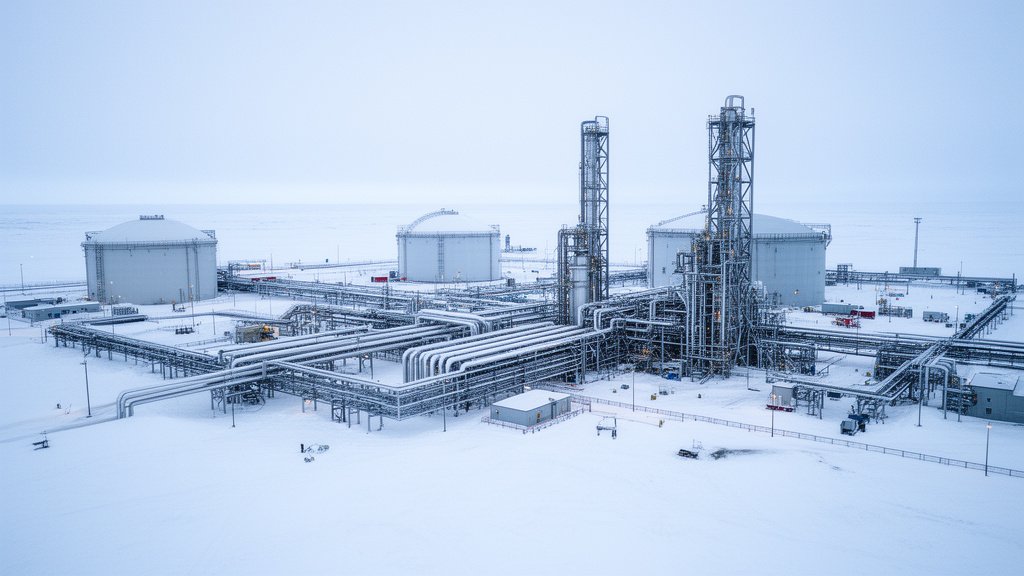
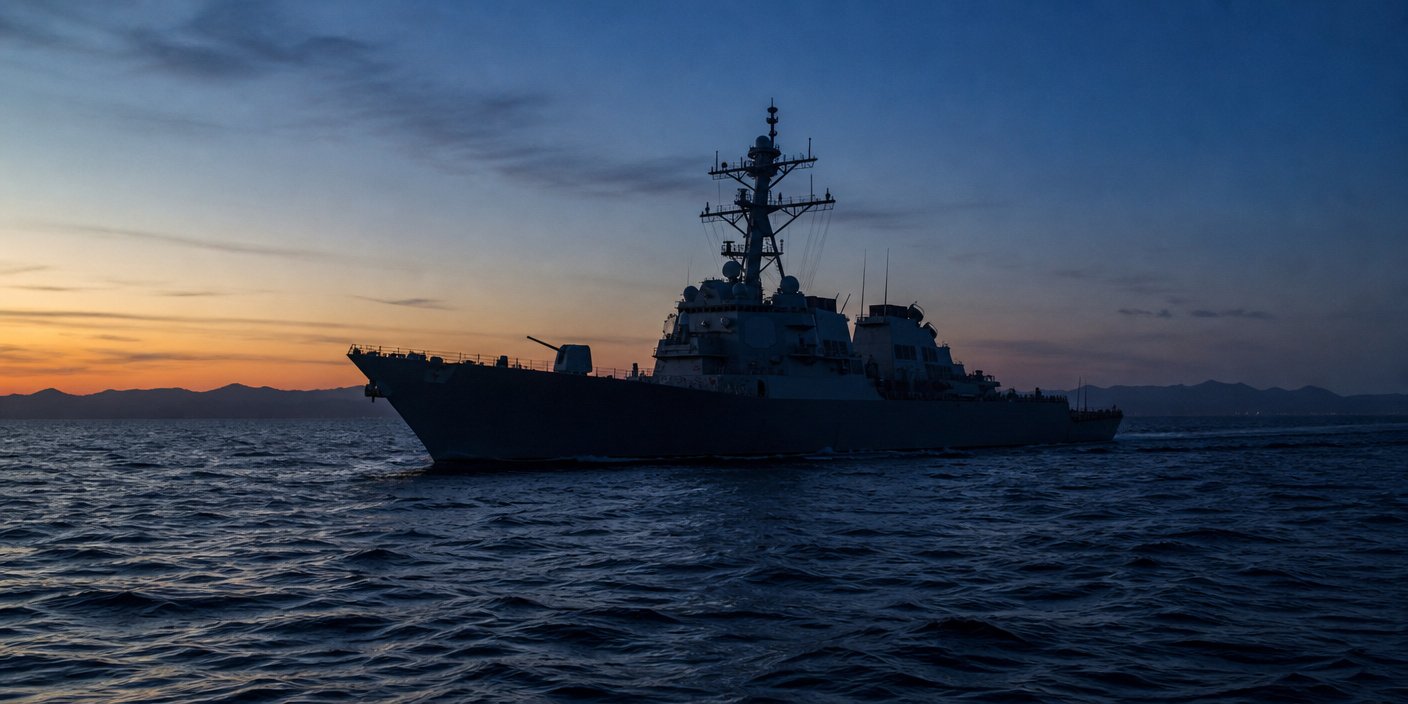
The Islamic Republic of Iran has long been a focal point of international concern due to its nuclear program, ballistic missile development, and support for regional proxy groups. Recent months have seen a significant uptick in tensions, including alleged attacks on shipping in the Strait of Hormuz, Iranian drone and missile strikes against adversaries, and retaliatory actions by the United States and its allies. The delicate balance of power in the region is constantly being tested, and any significant misstep could have catastrophic consequences.
The Role of Counterterrorism Expertise
Counterterrorism officials are tasked with identifying, disrupting, and mitigating threats posed by extremist groups and state-sponsored terrorism. Their insights are crucial in navigating complex geopolitical landscapes where the lines between terrorism, state-sponsored aggression, and conventional warfare can become blurred. The resignation of such an official over fears of a major interstate war suggests that the perceived threat has moved beyond traditional counterterrorism concerns into the realm of high-level strategic conflict.
Potential Policy Disagreements


While the specifics of the policy disagreements remain undisclosed, it is plausible that the resigning official advocated for de-escalation or alternative diplomatic approaches. Conversely, other factions within the government may be pushing for a more assertive stance, believing that a strong show of force or pre-emptive action is necessary to deter Iranian aggression or to prevent Iran from acquiring nuclear weapons. The resignation could be a public signal of these internal policy battles.
Historical Parallels and Future Implications
This situation inevitably draws parallels to past geopolitical crises where diverging strategic assessments within a government led to significant outcomes. The decision-making process leading up to a potential conflict is often fraught with internal debate. The departure of a senior counterterrorism expert due to fears of war highlights the gravity of the current situation and raises questions about the administration’s long-term strategy for dealing with Iran. The international community will be closely watching for further developments and any signs of shifting policy or increased military posturing.
The Strait of Hormuz and Global Energy
Any conflict involving Iran would almost certainly impact the Strait of Hormuz, a vital chokepoint for global oil supplies. A disruption of traffic through this waterway could send oil prices soaring, impacting economies worldwide and potentially triggering a global recession. The strategic importance of this narrow waterway cannot be overstated, making any escalation of tensions in the region a matter of global economic concern.
Proxy Warfare and Regional Stability
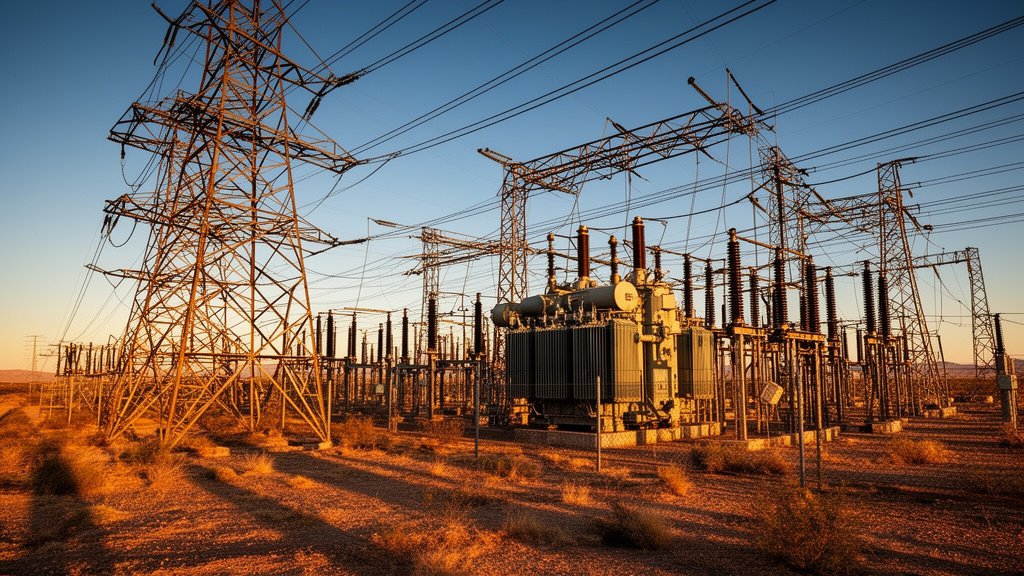
Iran’s network of proxy groups across the Middle East, including Hezbollah in Lebanon, militias in Iraq and Syria, and the Houthis in Yemen, are a significant factor in regional instability. A direct conflict with Iran could embolden these groups to launch coordinated attacks, further destabilizing an already volatile region and posing significant challenges for counterterrorism efforts.
Diplomatic Channels and De-escalation Efforts
In light of such high stakes, the importance of maintaining open diplomatic channels and pursuing de-escalation strategies becomes paramount. The resignation may also serve as a wake-up call, prompting a re-evaluation of current policies and a renewed focus on diplomatic solutions. The international community, including key allies, will likely play a role in advocating for restraint and seeking avenues for peaceful resolution.
FAQ: People Also Ask
Q1: Why did the top counterterrorism official resign?
A1: The official resigned due to significant concerns and disagreements over the administration’s policies regarding Iran, specifically fearing that these policies could lead to a war with the country.
Q2: What are the main concerns about a potential war with Iran?
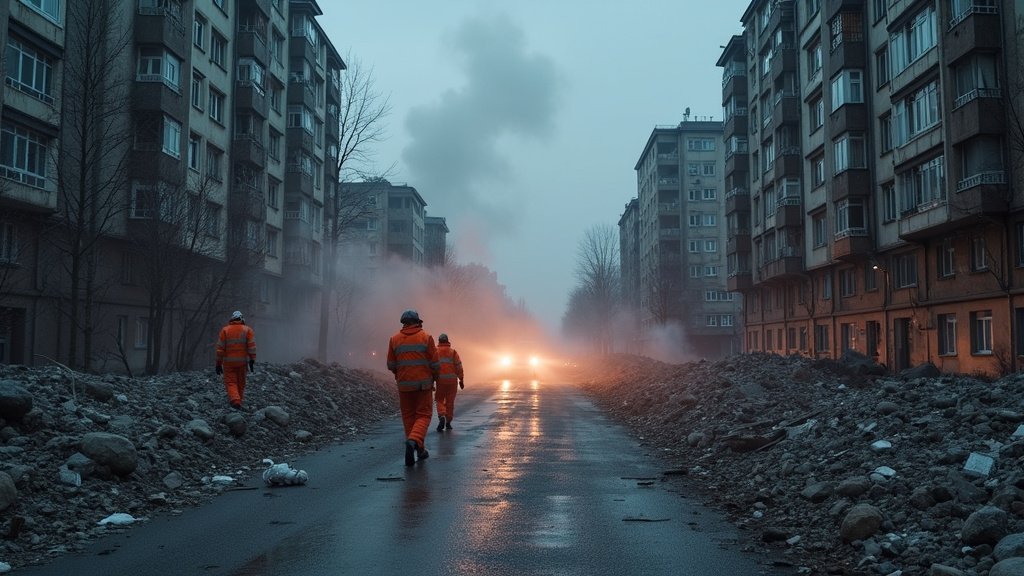
A2: A war with Iran could have devastating consequences, including regional destabilization, disruption of global oil supplies through the Strait of Hormuz, a surge in proxy conflicts, and a significant humanitarian crisis. It also carries the risk of escalating into a broader Middle East conflict.
Q3: What is the role of counterterrorism officials in geopolitical conflicts?
A3: Counterterrorism officials provide expertise on threats from non-state actors and state-sponsored terrorism. In escalating geopolitical situations, they advise on the potential for terrorism, asymmetric warfare, and the impact of state actions on counterterrorism efforts. Their insights are crucial for a comprehensive understanding of the threat landscape.
Q4: How might this resignation affect US policy towards Iran?
A4: The resignation could signal internal divisions and potentially put pressure on the administration to reconsider its approach. It might lead to a more intense debate within the government regarding de-escalation versus a more assertive posture. The long-term impact will depend on how the administration responds to the concerns raised.
Q5: What is the significance of the Strait of Hormuz in this context?
A5: The Strait of Hormuz is a critical chokepoint for global oil transportation. Any military conflict involving Iran could lead to its closure or disruption, causing severe shockwaves in the global energy market and potentially triggering an economic crisis worldwide.