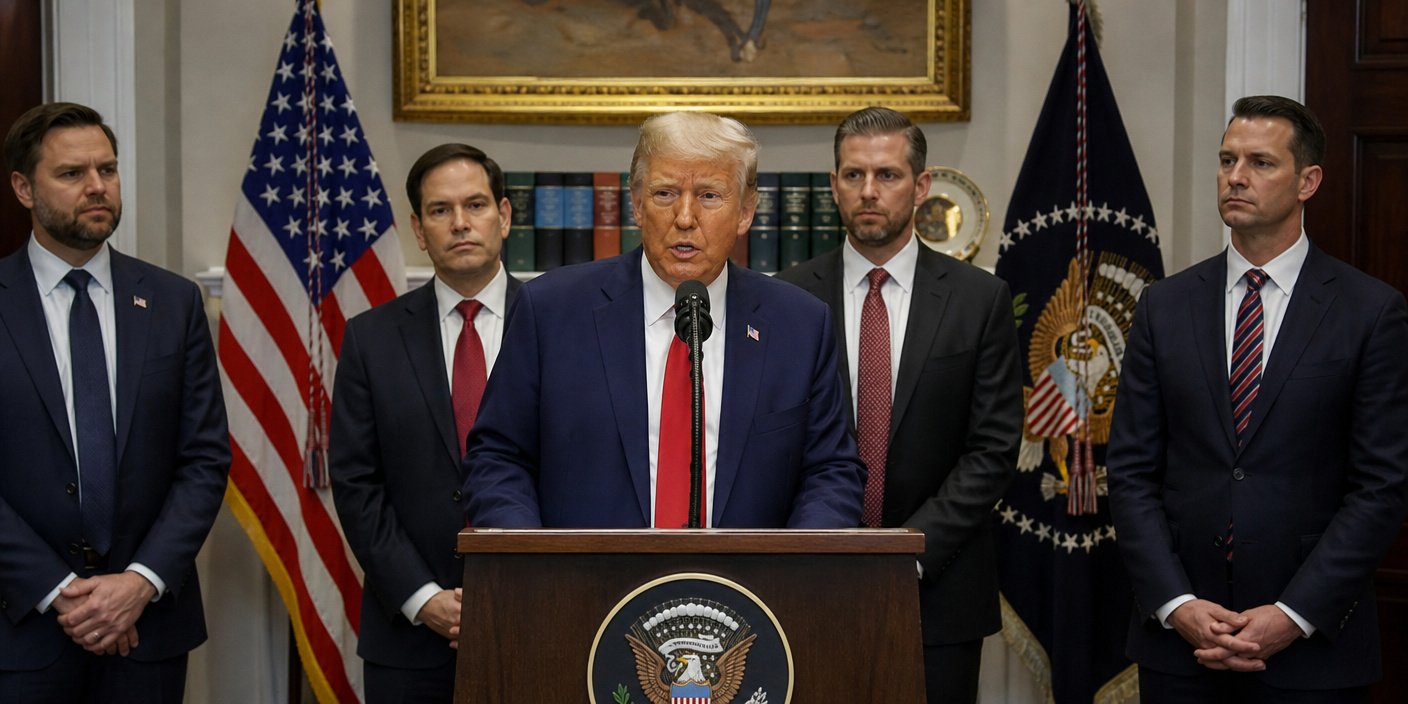
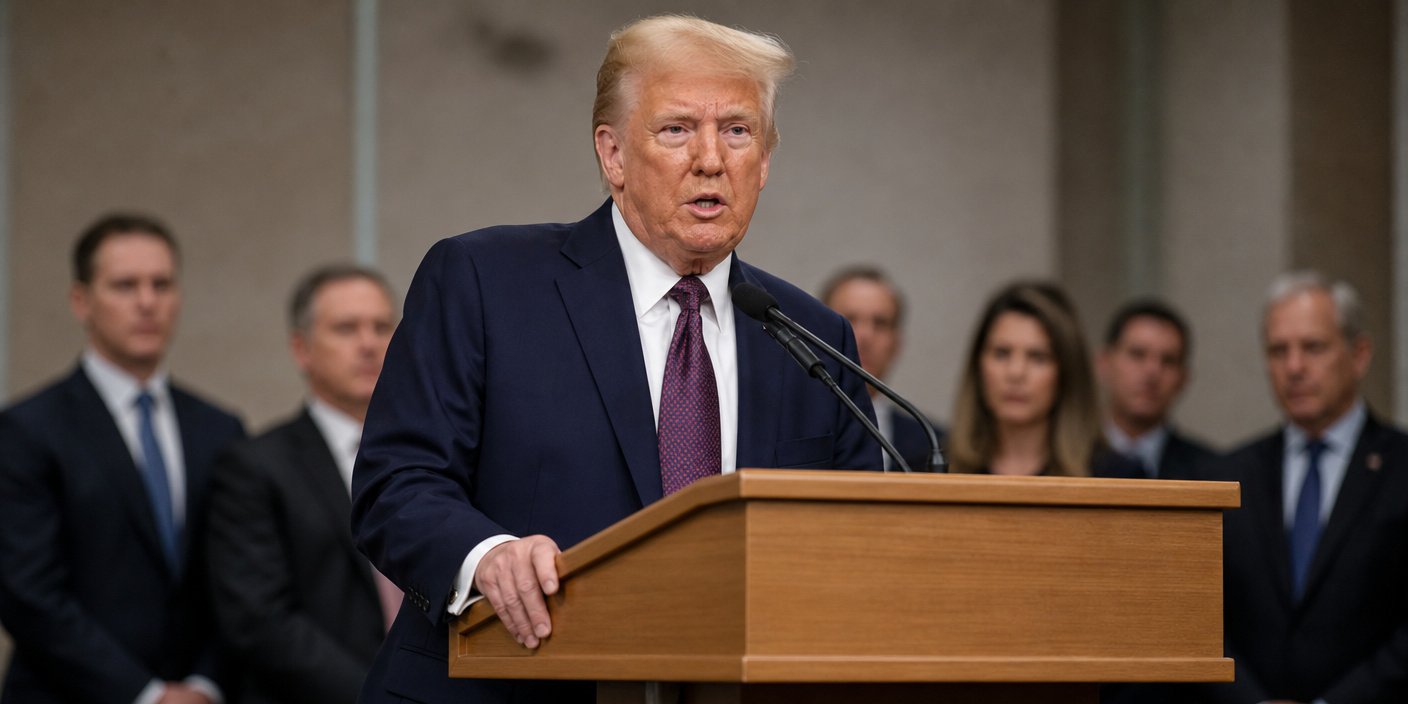
In a dramatic shift in Middle Eastern diplomacy, Syria U.S. Talks have commenced with Syrian President Ahmed al-Sharaa arriving in the United States for a landmark official visit, culminating in a highly anticipated meeting with U.S. President Donald Trump. This visit marks a significant moment for Syria U.S. Talks, signaling a profound transformation in Syria U.S. relations.
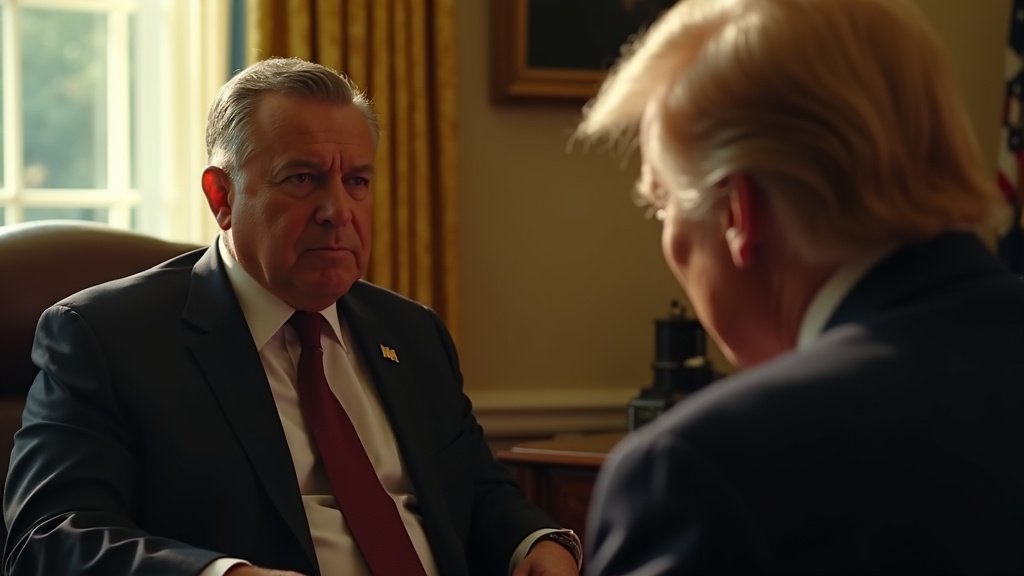
Al-Sharaa’s arrival follows the United States lifting terrorism sanctions against him, a decisive step that paved the way for this historic engagement. The Syrian leader, formerly known by his nom de guerre Abu Mohammad al-Jolani, rose to prominence leading rebel forces. This ascent from a militant leader to head of state has been characterized by a significant rebranding effort, with al-Sharaa seeking to present a more moderate image, a key factor in the recent Syria U.S. Talks.
Syria U.S. Talks: Diplomatic Breakthrough and Shifting Alliances
The core agenda of President al-Sharaa’s visit is to explore Syria’s potential integration into the U.S.-led global coalition against the Islamic State of Iraq and Syria (ISIL). This potential partnership comes as Syria announces a large-scale security operation targeting ISIL cells. U.S. envoy to Syria, Tom Barrack, has expressed optimism that an agreement to join the alliance could be signed during the Syria U.S. Talks. The diplomatic groundwork for this visit was meticulously laid, including the U.S. removal of al-Sharaa from its global terrorist sanctions list on Friday, a move that recognized progress demonstrated by Syria’s new leadership in meeting certain U.S. demands, such as cooperation on finding missing Americans and eliminating chemical weapons. These developments are crucial for the future of Syria U.S. Talks.
This normalization of relations is a significant development, reflecting a broader trend in American foreign policy as it seeks to stabilize volatile regions. The visit also occurs amid reports that the U.S. is considering establishing a military presence near Damascus to facilitate a security pact between Syria and Israel, a prospect that could reshape regional security dynamics and influence future Syria U.S. Talks.
Rebuilding Syria: A Monumental Challenge Post-Syria U.S. Talks
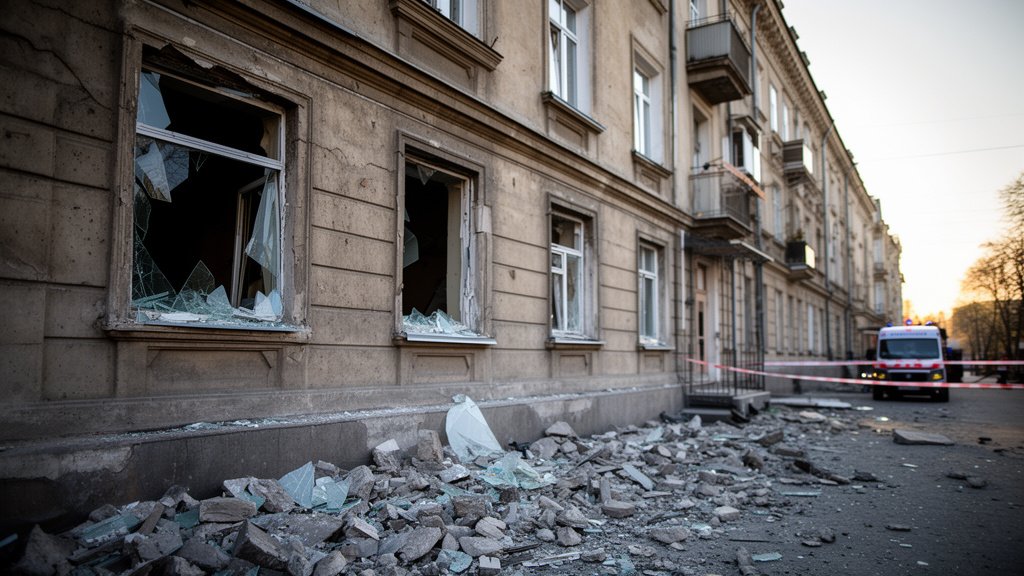
Beyond security and coalition efforts, President al-Sharaa is expected to seek substantial international funding for Syrian reconstruction. The country faces an immense task in rebuilding after over a decade of brutal civil war. The Syrian leader has been engaged in diplomatic efforts to re-establish Syria’s international standing, receiving foreign dignitaries and visiting countries like Saudi Arabia and engaging in international forums. His government has also initiated internal reforms, though challenges persist with minority rights and sectarian tensions, topics likely to be touched upon in future Syria U.S. Talks.
A New Chapter in International Stories: The Impact of Syria U.S. Talks
This historic visit and the accompanying diplomatic shifts are part of larger, evolving stories in American foreign policy and Middle Eastern geopolitics. The United States, which has been actively engaged in operations against ISIL in Syria since 2014, sees potential in a cooperative relationship with the new Syrian government. The willingness of al-Sharaa’s administration to engage with Western powers, and their reciprocal steps, marks a departure from decades of strained relations under the Assad regime. The outcome of these discussions, driven by the ongoing Syria U.S. Talks, could significantly influence regional stability, counterterrorism efforts, and the long road to recovery for a war-ravaged Syria.
As President al-Sharaa engages with U.S. leadership, the world watches to see if this new era of diplomacy, highlighted by the Syria U.S. Talks, can translate into tangible progress for Syria and contribute to a more stable regional future. The transformation of Syria’s leadership and its engagement with the international community are compelling narratives that continue to unfold, with the success of these Syria U.S. Talks being a critical element.