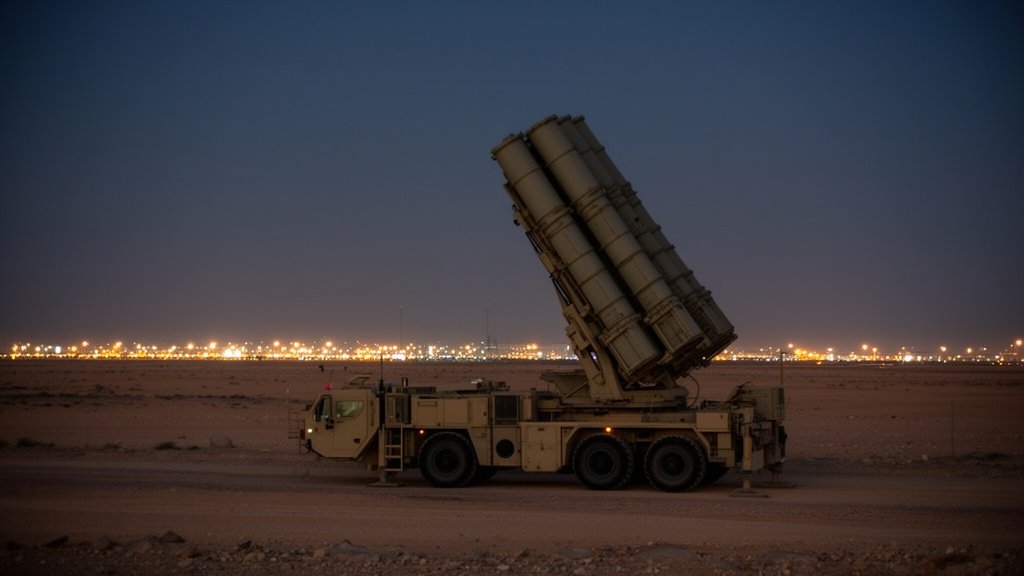
The U.S. military has initiated ‘Project Freedom,’ a new initiative involving the escort of commercial vessels through the strategically vital Strait of Hormuz. This operation aims to bolster maritime security and ensure the free flow of international trade amidst heightened regional tensions.
Key Highlights:
- ‘Project Freedom’ is a U.S. military operation to escort commercial ships.
- The Strait of Hormuz is a critical chokepoint for global oil and trade.
- The initiative is a direct response to increasing regional maritime threats.
- This operation underscores the U.S. commitment to regional stability and freedom of navigation.
Navigating Tensions: ‘Project Freedom’ Enhances Strait of Hormuz Security
The Strait of Hormuz, a narrow waterway connecting the Persian Gulf to the open ocean, stands as one of the world’s most critical maritime chokepoints. It is a vital artery for global energy supplies, with a significant portion of the world’s oil passing through its waters daily. In response to escalating threats and a demonstrated increase in maritime aggressions, the United States military has launched ‘Project Freedom.’ This comprehensive operation is designed to provide direct escort and security for commercial vessels transiting this high-risk area, thereby safeguarding international trade and reinforcing the principle of freedom of navigation.
Strategic Importance of the Strait of Hormuz
The geographical significance of the Strait of Hormuz cannot be overstated. Spanning only about 21 nautical miles at its narrowest point, it is flanked by Iran on one side and Oman and the United Arab Emirates on the other. This narrow passage makes it inherently vulnerable to disruption. Global energy markets are acutely sensitive to any instability in the region, and disruptions here can lead to rapid price volatility and widespread economic consequences. The U.S. Navy’s presence and its proactive ‘Project Freedom’ initiative are intended to deter potential aggressors and assure shipping companies that transit through this vital corridor can be conducted with enhanced safety and security.
The Genesis of ‘Project Freedom’
‘Project Freedom’ emerges as a strategic response to a series of incidents and perceived threats in the Persian Gulf and the Strait of Hormuz. These incidents have included alleged attacks on commercial shipping, drone incursions, and increased naval posturing by regional actors. The U.S. military, in collaboration with its allies, has assessed these developments as posing a significant risk to international maritime commerce and regional stability. The name ‘Project Freedom’ itself signifies a commitment to upholding the freedom of the seas, a cornerstone of international maritime law and commerce. The operational details of ‘Project Freedom’ involve the deployment of naval assets, including destroyers and patrol boats, to provide close protection for merchant vessels.
Operational Modus Operandi


The execution of ‘Project Freedom’ involves a multi-faceted approach to maritime security. U.S. naval vessels will shadow and escort targeted commercial ships, providing a protective screen against potential threats. This may include reconnaissance to detect suspicious activity, immediate response capabilities to counter any hostile actions, and robust communication channels with shipping companies and international maritime organizations. The operation emphasizes a visible deterrent presence, signaling to any potential adversaries that aggressive actions against international shipping will be met with a firm response. Furthermore, intelligence sharing and coordination with allied navies operating in the region are crucial components, creating a more comprehensive security umbrella.
Geopolitical Ramifications and Allied Cooperation
The launch of ‘Project Freedom’ carries significant geopolitical implications. It signals a clear U.S. commitment to maintaining stability in a region critical to global energy security. The operation also offers an opportunity for enhanced cooperation with regional partners and allies who share the common interest of ensuring freedom of navigation and unimpeded trade. Discussions and joint exercises with naval forces from countries like Saudi Arabia, the UAE, and other Gulf Cooperation Council (GCC) members are likely to be an integral part of the strategy. Such collaboration strengthens regional security architecture and diversifies the burden of maintaining maritime safety, fostering a collective approach to a shared challenge.
Economic Impact and Market Stability
The effective implementation of ‘Project Freedom’ is expected to have a stabilizing effect on global energy markets. By reducing the perceived risk associated with transiting the Strait of Hormuz, the operation aims to prevent artificial spikes in oil prices caused by geopolitical fears. Stable and predictable shipping routes are essential for the global economy, influencing everything from consumer prices to industrial production. The U.S. initiative, by enhancing security, contributes to the reliability of energy supply chains, which is paramount for sustained economic growth worldwide. This not only benefits oil-producing nations but also major consuming countries that depend on these supplies.
Lessons from Past Maritime Security Operations
The U.S. military has a history of conducting maritime security operations in volatile regions, including previous deployments in the Persian Gulf aimed at protecting shipping. ‘Project Freedom’ builds upon these past experiences, incorporating lessons learned regarding threat assessment, force protection, and inter-agency coordination. The evolving nature of threats, including the use of drones and asymmetric warfare tactics, necessitates continuous adaptation of security strategies. This new initiative reflects an updated threat assessment and a tailored response to the contemporary challenges faced in the Strait of Hormuz.
FAQ: People Also Ask
What is the Strait of Hormuz?
The Strait of Hormuz is a narrow strait between the Persian Gulf and the Gulf of Oman. It is one of the world’s most important oil transit points, with a significant volume of crude oil and liquefied natural gas (LNG) passing through it daily.
Why is the Strait of Hormuz strategically important?
Its strategic importance lies in its role as a critical chokepoint for global energy supplies. Any disruption to shipping in the Strait can significantly impact global oil prices and energy security for many nations.
What are the primary threats in the Strait of Hormuz?
Primary threats include potential military actions by regional powers, attacks on commercial shipping (such as mines, missiles, or drone attacks), and naval blockades, all of which could disrupt the free flow of maritime traffic.
How does ‘Project Freedom’ aim to enhance security?
‘Project Freedom’ enhances security by providing direct U.S. military escorts for commercial vessels transiting the Strait. This includes active monitoring, deterrence, and rapid response capabilities to counter threats, thereby increasing the safety and reliability of passage.
What is the historical context of U.S. naval presence in the Strait of Hormuz?
The U.S. Navy has maintained a significant presence in and around the Persian Gulf and the Strait of Hormuz for decades, primarily to ensure freedom of navigation, deter aggression, and protect vital U.S. and international interests, including the unimpeded flow of oil.