WASHINGTON D.C. – The Trump administration is moving forward with ambitious plans to impose significant import duties on pharmaceuticals, a policy that experts and industry analysts warn could dramatically increase drug prices for American consumers, disrupt supply chains, and potentially lead to critical medication shortages. This initiative marks a significant departure from decades of generally tariff-free imports for medicines entering the United States.
At the core of the administration’s strategy is a proposal to levy hefty tariffs, with some officials publicly floating rates as high as 200% on certain imported drugs. This move is framed as a national security measure, aimed at bolstering domestic pharmaceutical manufacturing and reducing the nation’s reliance on foreign suppliers, vulnerabilities that were starkly highlighted during the COVID-19 pandemic. Officials have invoked Section 232 of the Trade Expansion Act of 1962 to justify the probe into the pharmaceutical import sector, targeting both finished drug products and essential ingredients like active pharmaceutical ingredients (APIs).
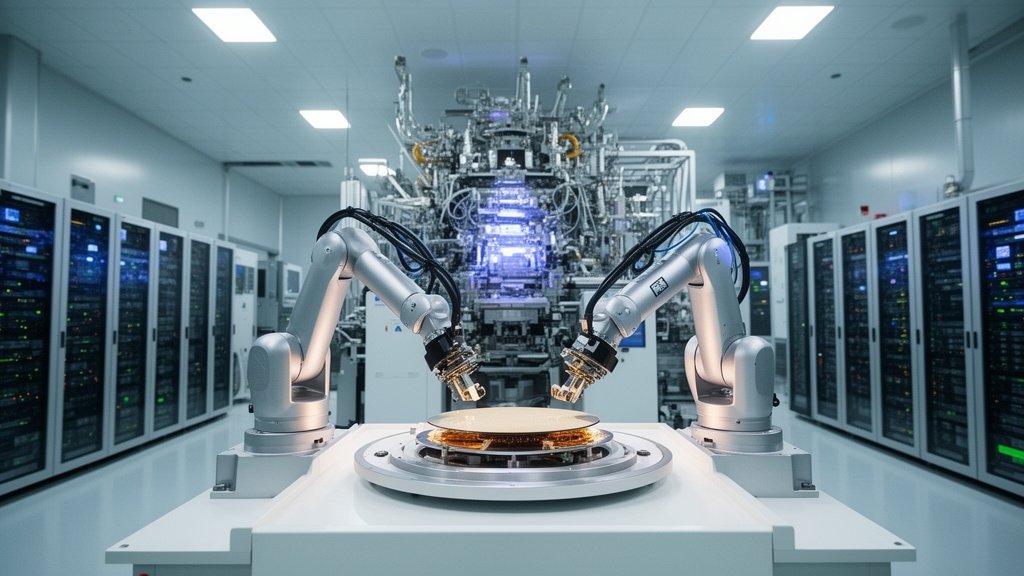
Historically, pharmaceuticals have largely entered the U.S. duty-free. However, the administration’s broader trade agenda, which has already seen tariffs applied to goods like steel and automobiles, now targets the pharmaceutical industry. While a recent U.S.-Europe trade outline included a 15% tariff on some European goods, including pharmaceuticals, the administration is threatening substantially higher duties on other imports. The stated rationale is to incentivize drugmakers to reshore production and create American jobs, with some companies already responding by increasing U.S. investments.
Economic Shockwaves Predicted for Consumers

However, the potential economic fallout for the average American is a major concern. Analysts project that even a modest tariff of 25% could lead to a gradual increase in U.S. drug prices by 10% to 14% as existing stockpiles are depleted. Diederik Stadig, a healthcare economist with ING, noted that consumers would feel the inflationary effects directly at the pharmacy counter and indirectly through higher insurance premiums. Low-income households and the elderly, who often rely on a consistent supply of medications and may have fixed incomes, are expected to be the most severely impacted.
The complexity of the global pharmaceutical supply chain, which heavily relies on countries like China and India for APIs and finished generic drugs, further complicates the picture. Reports indicate that a vast majority of popular generic drugs and essential medicines, including antibiotics and antivirals, contain at least one active ingredient manufactured abroad. This reliance means that tariffs on these imported components could significantly drive up manufacturing costs.
Threat of Shortages and Supply Chain Disruptions
Beyond price increases, experts warn that the proposed tariffs could exacerbate existing drug shortages. The U.S. pharmaceutical market is particularly dependent on generics, which operate on thinner profit margins. Manufacturers of these essential, low-cost medications might find it unfeasible to absorb increased tariff costs, potentially leading them to discontinue certain products. This could create significant supply disruptions, particularly for sterile injectables, antibiotics, and chemotherapy treatments, forcing patients to seek more expensive alternatives.
Companies have begun to prepare for potential disruptions, with many increasing imports and building inventories, which analysts suggest could delay the immediate effects of tariffs until 2027 or 2028. However, the long-term implications of these stockpiling efforts could include increased waste and storage costs.
Calls for Reshoring and Legal Hurdles
While the administration’s goal of strengthening domestic pharmaceutical manufacturing and supply chains is widely shared, critics argue that tariffs may not be the most effective or equitable solution. Some analyses suggest that regulatory reforms aimed at streamlining the construction and approval of domestic manufacturing facilities could offer a more sustainable path to achieving these objectives without penalizing consumers. Executive orders have been signed to facilitate domestic production by reducing regulatory burdens for U.S.-based plants and increasing scrutiny of foreign facilities.
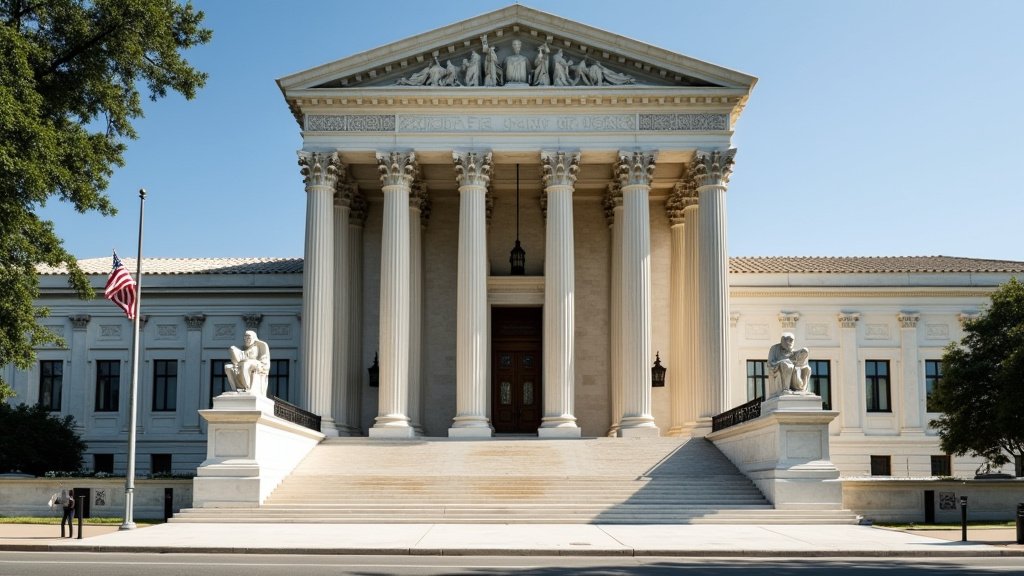
Furthermore, the administration’s authority to implement such sweeping tariffs has faced significant legal challenges. Federal courts have ruled against the administration in some instances, citing overreach, though these decisions have been temporarily stayed pending appeals, with the possibility of reaching the Supreme Court. These legal battles underscore the complex and volatile nature of the current trade policy landscape.
As the situation unfolds, the pharmaceutical industry and health policy experts are closely monitoring developments, weighing the potential benefits of increased domestic production against the immediate risks of higher costs and reduced access to essential medicines for millions of Americans. The ultimate impact will likely depend on the final tariff rates, the inclusion of exemptions for certain products, and the ongoing legal and political responses to these unprecedented measures.