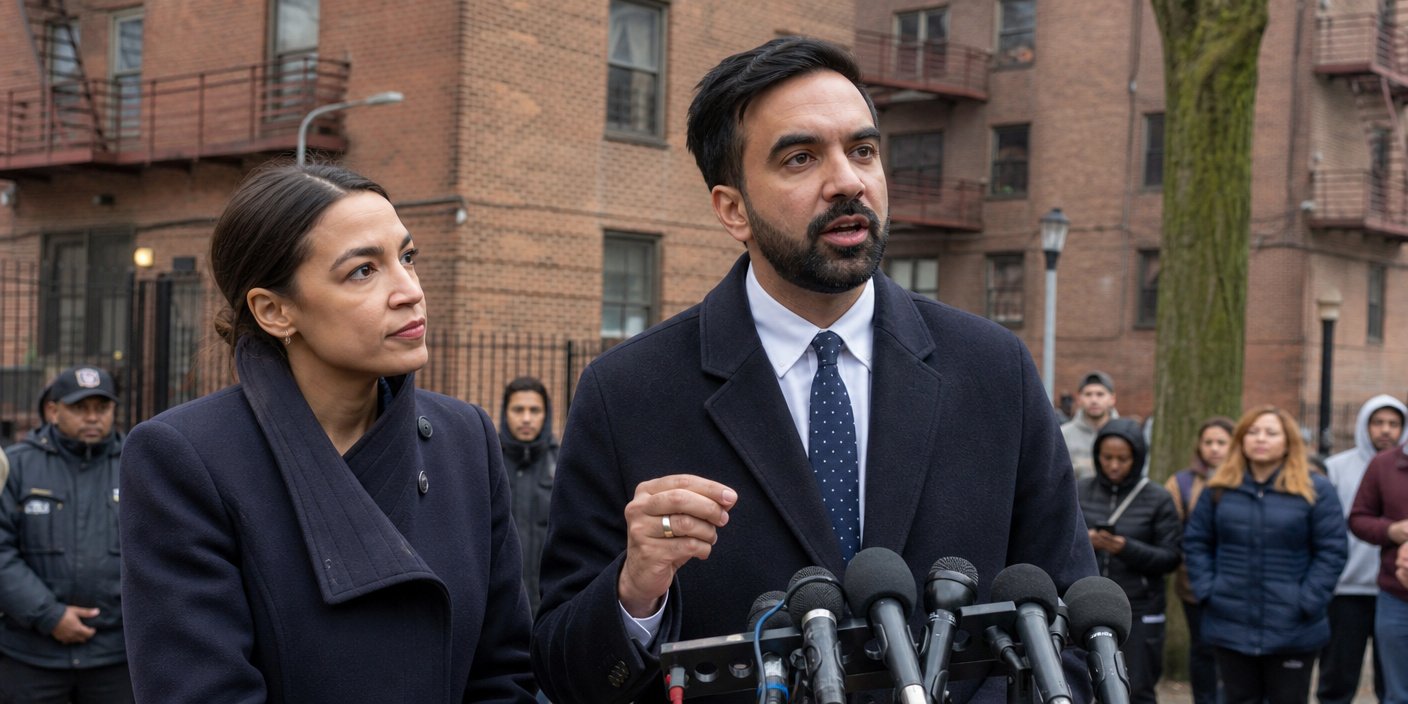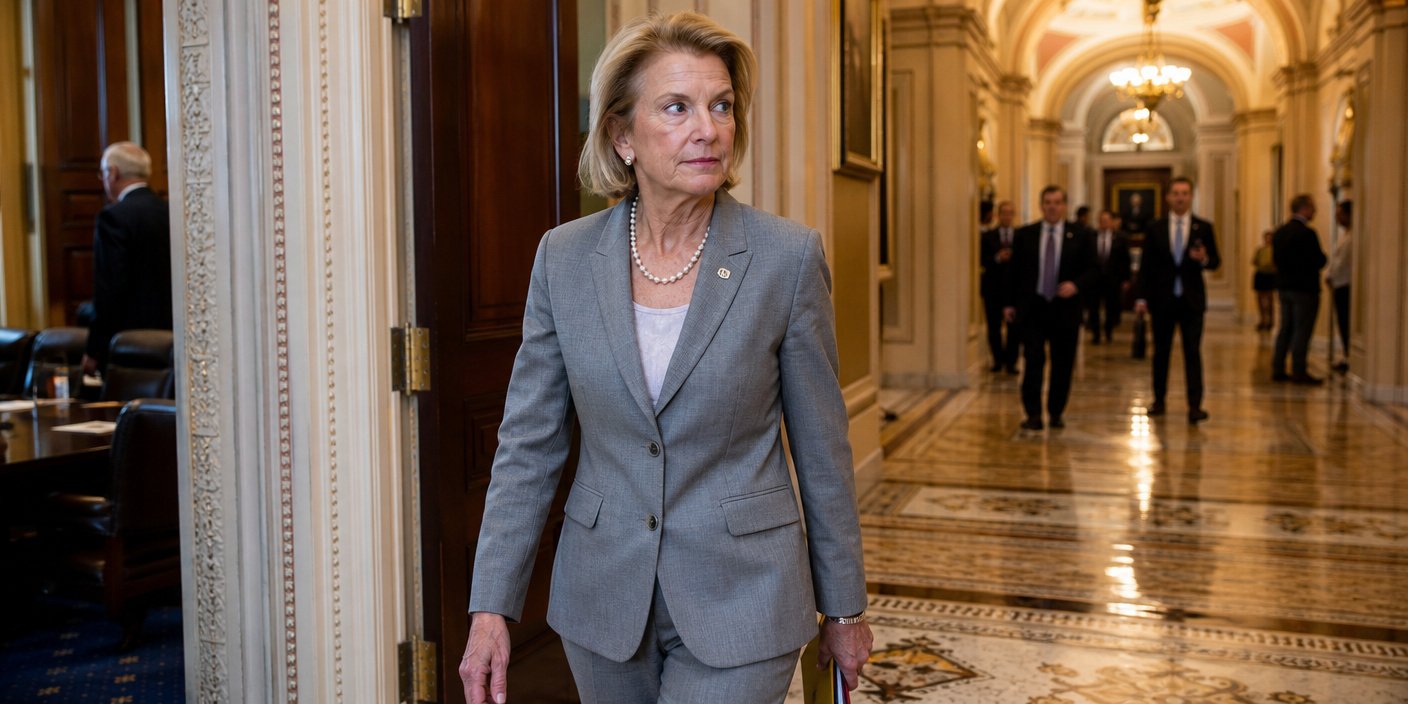

The Democratic Party has launched a comprehensive, nationwide initiative to train and deploy tens of thousands of volunteer poll monitors and voter protection specialists ahead of the 2026 midterm elections. This massive mobilization effort is designed to create a robust layer of institutional oversight at polling stations across the country, serving as a primary defense against rising concerns regarding voter intimidation, procedural irregularities, and the spread of election-related disinformation. By professionalizing the recruitment and training of these observers, the party aims to ensure that every eligible voter can cast their ballot without fear or obstruction.
Key Highlights
- Massive Scalability: The DNC is scaling operations to train tens of thousands of volunteers, a strategy aimed at ensuring coverage in even the most rural and contested precincts.
- Defensive Posture: The primary mission is to counter voter intimidation and disinformation, drawing on lessons learned from the 2020 and 2024 election cycles.
- Early Preparation: By initiating training in the current cycle, organizers intend to build a permanent, rather than temporary, infrastructure for election integrity.
- Strategic Alliances: The effort involves coordination with legal entities and non-partisan voter protection organizations to provide rapid response capabilities to any irregularities.
The Infrastructure of Voter Protection: A 2026 Blueprint
As the political landscape moves toward the 2026 midterms, the Democratic Party is shifting its strategy from reactive response to proactive, systemic preparation. The “voter protection” framework, which has been a staple of Democratic strategy for the last decade, is being significantly expanded in scope and technological sophistication. This current initiative is not merely about having bodies on the ground; it is about deploying trained, knowledgeable observers who understand the nuanced legal statutes of their specific jurisdictions.
The 2026 Strategic Blueprint
The fundamental goal of the 2026 strategy is to mitigate the “wild west” atmosphere that many election officials reported during recent cycles. By training tens of thousands of volunteers, the Democratic Party is effectively embedding “eyes and ears” into the voting process. These volunteers are being educated on state-specific election codes, which vary wildly between jurisdictions. Understanding these codes is essential, as the line between legal poll watching and illegal voter intimidation is often defined by state law. Volunteers are being instructed to document, not interfere, creating a paper trail that legal teams can utilize if formal challenges arise.
Furthermore, the training modules are being updated to address modern threats. This includes scenarios involving the presence of aggressive poll challengers, issues with voting machine functionality, and the presence of unauthorized individuals attempting to photograph or record voters inside polling places. By standardizing the training, the party seeks to minimize the risk of their own volunteers inadvertently violating election laws, a common pitfall in previous, less organized efforts.
Combatting the Disinformation Front

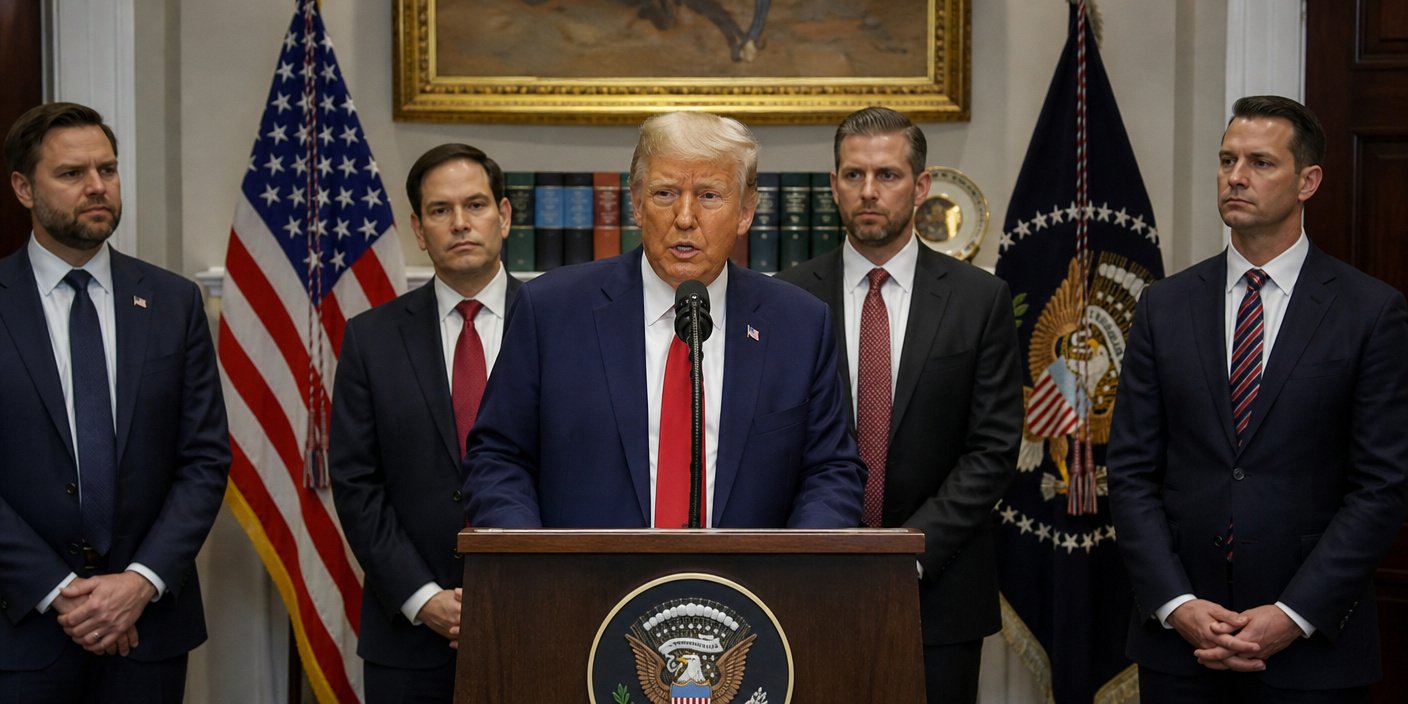

A critical component of the 2026 initiative is the integration of a digital-to-physical response mechanism. The Democratic Party has recognized that voter intimidation often begins online before it manifests at the polling booth. The training program includes modules on identifying, tracking, and reporting disinformation campaigns targeted at specific communities. If a rumor spreads online about a polling location being closed or a change in ID requirements, the ground teams are being prepared to communicate this to election officials and the public rapidly. This “rapid response” cycle is designed to neutralize false narratives before they can effectively suppress voter turnout. The reliance on the Brennan Center for Justice’s policy guidelines has provided a non-partisan, legal backbone to these training materials, ensuring that volunteers are operating within the bounds of established democratic norms.
Legal Frameworks and Non-Partisan Coalitions
The initiative does not exist in a vacuum. It is deeply connected to the Democratic Attorneys General Association (DAGA) and various legal aid societies. When poll watchers encounter issues—whether it is a technical failure in a voting machine or a concerted effort to impede voter access—they are being trained to immediately escalate these issues to “war rooms” staffed by attorneys. This bridge between the volunteer on the ground and the lawyer in the legal office is the core innovation of the 2026 plan. By effectively “deputizing” the public to serve as an extension of the legal team, the party is attempting to democratize the oversight process.
Historical context is vital here. In the post-2020 environment, election administration has become a highly contentious space. The 2026 midterm elections are expected to be just as critical as presidential cycles, as they will determine the balance of power in Congress and key governorships. The Democratic Party’s move is essentially an admission that the standard, state-run oversight processes are currently insufficient to handle the heightened levels of distrust that permeate the electorate. By supplementing state oversight with party-led monitoring, they are attempting to restore confidence in the process through sheer transparency and presence.
Addressing the Climate of Intimidation
Perhaps the most significant aspect of this initiative is its psychological impact. The mere presence of trained, calm, and informed monitors can act as a deterrent to bad-faith actors who might otherwise attempt to intimidate voters. The strategy is to turn the polling station into a space of rigorous compliance. By ensuring that every rule is followed to the letter, the monitors deny opportunities for bad actors to manufacture “election irregularities” that are later used to undermine faith in the results. This is a “defensive” strategy in the truest sense; it is an effort to protect the status quo of a free and fair election against a rising tide of populist skepticism.
As the training begins in earnest, the logistical challenges remain significant. Recruiting, vetting, and training tens of thousands of people is a monumental task that requires substantial financial investment. However, sources within the DNC suggest that donor engagement for “election protection” has been high, as the base of the party views this as an existential necessity. The result will likely be the most scrutinized midterm election in modern American history, with a volunteer army on the ground ready to document every aspect of the process.
FAQ: People Also Ask
Q: What is the primary difference between a poll watcher and a poll worker?
A: A poll worker is an official representative of the local election board who administers the election, while a poll watcher is a representative of a political party or candidate who is there to observe the process and ensure it is conducted legally. Poll watchers generally have strict limitations on their interactions with voters and equipment.
Q: Is it legal for political parties to train their own poll watchers?
A: Yes. In most U.S. states, political parties are legally permitted to appoint poll watchers or “challengers” to observe the election process, provided they follow state-specific laws regarding accreditation, behavior, and where they can stand within the polling place.
Q: How does this initiative affect individual voter privacy?
A: Trained poll watchers are strictly prohibited from interfering with a voter’s ballot or their right to privacy. The initiative emphasizes that observers should be observers only, and their purpose is to report issues to officials, not to confront individual voters.
Q: Will these monitors be armed or using security tactics?
A: No. The initiative focuses on legal compliance, observation, and reporting. These volunteers are trained to avoid confrontation and to rely on election officials and law enforcement to handle security-related issues.