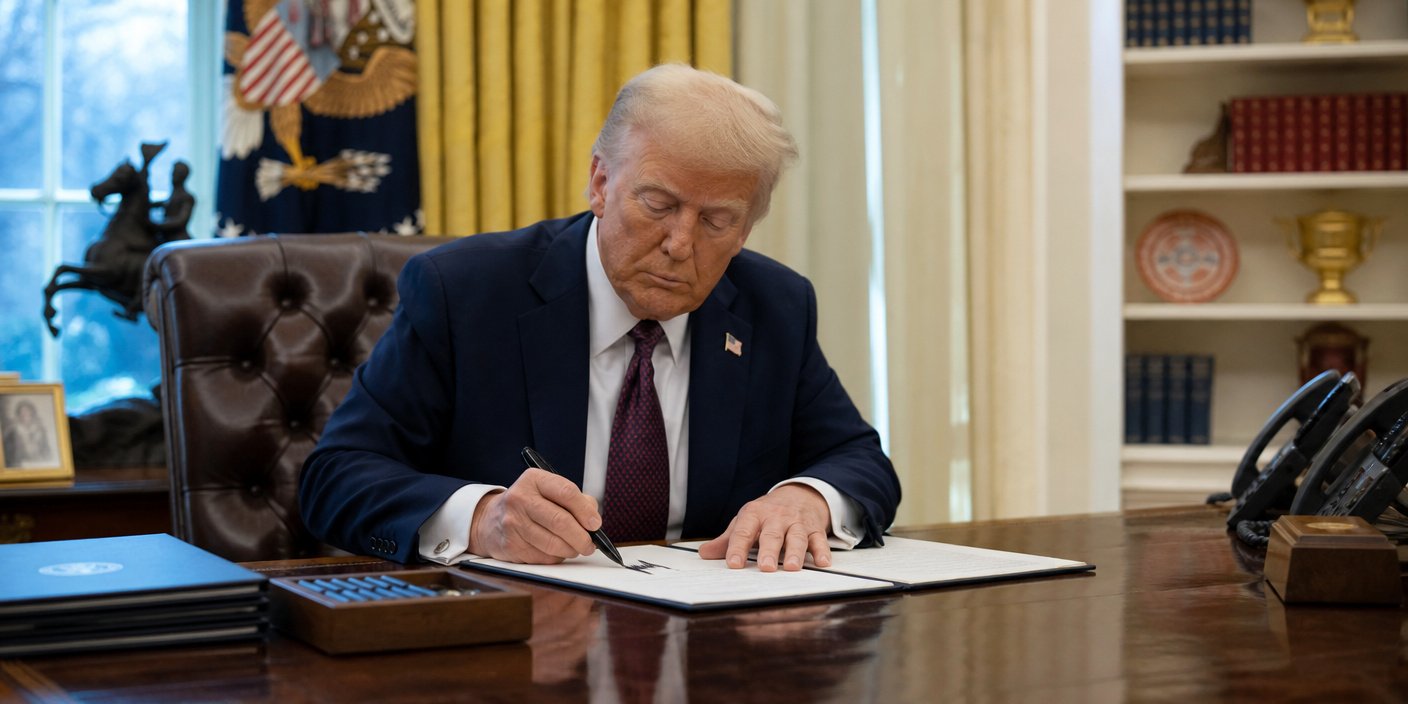
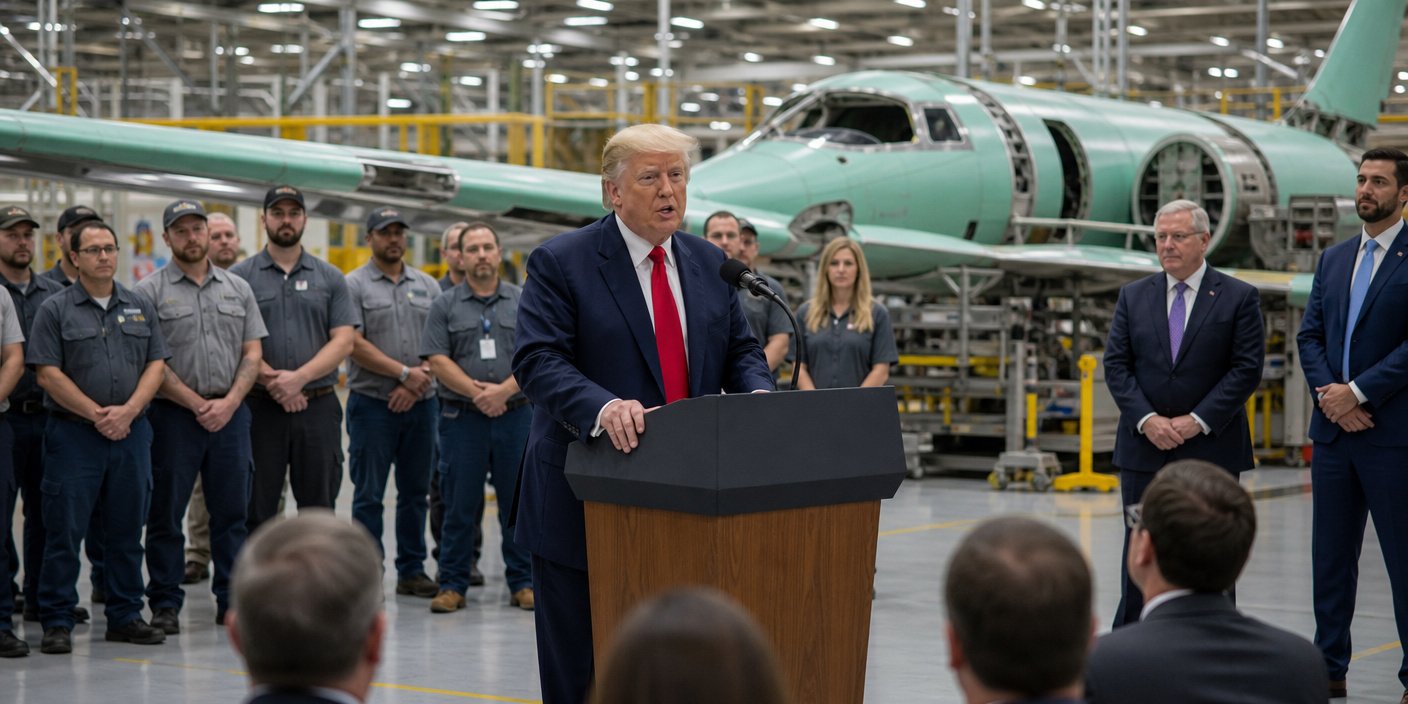
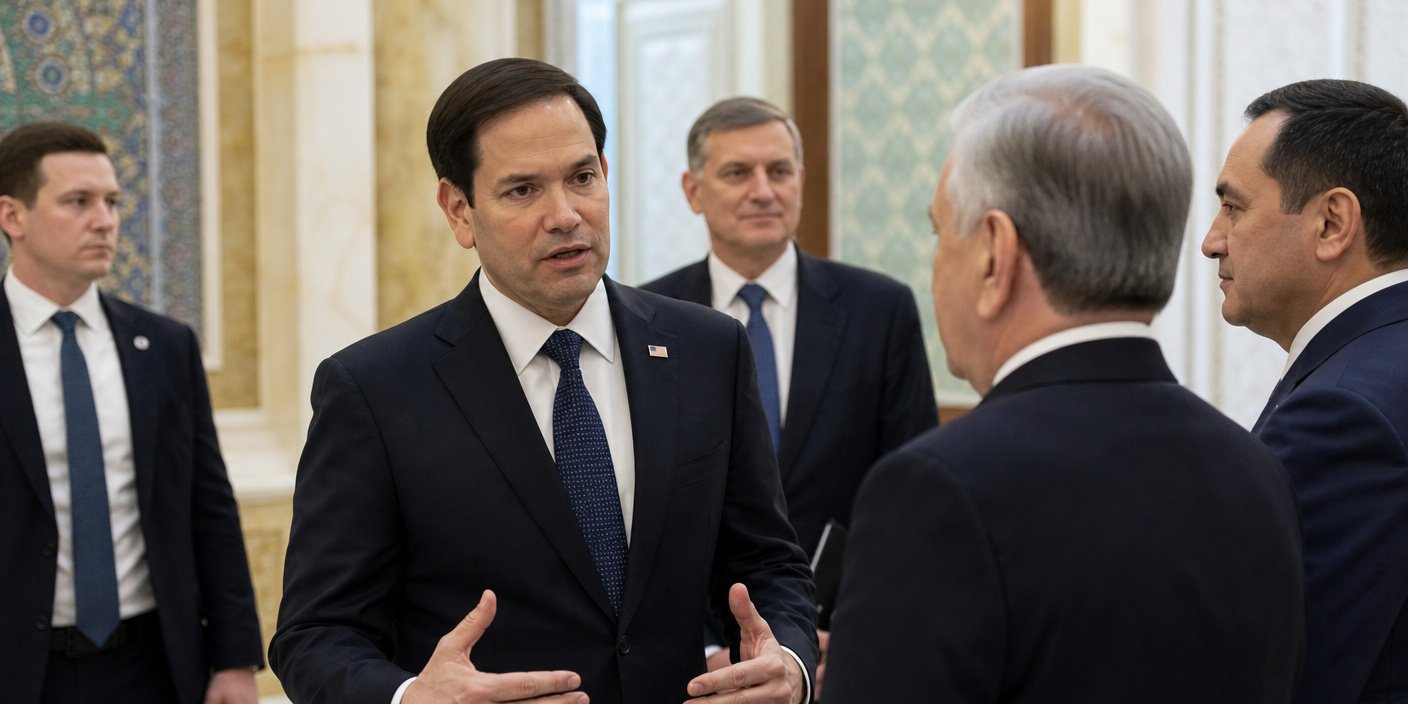
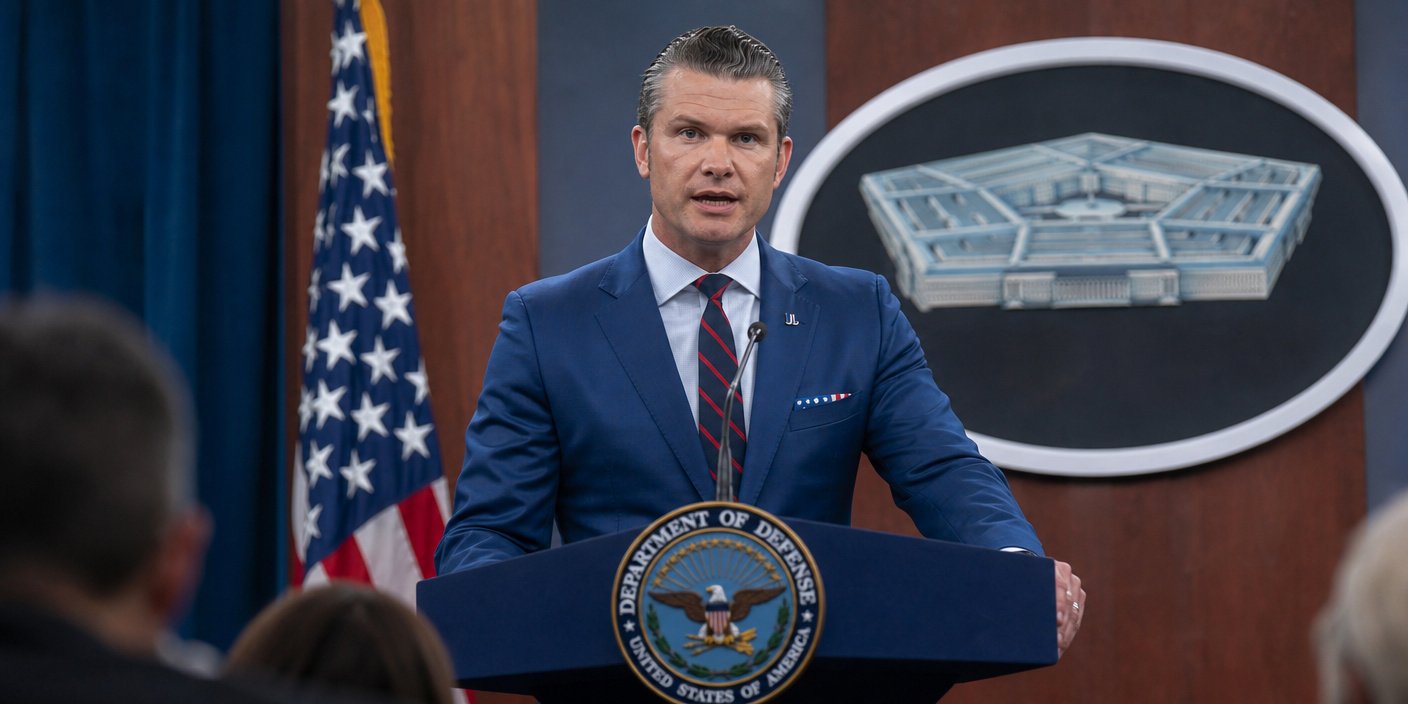
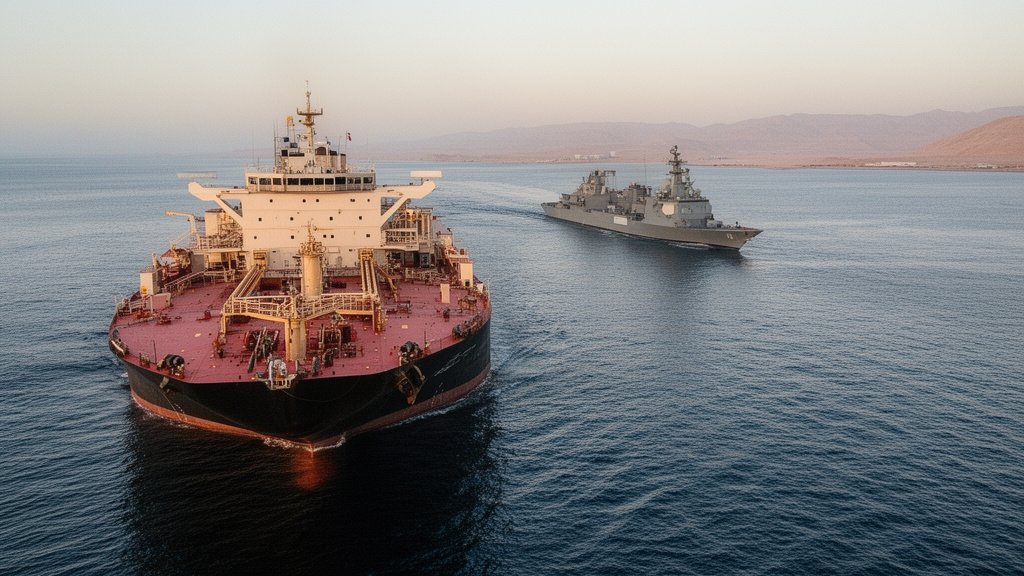
The fragile framework for peace between the United States and Iran is fraying at the edges following a high-stakes maritime interception in the Strait of Hormuz. On Sunday, U.S. naval forces forcibly seized the Iranian-flagged cargo ship Touska, an aggressive maneuver that has cast immediate, chilling doubt over the scheduled round of ceasefire negotiations set to resume in Pakistan this week. President Donald Trump, who announced the seizure, described the action as a necessary enforcement of a naval blockade intended to stem the flow of resources to an adversary, yet for Tehran, the act is being framed as an unprovoked escalation—or, in the words of Iranian military command, an act of maritime piracy. The collision of tactical military posturing and desperate diplomatic maneuvering has left the international community bracing for a potential collapse of the current ceasefire, which is precariously scheduled to expire this coming Wednesday.
Key Highlights
Seizure of the Touska*: U.S. naval forces intercepted and boarded an Iranian-flagged cargo ship near the Strait of Hormuz, with reports indicating a guided-missile destroyer successfully disabled the vessel’s engine room before Marines took control.
- Diplomatic Uncertainty: While U.S. and Iranian negotiators were expected in Pakistan for follow-up talks, Iran has signaled a potential withdrawal from the table, denouncing the seizure as an act of hostility that undermines trust.
- Fragile Ceasefire: The existing ceasefire, which has barely held in a region suffering from significant casualties on all sides, is set to expire on Wednesday, leaving a narrow window for diplomatic resuscitation.
- Global Economic Warning: The blockade of Iranian ports and the volatile situation in the Strait—a crucial global chokepoint for energy supplies—has triggered renewed fears of an escalating energy crisis that could spike global oil prices.
The Geopolitical Tipping Point: Diplomacy Under Fire
The timing of the Touska incident suggests a profound dissonance between the White House’s military policy and its diplomatic outreach. For weeks, the Trump administration has pursued a dual-track strategy: maintaining a rigid naval blockade of Iranian ports while simultaneously pushing for a negotiated ceasefire in Islamabad. This, however, is a strategy predicated on the assumption that Iran would be willing to negotiate under the duress of economic and military strangulation. The seizure of the cargo ship appears to have shattered that assumption. By forcefully intervening in the Strait of Hormuz, the U.S. has effectively provided Iran’s hardline factions with the political ammunition they need to argue against concessions.
The Failure of ‘Negotiating Under Fire’

Historically, negotiating under the shadow of active kinetic engagement—or in this case, direct seizure of sovereign-flagged assets—is fraught with failure. Analysts monitoring the situation note that for the Pakistani hosts, who have been working diligently to facilitate these talks, the incident creates a logistical and reputational nightmare. Pakistan, attempting to position itself as a neutral, stabilizing broker, finds its capital transformed into a waiting room for a party that may no longer intend to show up. If the talks fail to materialize, it will not merely be a diplomatic slight; it will be the signal for a return to full-scale hostilities that have already claimed thousands of lives across Iran, Lebanon, and Israel. The administration’s reliance on ‘maximum pressure’ to force a better deal seems to have reached a point of diminishing returns, where the cost of the next military escalation threatens to eclipse any potential gain at the bargaining table.
The Strait of Hormuz: A Chokepoint of Global Instability
The Strait of Hormuz is not merely a geographic entity; it is the jugular vein of the global energy economy. Any disruption to the free movement of vessels in this corridor has immediate, quantifiable effects on energy prices worldwide. The U.S. decision to blockade these waters, justified by Washington as a counter-proliferation and containment measure, creates a permanent state of tension. When that blockade results in the seizure of a vessel, the ripple effects are felt instantly in commodity markets. China, having already expressed ‘concern’ over the seizure, is echoing the sentiments of many nations who fear that a breakdown in the U.S.-Iran ceasefire will not be contained within the Middle East but will instead export instability into the energy markets of Asia and Europe. This is a critical divergence point: either the international community manages to force a cooling-off period, or the world faces the specter of a significant energy-driven inflationary spike.
Iran’s Strategic Calculus
For Tehran, the incident is being utilized as a potent narrative tool. By labeling the seizure as ‘piracy,’ Iranian officials are appealing to the international legal community, attempting to garner sympathy and isolate the U.S. position as unilateral and reckless. This follows a wider trend in recent months where Iran has sought to frame itself as a regional power being bullied by external forces, rather than an aggressor in the current conflict. Whether the Iranian leadership actually intends to walk away from the table remains the primary question. With the ceasefire expiration looming on Wednesday, Iran faces a dilemma: abandon the talks and risk a catastrophic escalation of the U.S. blockade, or swallow the insult and attempt to negotiate a way out of the current maritime entrapment. The rhetoric coming from the Iranian joint military command suggests that the internal pressure to respond is immense, potentially precluding any diplomatic ‘business as usual’ in Pakistan.
FAQ: People Also Ask
Q: What happens if the ceasefire expires on Wednesday without a new deal?
A: If the ceasefire expires, there is no formal mechanism preventing a return to full-scale kinetic warfare. Military analysts expect an immediate resumption of airstrikes and naval exchanges, which would likely accelerate the current death toll, which has already claimed thousands across the region.
Q: Why was the ‘Touska’ specifically targeted?
A: While specific classified intel remains undisclosed, the U.S. government maintains the ship was attempting to circumvent the naval blockade of Iranian ports. The White House views these shipments as critical to sustaining Iran’s military capacity, making them high-priority targets for interdiction.
Q: Is Pakistan still hosting the talks?
A: As of now, the venue in Islamabad remains prepped and ready. Pakistani officials are working behind the scenes to bridge the gap and convince Iranian representatives to attend, but the attendance of the Iranian delegation is highly uncertain following the day’s events.
Q: How does China’s involvement affect the situation?
A: China has expressed concern and called for a ‘responsible attitude’ from all parties. As a major importer of oil from the region, Beijing has a vested interest in the stability of the Strait of Hormuz. Their involvement serves as a signal to Washington that unilateral actions causing global market instability will face diplomatic pushback from major powers.