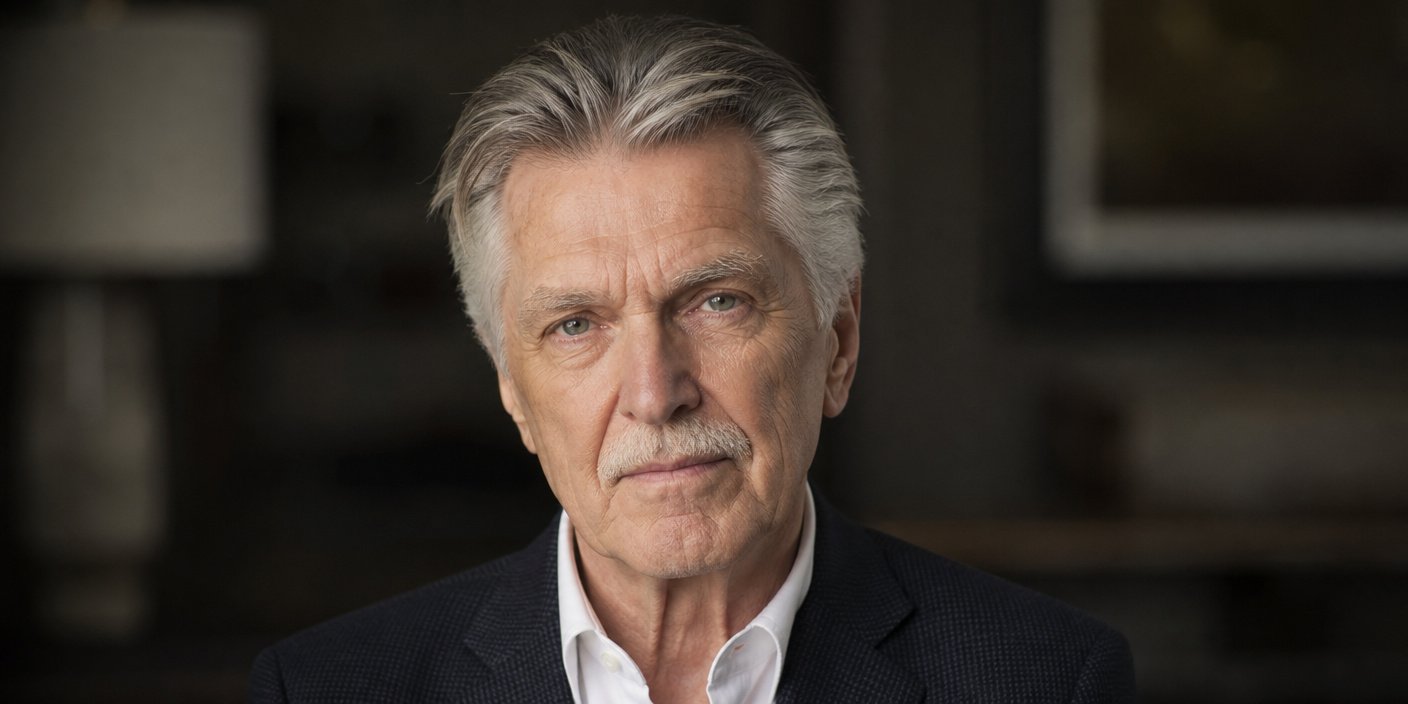
California Governor Gavin Newsom recently used strong language. He called Israel “sort of an apartheid state.” Newsom made these remarks on the “Pod Save America” podcast. This statement signifies a notable shift in his public stance. The governor also suggested the U.S. should reconsider its military aid to Israel. Newsom’s comments were made during an event promoting his new memoir.
Shifting Political Landscape
These statements reflect a broader trend within the Democratic Party. Democrats are increasingly critical of Israeli government policies. Public opinion in America is also changing. A recent Gallup poll showed a significant shift. For the first time, more Americans sympathize with Palestinians than Israelis. This marks a reversal of decades of pro-Israel sentiment.
Key Data and Trends
The latest Gallup poll highlights these changes. Forty-one percent of Americans sympathize more with Palestinians. Only 36 percent sympathize more with Israelis. This is a substantial change from three years ago. At that time, 54 percent favored Israelis. Support for Palestinians was only 31 percent. The shift is especially pronounced among Democrats. About two-thirds of Democrats now favor Palestinians. This trend was evident even before the October 7, 2023, attacks. Public views on Israel have also become less favorable. Conversely, views on Palestinian territories are more positive.
Newsom’s Reasoning and Context
Newsom’s comments appear to stem from frustration with current Israeli leadership. He specifically mentioned Israeli Prime Minister Benjamin Netanyahu. Newsom cited the expansion of West Bank settlements. He suggested these actions lead some to “appropriately” use the term apartheid. The governor expressed that current Israeli policies leave the U.S. with little choice but to reconsider aid. He noted this shift with “heartbreak”. Previously, Newsom had been a supporter of Israel. He traveled to Israel after the October 7 attacks. However, he has recently distanced himself from certain pro-Israel groups. He vowed to never accept funding from AIPAC. This reflects a changing dynamic within the Democratic Party.
U.S. Military Aid to Israel
The U.S. has historically provided substantial military aid to Israel. Between October 2023 and October 2024, the U.S. provided $17.9 billion in military aid. The current agreement commits $3.8 billion annually through 2028. This aid includes funding for missile defense systems like Iron Dome. U.S. weapons are central to Israeli operations. Discussions about reconsidering this aid are increasingly prominent. Newsom’s statement suggests this reconsideration is becoming unavoidable.
Implications for American Politics

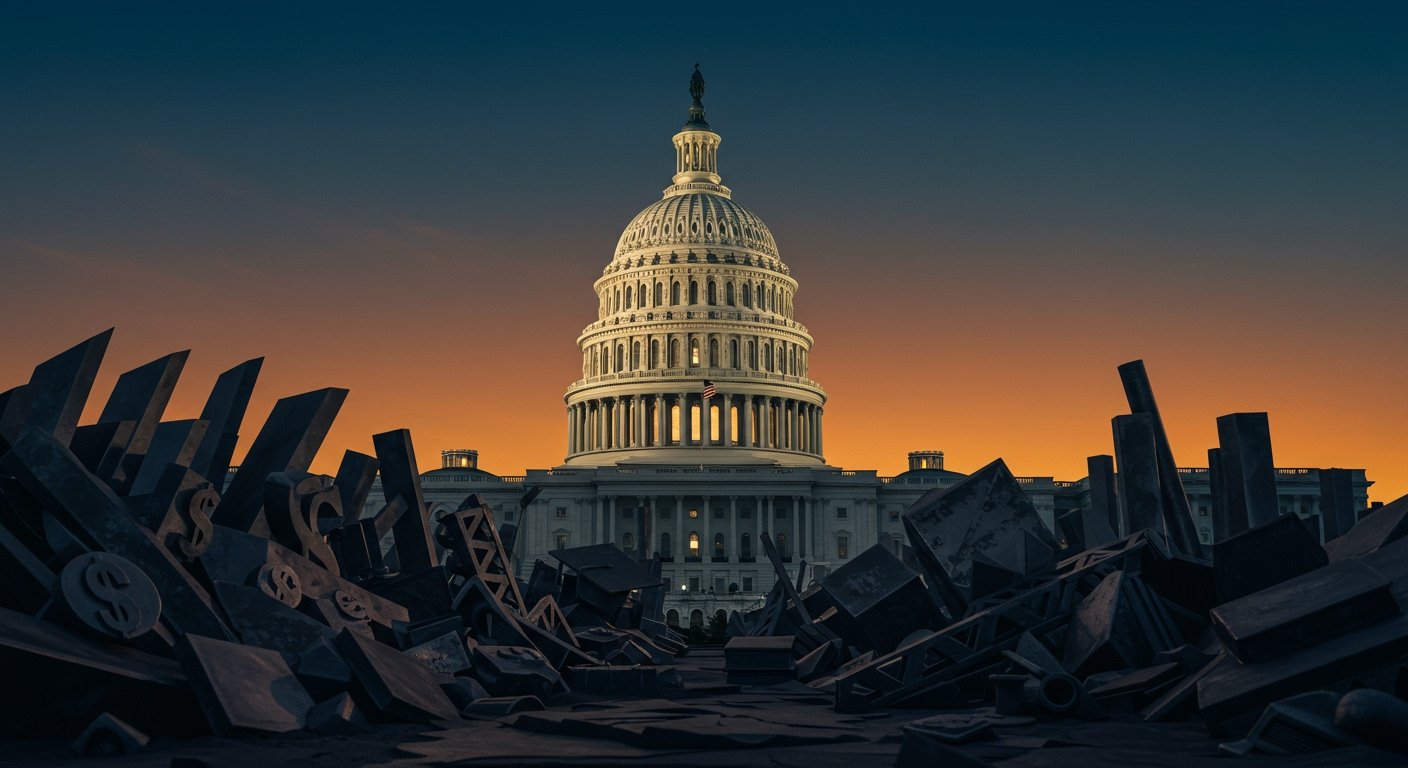


Newsom, a potential 2028 presidential candidate, seems to recognize the political advantage of this shift. The growing sympathy for Palestinians among Democrats and independents makes critical views on Israel increasingly viable. For aspiring Democratic nominees, this evolving public opinion is a significant factor. These stories are trending among American voters. The shift in sentiment highlights a deep divide in U.S. foreign policy discussions.
Reactions and Broader Context
Newsom’s remarks have drawn criticism from pro-Israel groups. Some opponents accuse him of antisemitism. However, others view his stance as aligned with changing Democratic Party sentiments. The Council on American-Islamic Relations (CAIR-California) welcomed Newsom’s comments. They see it as a recognition of human rights organizations’ long-held conclusions. Newsom also linked Israeli actions to broader U.S. foreign policy, including tensions with Iran. He suggested Israeli influence on U.S. actions was “pretty damn self-evident”. These evolving American stories are shaping political discourse.
California Governor Gavin Newsom has stirred controversy with his recent characterization of Israel. Speaking on the “Pod Save America” podcast, Newsom stated that Israel is “sort of an apartheid state.” This declaration marks a significant departure from his previous, more supportive stance. The governor also indicated that the United States may need to reconsider its military aid to the nation. These comments, made during a promotional event for his memoir, reflect a complex and trending shift in American political dialogue surrounding the Israeli-Palestinian conflict.
A Shift in Democratic Discourse
Newsom’s remarks align with a growing sentiment among Democrats. Many in the party are becoming more critical of the Israeli government’s policies. This evolving perspective is supported by recent polling data. A new Gallup poll reveals a significant change in American sympathies. For the first time in decades, more Americans express sympathy for Palestinians than for Israelis. This marks a substantial reversal from previous years, where Israel consistently held a considerable lead in American public opinion.
Public Opinion Trends
The latest Gallup findings are striking. Currently, 41% of Americans sympathize more with Palestinians, while 36% lean towards Israelis. This contrasts sharply with past surveys. Just three years prior, 54% sided with Israelis and 31% with Palestinians. The shift is particularly evident among Democrats. A substantial majority of Democrats now show more sympathy toward Palestinians. This trend indicates a growing divide, with public views on Israel becoming less favorable and views on Palestinian territories improving.
Newsom’s Perspective and Context
Governor Newsom’s statements appear to be driven by a critique of current Israeli leadership, particularly Prime Minister Benjamin Netanyahu. He referenced the expansion of West Bank settlements, suggesting these actions lead to the “apartheid” label being “appropriately” applied. Newsom expressed that the current trajectory of Israeli policy leaves the U.S. with little alternative but to re-evaluate its support, including military aid. He conveyed this sentiment with considerable personal distress, noting it “breaks my heart”. His past support for Israel is acknowledged. However, recent actions, such as vowing to reject AIPAC funding, signal a clear pivot. This evolution reflects the internal dynamics of the Democratic Party.
U.S. Military Aid and its Reconsideration
The United States has long been a major provider of military aid to Israel. This support includes billions in annual military funding and expedited weapons shipments. Newsom’s call to “rethink” military support suggests a growing willingness within political circles to question this long-standing policy. His comments imply that such reconsideration may soon become unavoidable given current Israeli actions.
Political Ramifications
As a prominent Democrat and a potential contender for the 2028 presidential nomination, Newsom’s stance is politically significant. The increasing sympathy for Palestinians among Democrats and independents makes a critical view of Israel a more viable political position. For any American politician seeking the Democratic nomination, this evolving public sentiment is a crucial consideration. These emerging stories are impacting the American political landscape. The shift in public opinion underscores the deep divisions and ongoing debates within U.S. foreign policy discussions.
Broader Reactions and Connections
Newsom’s statements have elicited strong reactions. Pro-Israel groups have voiced criticism, with some accusing him of antisemitism. Conversely, many see his position as reflective of changing attitudes within the Democratic base. The Council on American-Islamic Relations (CAIR-California) welcomed his remarks, viewing them as an acknowledgment of international human rights conclusions. Newsom also connected Israeli actions to wider geopolitical issues, including U.S. involvement with Iran. He suggested that Israeli influence on U.S. foreign policy decisions, particularly regarding Iran, was apparent. These significant American stories are shaping future political narratives.