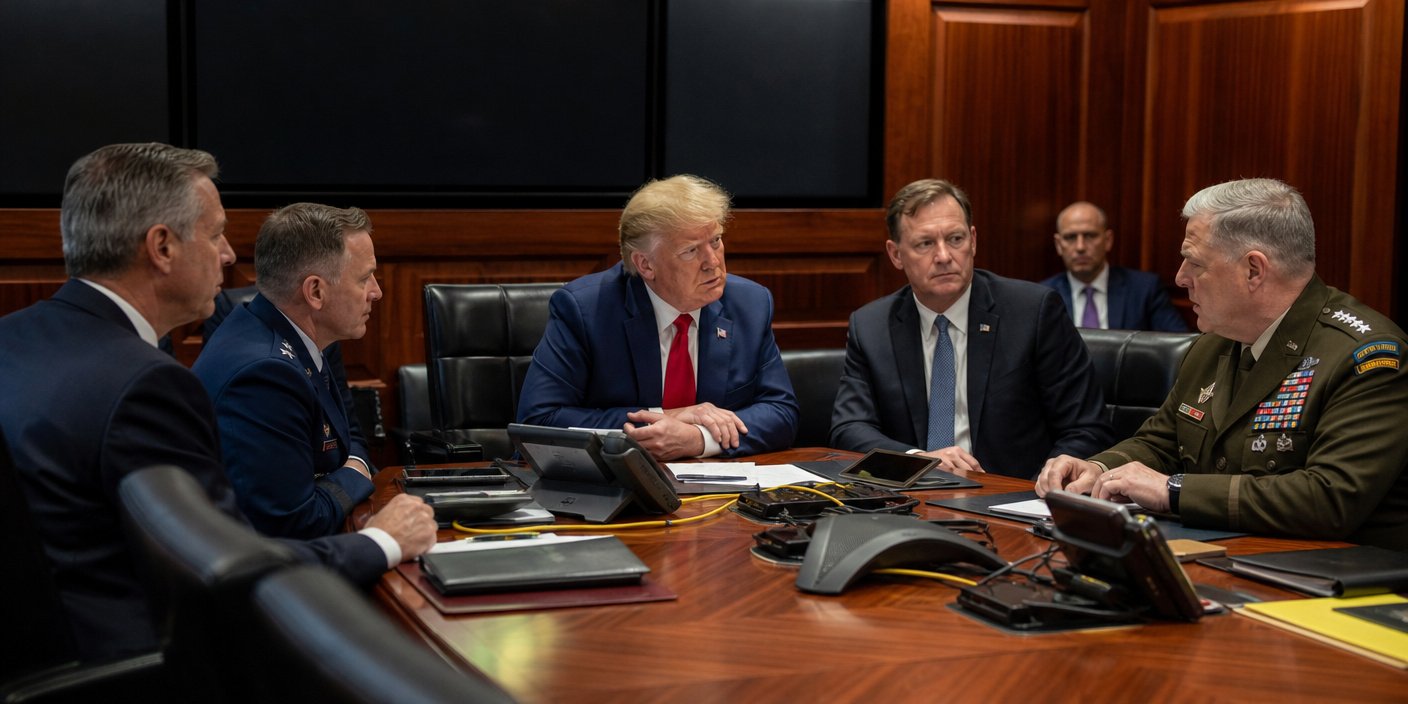
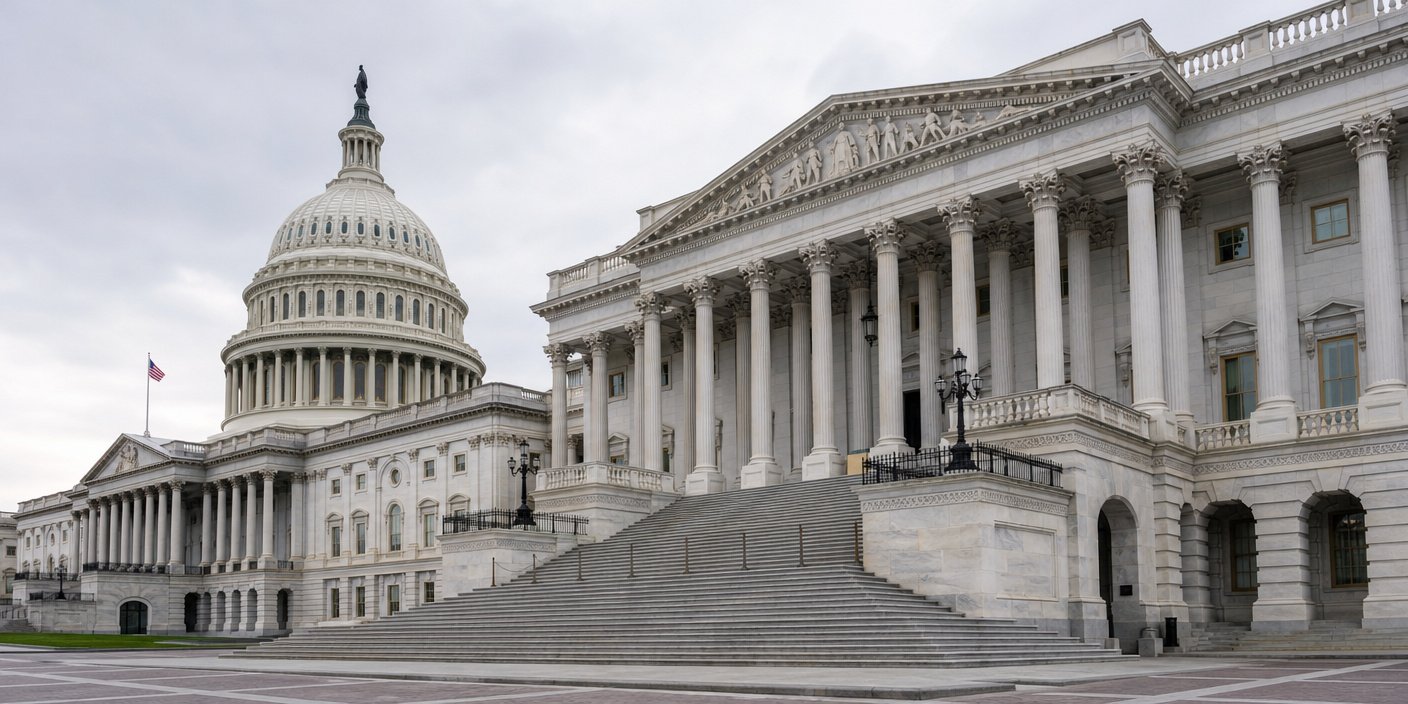
International negotiators are reportedly on the cusp of a tentative agreement that would extend the current ceasefire between the U.S. and Iran, while simultaneously paving the way for new nuclear talks. This development, if finalized, could de-escalate tensions in the region and re-open channels for diplomatic engagement on Iran’s nuclear program.
Key Highlights:
- A tentative deal to extend the current ceasefire is reportedly close to being reached.
- The agreement aims to restart new nuclear negotiations with Iran.
- This diplomatic breakthrough could ease regional tensions.
- The specifics of the extended ceasefire and the terms for new talks are yet to be fully disclosed.
Diplomatic Efforts Intensify Amidst Ceasefire Extension Talks
The global community has been closely watching the intricate diplomatic dance between the United States and Iran, particularly concerning the latter’s nuclear program and regional stability. Recent reports indicate that U.S. and Iranian negotiators have made significant strides toward a tentative deal. This potential agreement is multifaceted, focusing on two critical areas: extending an existing ceasefire and initiating new rounds of nuclear negotiations. The prospect of such an accord has injected a sense of cautious optimism into a geopolitical landscape often marked by uncertainty and friction.




The current ceasefire, details of which have often been kept private, has served as a fragile bulwark against further escalation. Its extension, if agreed upon, would provide a crucial period of calm, allowing diplomats to focus on the more complex and contentious issue of Iran’s nuclear ambitions. The International Atomic Energy Agency (IAEA) has been instrumental in monitoring Iran’s nuclear activities, and their role is expected to be central to any renewed talks. The agency’s reports have consistently highlighted the need for transparency and compliance from Iran regarding its uranium enrichment levels and facilities.
The Road to Renewed Negotiations
Initiating new nuclear talks is perhaps the more ambitious aspect of the reported tentative deal. For years, the Joint Comprehensive Plan of Action (JCPOA), the landmark 2015 agreement aimed at curbing Iran’s nuclear program in exchange for sanctions relief, has been in a state of flux. The U.S. withdrawal from the deal in 2018 and subsequent reimposition of sanctions significantly altered the diplomatic landscape. While indirect talks have occurred, a comprehensive and direct engagement on reviving or replacing the JCPOA has remained elusive. This new potential agreement could represent a critical opportunity to break the deadlock and forge a path forward that ensures both Iran’s peaceful nuclear development and international security.
Geopolitical Implications and Regional Stability
The implications of this potential breakthrough extend beyond the nuclear file. A sustained ceasefire and renewed diplomatic engagement could significantly impact regional stability. Iran’s influence in various Middle Eastern hotspots, its relationships with proxy groups, and its broader foreign policy objectives are all factors that interact with the ongoing nuclear discussions. A reduction in tensions could lead to a recalibration of regional alliances and a more conducive environment for addressing other pressing issues, such as the conflicts in Yemen and Syria. The U.S. administration, under President Biden, has consistently expressed a desire for a diplomatic resolution, and this development aligns with that overarching strategy. The European Union, a key facilitator of past nuclear talks, is also expected to play a significant role in any renewed negotiations.
FAQ: People Also Ask
What is the current status of the ceasefire between the U.S. and Iran?
Reports suggest that a tentative deal is in the works to extend the current ceasefire, which has been in place to de-escalate tensions and facilitate dialogue.
What are the main goals of the potential new nuclear talks with Iran?
The primary goal is to address concerns about Iran’s nuclear program, likely focusing on its uranium enrichment levels and the potential for developing nuclear weapons, with the aim of ensuring international security and potentially reviving or replacing the JCPOA.
What is the JCPOA?
The Joint Comprehensive Plan of Action (JCPOA) is the 2015 agreement that placed limits on Iran’s nuclear program in exchange for sanctions relief. The U.S. withdrew from the deal in 2018.
What role does the IAEA play in these negotiations?
The International Atomic Energy Agency (IAEA) is the UN’s nuclear watchdog and plays a crucial role in monitoring Iran’s nuclear activities, verifying compliance, and providing technical expertise during any negotiations related to Iran’s nuclear program.
What are the potential consequences of a renewed nuclear deal?
A successful renewed deal could lead to significant de-escalation of regional tensions, the lifting of some international sanctions on Iran, and greater transparency regarding Iran’s nuclear activities, thereby enhancing global security.