President Trump Announces Capture of Nicolas Maduro After Major US Strike
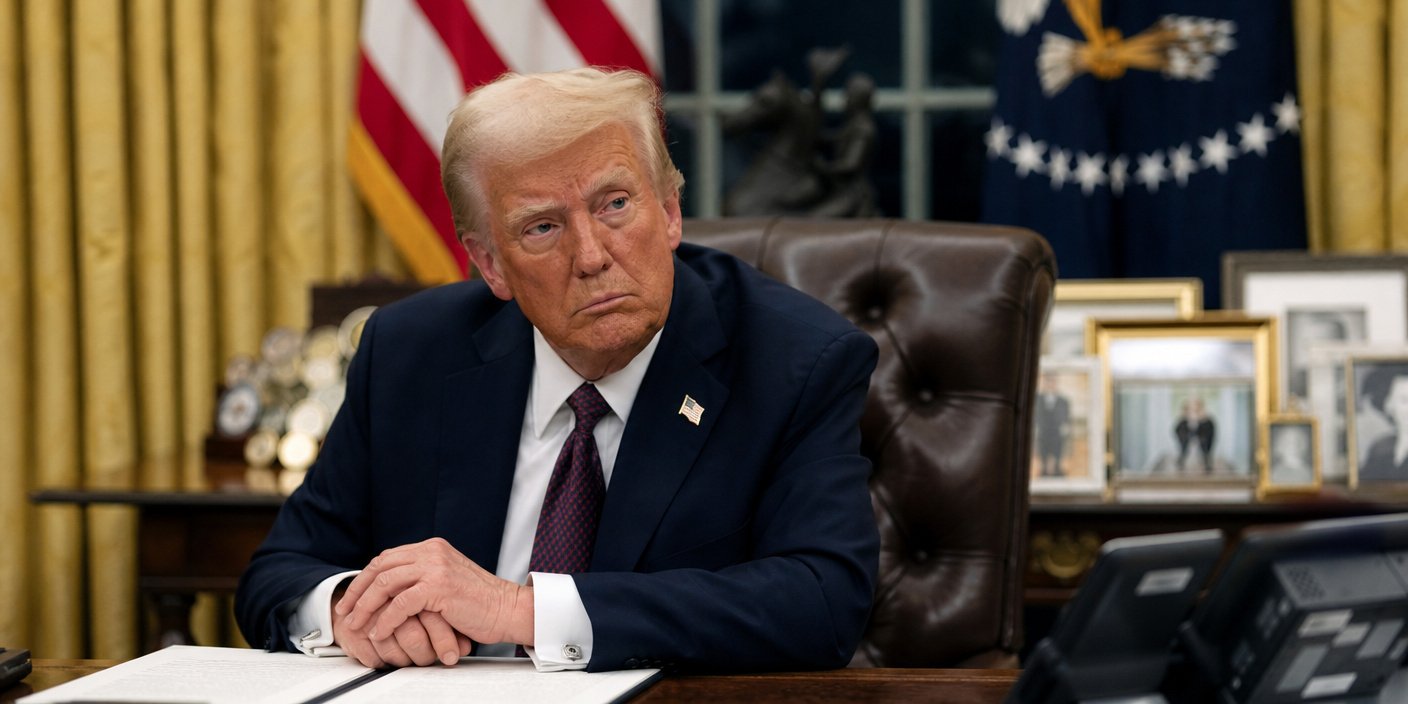
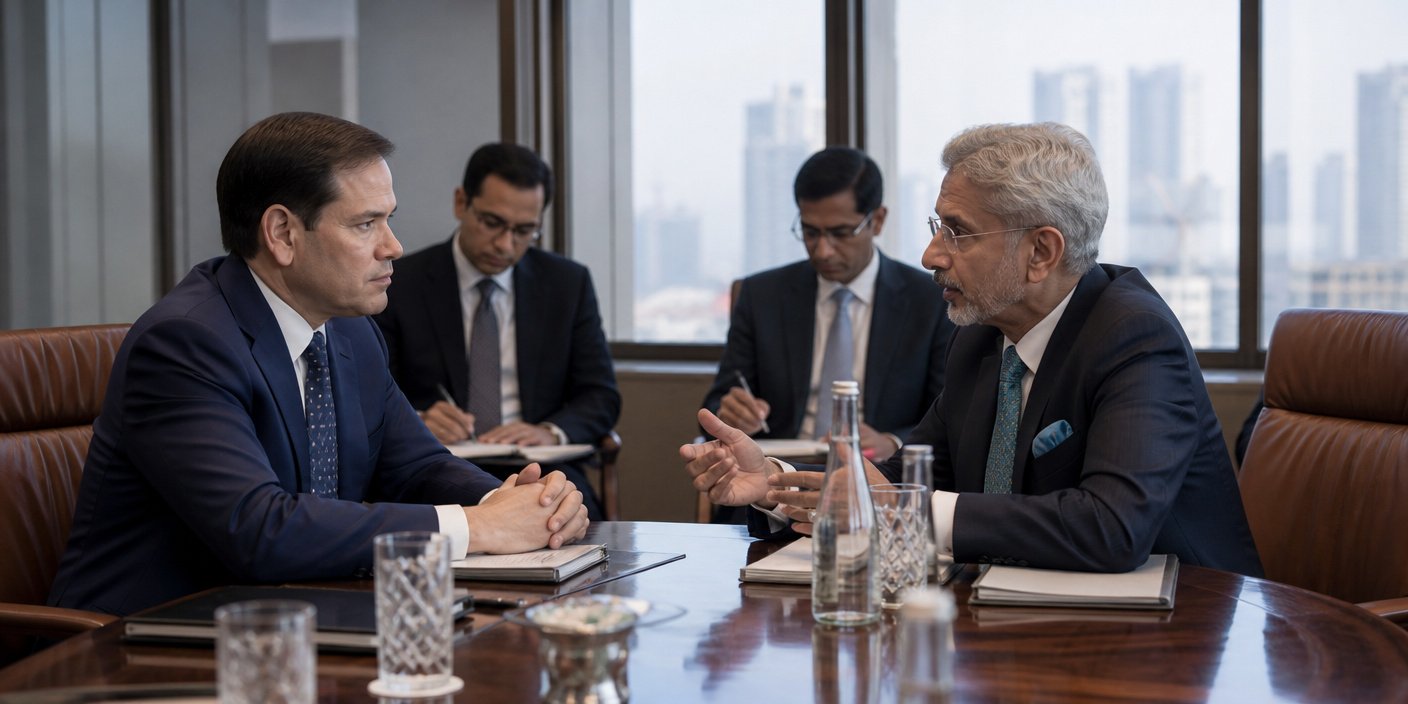
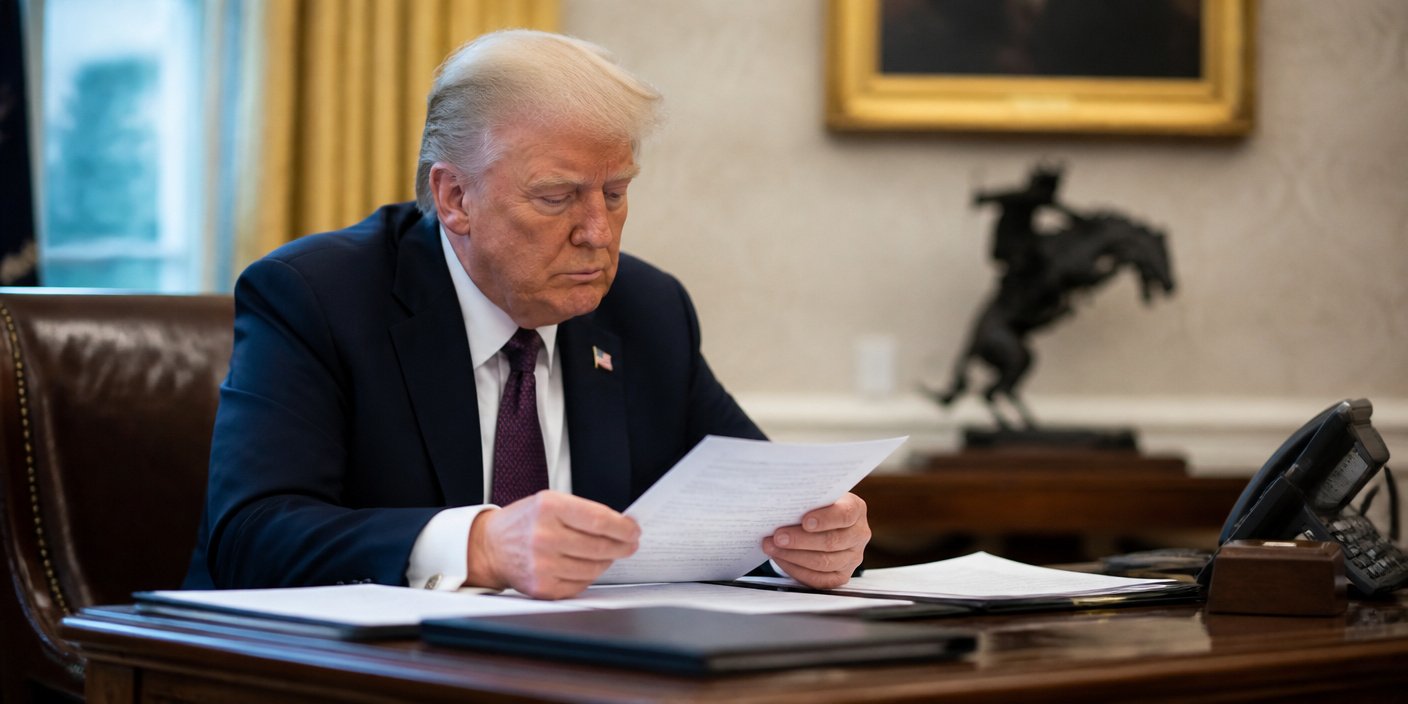
President Donald Trump declared a significant victory early Saturday morning, announcing the United States had conducted a “large-scale strike” in Venezuela, resulting in the **Maduro Capture**. His wife was also taken into custody. Trump confirmed this news via a Truth Social post, stating Maduro and his wife were captured and then flown out of the country. This marks a dramatic escalation, following months of intense US pressure. The American administration accused Maduro of leading a drug cartel. Explosions were reported across Venezuela, with low-flying aircraft seen over Caracas. The Venezuelan government condemned the actions, calling it “very serious military aggression.” Senator Mike Lee confirmed key details after being informed by Secretary of State Marco Rubio, who stated Maduro would face criminal charges in the US. This event is a top American story, with the **Maduro capture** being the central focus.
The Presidential Announcement of Maduro Capture

President Trump made his announcement on Truth Social, posting it early Saturday morning. The message was clear and direct. “The United States of America has successfully carried out a large scale strike against Venezuela and its leader,” Trump wrote, confirming Maduro’s capture. “He has been, along with his wife, captured and flown out of the Country,” the post stated. Trump added the operation involved US Law Enforcement and promised more details. A press conference was scheduled for 11 a.m. ET at Mar-a-Lago in Florida. This story is developing rapidly, and the **Maduro capture** is the primary topic.
The Military Operation Leading to Maduro Capture
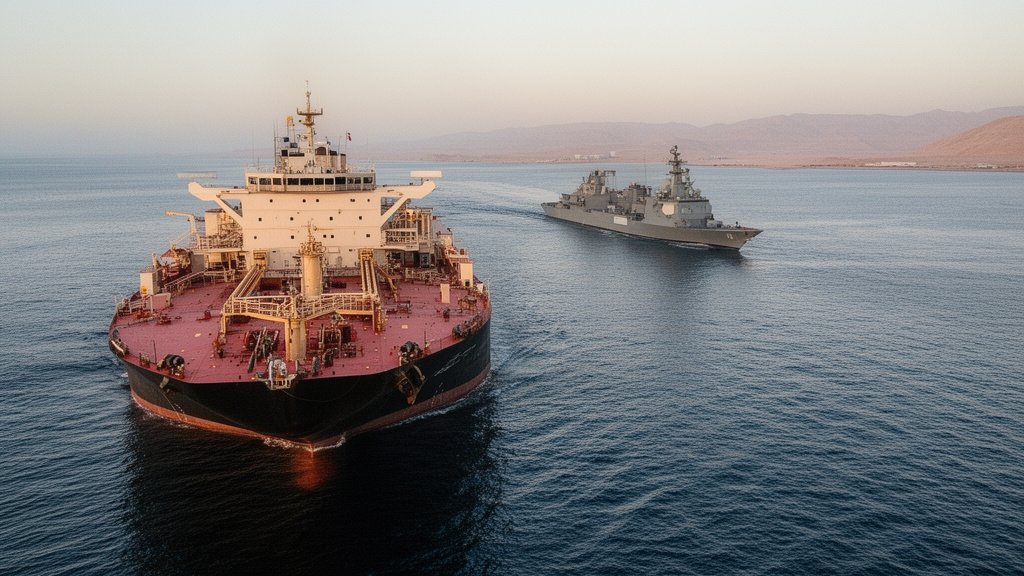
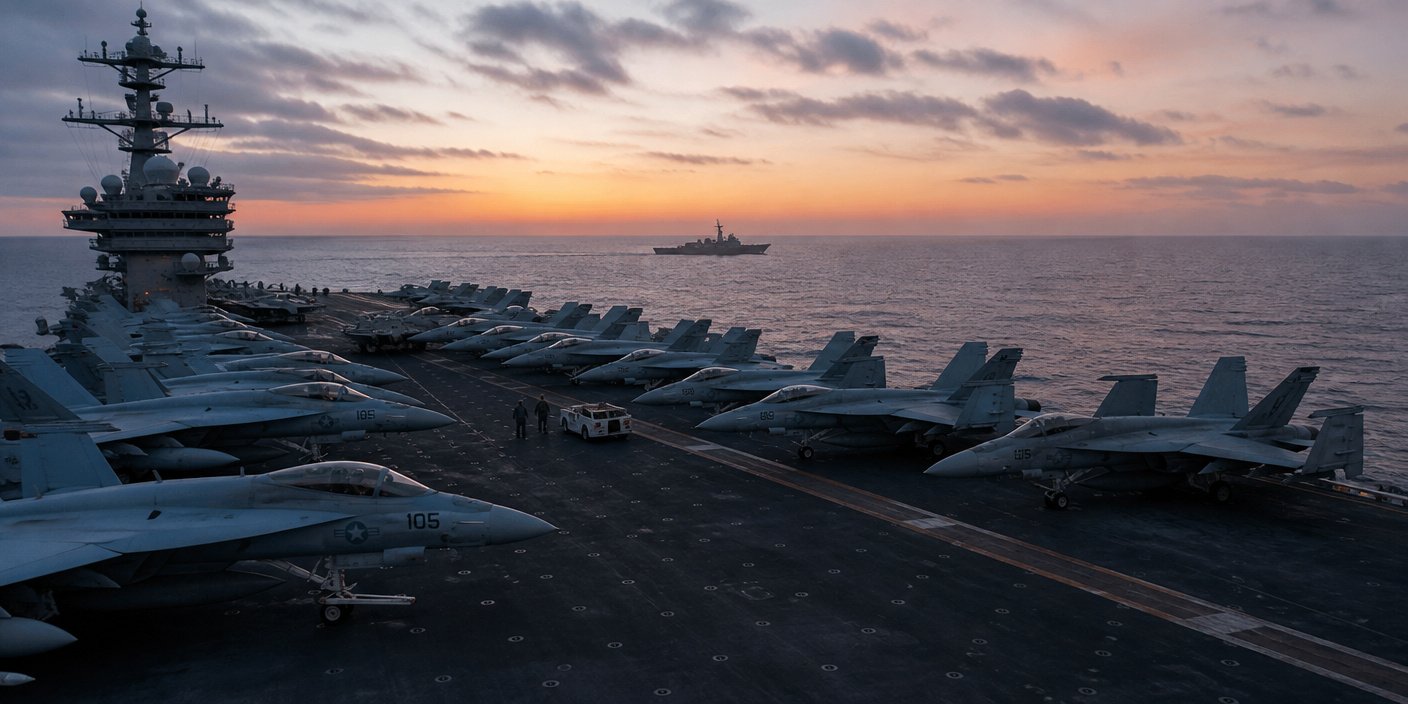
Reports suggest an elite unit carried out the capture, with US Army’s Delta Force reportedly responsible. This is the same unit involved in past high-profile operations. Officials confirmed this to CBS News. The operation was a “brilliant operation,” Trump told the New York Times, praising the planning and troops. US law enforcement agencies also participated, with their exact roles still emerging. The strikes hit multiple locations, and explosions were heard in Caracas and other Venezuelan states. Smoke was seen near Fuerte Tiuna, Venezuela’s largest military complex, which was engulfed in flames. The US military presence in the region had grown, with warships and an aircraft carrier positioned there. These actions followed prior US operations, including seizing oil tankers and strikes on drug-carrying boats, all contributing to the eventual **Maduro capture**.
Background of Accusations Leading to Maduro Capture
The US government has long targeted Nicolas Maduro. He was indicted in a US court in 2020 on alleged “narco-terrorism” charges. The Trump administration accused Maduro of heading the “Cartel of the Suns,” a criminal network linked to senior Venezuelan officials. The administration also designated groups like Tren de Aragua as international terrorist organizations. Maduro consistently denied these allegations. The US had doubled the reward for his arrest to $50 million last summer, fueling efforts to pressure his regime with the goal of regime change. The US sought to remove Maduro from power, and this objective has now culminated in his arrest, a key event in the **Maduro capture** narrative.
Venezuelan Government Response to Maduro Capture
Venezuela’s government reacted strongly to the news of the **Maduro capture**. Defense Minister Vladimir Padrino López denounced the strikes, calling it an “invasion” and a “blatant outrage.” A video message showed military deployment, and he called for national resistance. The government accused the US of aggression, stating the attack aimed to seize Venezuela’s resources, including oil and minerals. They rejected the “military aggression” by Washington. Vice President Delcy Rodriguez made a demand for “proof of life,” expressing concern for the president and his wife, as Maduro’s whereabouts were initially unknown following the **Maduro capture**. The government declared a national emergency and urged citizens to mobilize to unite against foreign troops, demonstrating deep defiance.
International Reactions and Legal Ramifications of the Maduro Capture
The international community responded swiftly to the **Maduro capture**. Iran condemned the American attack, calling it a violation of sovereignty. Russia expressed deep concern, labeling it an “act of armed aggression.” Cuba’s president also condemned the action, deeming it a “criminal attack.” Spain called for de-escalation and adherence to international law. Senator Mike Lee shared details from Rubio, who indicated Maduro would face trial in US custody, meaning no further action in Venezuela is anticipated. The US views this as a legal process linked to judicial authorities. The operation was a “hybrid operation,” with judicial agencies providing justification before the military executed the arrests. This situation draws parallels to past events, like the 1990 capture of Manuel Noriega, highlighting a shift in US foreign policy tools and the significant implications of the **Maduro capture**.
Broader Context and Implications of the Maduro Capture
This American story has significant implications, representing a bold move by the Trump administration and a demonstration of a willingness to use military force directly—a departure from traditional law enforcement tools. Experts have raised questions about legal authority, noting the War Powers Resolution and debates over presidential authority without congressional authorization. The administration argued the threat was imminent, citing narco-terrorism as justification for the **Maduro capture**. The Venezuelan government called it “kidnapping” and accused the US of imperial aggression. The future of Venezuela’s leadership is now uncertain, and the global political landscape could shift. This event follows months of increased US military assets deployed in the Caribbean to fight drug cartels, a long-standing US accusation against Maduro’s regime for allegedly facilitating drug trafficking. The **Maduro capture** could impact regional stability and oil markets, as Venezuela is a major oil producer. This dramatic turn of events will be closely watched.
Conclusion
President Trump’s announcement of Maduro’s capture creates a new reality. The “large-scale strike” brought a significant outcome: Venezuela’s leader is now in US custody and is expected to face charges. This American story is a major development, highlighting a new phase of US foreign policy and the successful **Maduro capture**. The implications for Venezuela and the region are immense. Further details are expected soon, and the world watches for the next steps as the political and legal fallout of the **Maduro capture** unfolds. This is a developing international crisis, and the **Maduro capture** is at its heart.