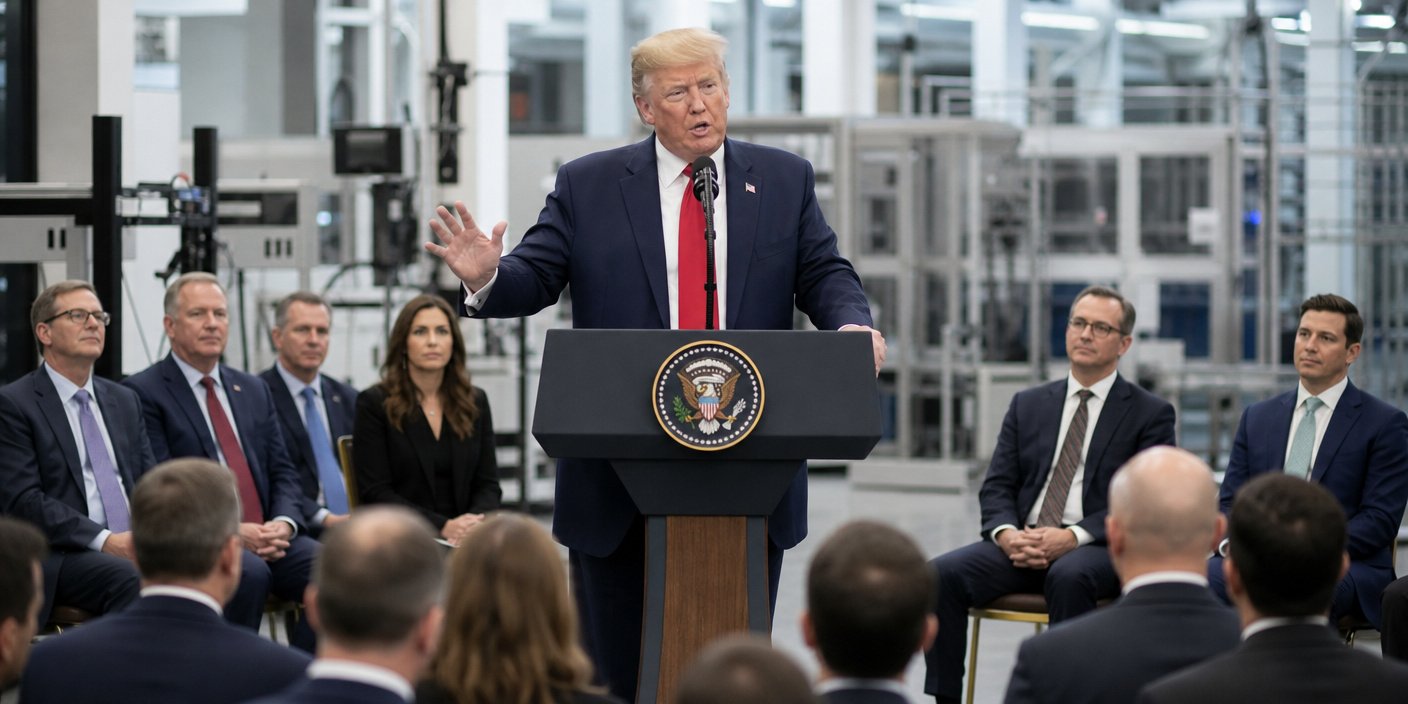
The United States launched a powerful US ISIS strike in Northwest Nigeria, targeting Islamic State forces. President Donald Trump announced the decisive action on Christmas evening, underscoring the USA’s commitment to global security. This significant US ISIS strike followed weeks of intense criticism from the Trump administration, which accused Nigeria’s government of failing to adequately protect its Christian population. The White House had previously hinted at potential military action, and the State Department concurrently enacted visa restrictions targeting Nigerians involved in religious violence. Nigeria was also designated a “country of particular concern” under US religious freedom laws, a move that signaled the US intent to take a more forceful stance. This US ISIS strike represents a decisive action in response to alleged mass killings and became immediate national headline news.
US ISIS Strike Forces Hit Terror Targets
US military forces conducted precise airstrikes as part of a significant US ISIS strike operation. The targets were Islamic State terrorists operating in Northwest Nigeria. President Trump directed this critical US ISIS strike. He lauded the action as “powerful and deadly,” emphasizing its aim to disrupt and dismantle ISIS militant operations, which have been implicated in the alleged killings of Christians. The USA collaborated closely with Nigerian officials, securing governmental approval for the strikes and engaging in vital intelligence sharing and strategic coordination. U.S. Africa Command confirmed the successful operation, reporting that multiple Islamic State terrorists were neutralized. The US ISIS strike took place in Sokoto State, reflecting the broader US national effort to eliminate terror threats and support global stability. This US ISIS strike is a key example of US counter-terrorism efforts.
Context of Religious Freedom and the US ISIS Strike
President Trump had previously voiced grave concerns, accusing Nigeria of insufficient action regarding Christian persecution. This led to the US designation of Nigeria as a “country of particular concern,” signifying alleged severe religious freedom violations. The State Department’s imposition of visa restrictions targeted individuals linked to anti-Christian violence. Nigerian officials have contested these claims, asserting that violence impacts all faiths within the country. Nigeria grapples with multifaceted security challenges, including farmer-herder clashes, rampant banditry, and the persistent threat from Boko Haram and ISIS-West Africa Province. The US stated that this US ISIS strike was a decisive response to alleged mass killings, specifically targeting radical Islamic terrorists and their associated militias. This focus on the Islamic State Nigeria highlights the complexity of the situation.
Nigeria’s Security Challenges and the US ISIS Strike
Nigeria faces a complex web of security problems, with Boko Haram and ISWAP waging a protracted insurgency, primarily in the northeast. In the northwest, armed gangs are responsible for widespread kidnappings, impacting both Muslim and Christian communities. Analysts suggest that the violence stems from multiple motives, including religious extremism, resource competition, land disputes, and ethnic tensions. The Nigerian government maintains that the violence is not exclusively religion-based, pointing to attacks on all communities. With a large population nearly equally divided between Muslims and Christians, Nigeria’s internal dynamics are intricate. The US ISIS strike demonstrates the US national security strategy of leveraging partnerships to address these complex global issues, making this US ISIS strike a focal point of international discussion. The Trump ISIS action specifically targeted these threats.
Implications of the US ISIS Strike
This significant US ISIS strike underscores the determination of the United States to act decisively against terrorist threats. Officials indicated that further actions could be contemplated, reinforcing the US objective to eradicate terror networks and safeguard religious freedom. This US ISIS strike highlights the critical nature of cooperation with Nigeria, underscoring shared security interests. Nigeria’s Foreign Ministry has affirmed its commitment to working with international partners to combat terrorism, a stance crucial for future stability. The news of the US ISIS strike garnered significant global attention and has ignited important policy debates regarding the US role in global security. This decisive US ISIS strike is a key development in ongoing efforts to combat extremist groups in the region and highlights the importance of religious freedom Nigeria.