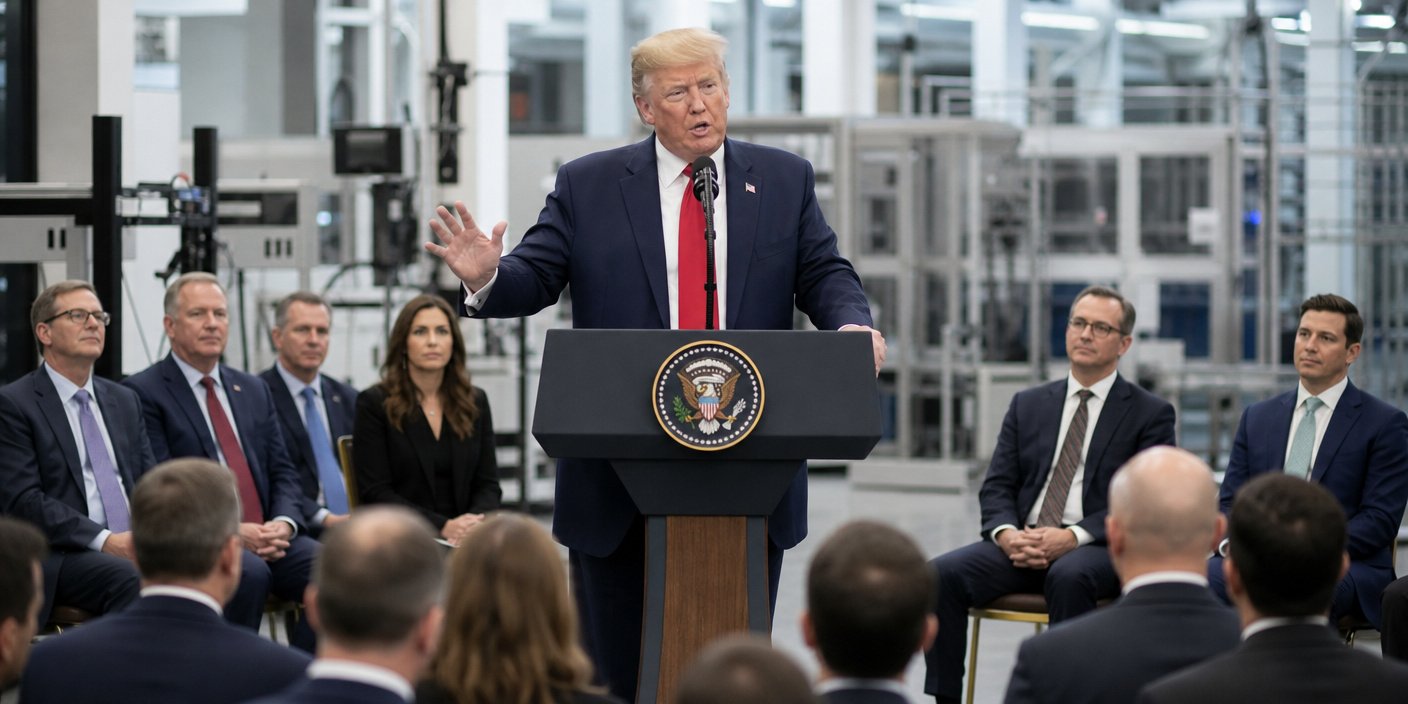
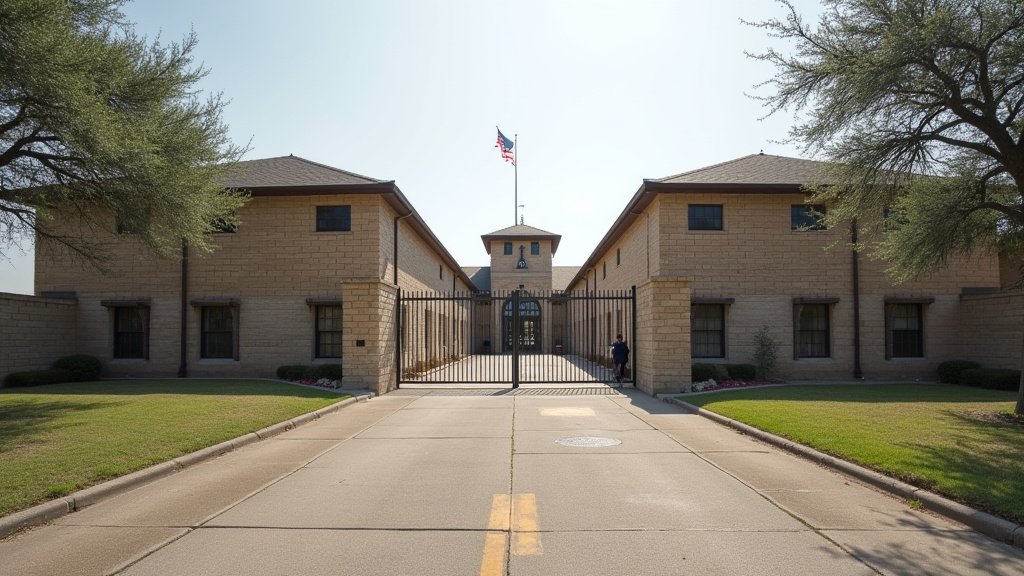
CHICAGO, IL – October 8, 2025 – Two hundred members of the Texas National Guard arrived in Illinois on Tuesday, October 8, 2025, part of a federal mission to protect government functions, personnel, and property. The deployment, ordered by President Donald Trump, has ignited a firestorm of controversy, facing strong opposition from local Democratic officials and triggering significant legal challenges. This influx of troops marks a new escalation in the Trump administration’s broader strategy of increasing federal law enforcement presence in major U.S. cities.



The arrival of the Texas Guardsmen follows President Trump’s directive for heightened federal action in cities like Chicago, which he has repeatedly characterized with terms like “hell hole” and “war zone.” Despite these claims, police statistics from Chicago indicate that crime rates, including homicides, have seen significant drops in recent years. The stated mission for the deployed troops is to safeguard “federal functions, personnel, and property,” with the mobilization set for an initial period of 60 days.
Mounting Opposition and Legal Battles
The deployment has been met with vehement resistance from Illinois Governor J.B. Pritzker and Chicago Mayor Brandon Johnson, both Democrats. Governor Pritzker has accused the Trump administration of using troops as “political props” and “pawns,” calling the move an “unconstitutional invasion” and an assault on the city. Mayor Johnson has similarly decried the action, stating, “We do not need or want the National Guard to police our streets.” Their objections are echoed by many who view these federal actions as overreach and a potential violation of laws like the Posse Comitatus Act, which restricts the military’s role in domestic law enforcement.
In response to the federal mandate, the state of Illinois and the city of Chicago jointly filed a lawsuit on Monday, October 6, 2025, seeking to block the deployment. The lawsuit argues that the Trump administration has exceeded its authority and that no legal requirements for federalization exist in Illinois. A federal judge declined to issue an immediate injunction to halt the deployment, but ordered the administration to respond to the suit, setting a hearing for Thursday, October 9, 2025. This contrasts with a similar situation in Oregon, where a federal judge did temporarily block a National Guard deployment.
Broader Context of Federal Deployments
The deployment to Illinois is part of a larger pattern observed in 2025, where President Trump has ordered federal forces and National Guard troops into various U.S. cities, often those led by Democratic officials. These actions have been justified by the administration as responses to protests, crime, and immigration enforcement needs, yet critics contend they are politically motivated and potentially illegal. President Trump has even threatened to invoke the Insurrection Act, a 19th-century law, to bypass court challenges and deploy troops where he deems necessary.
The federalization of National Guard troops over the objections of state governors raises significant questions about the balance of power between federal and state authorities. Legal experts and former military officials have expressed concern about the unprecedented nature of these deployments and the potential for misuse of military assets in domestic situations. While the Texas National Guard troops have now arrived in Illinois to support federal operations, the legal and political battles surrounding such deployments continue to shape the national news landscape.
Conclusion
As the 200 Texas National Guard troops begin their 60-day mission in Illinois, the debate over federal authority, states’ rights, and the role of the military in civilian matters intensifies. The ongoing legal challenges and vocal opposition from state and local leaders underscore the deep divisions and constitutional questions posed by President Trump’s assertive approach to federal power. The coming days will likely bring further developments as the court hearing in Illinois approaches and the broader implications of this national news unfold.