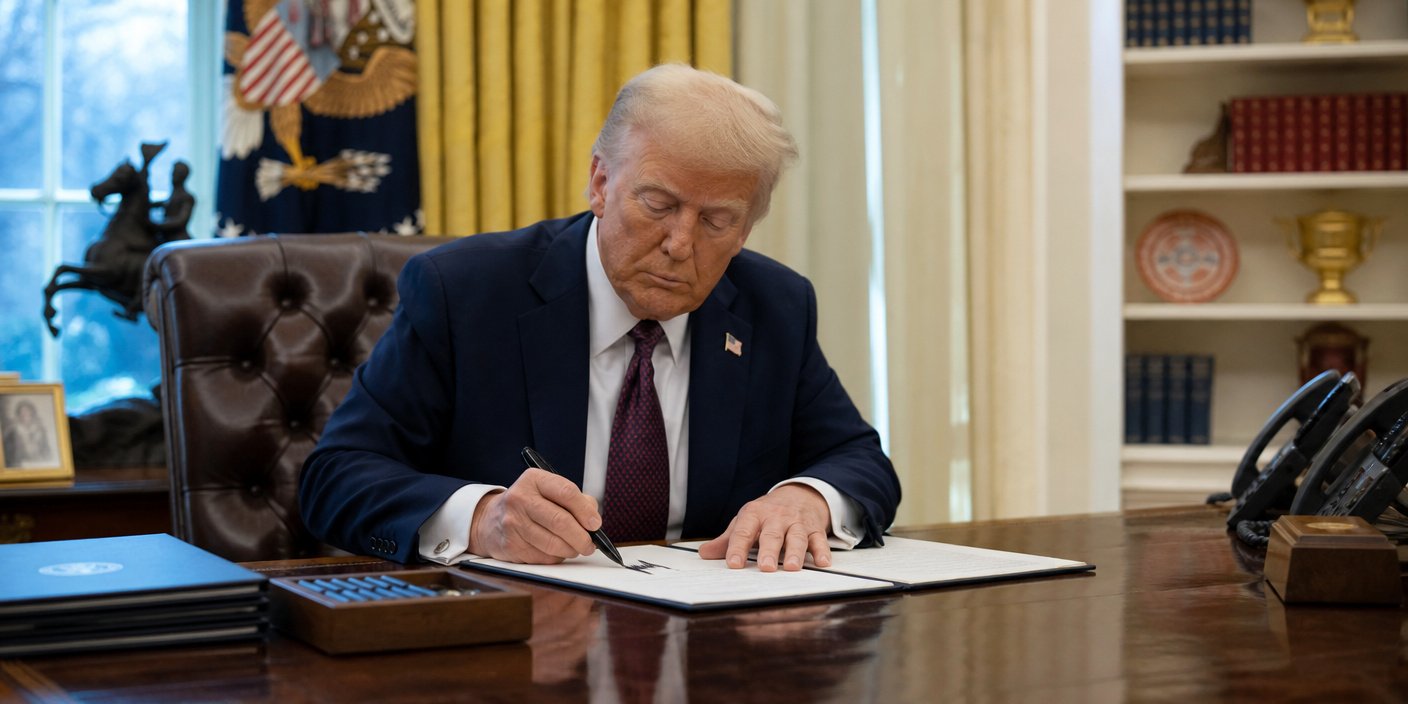
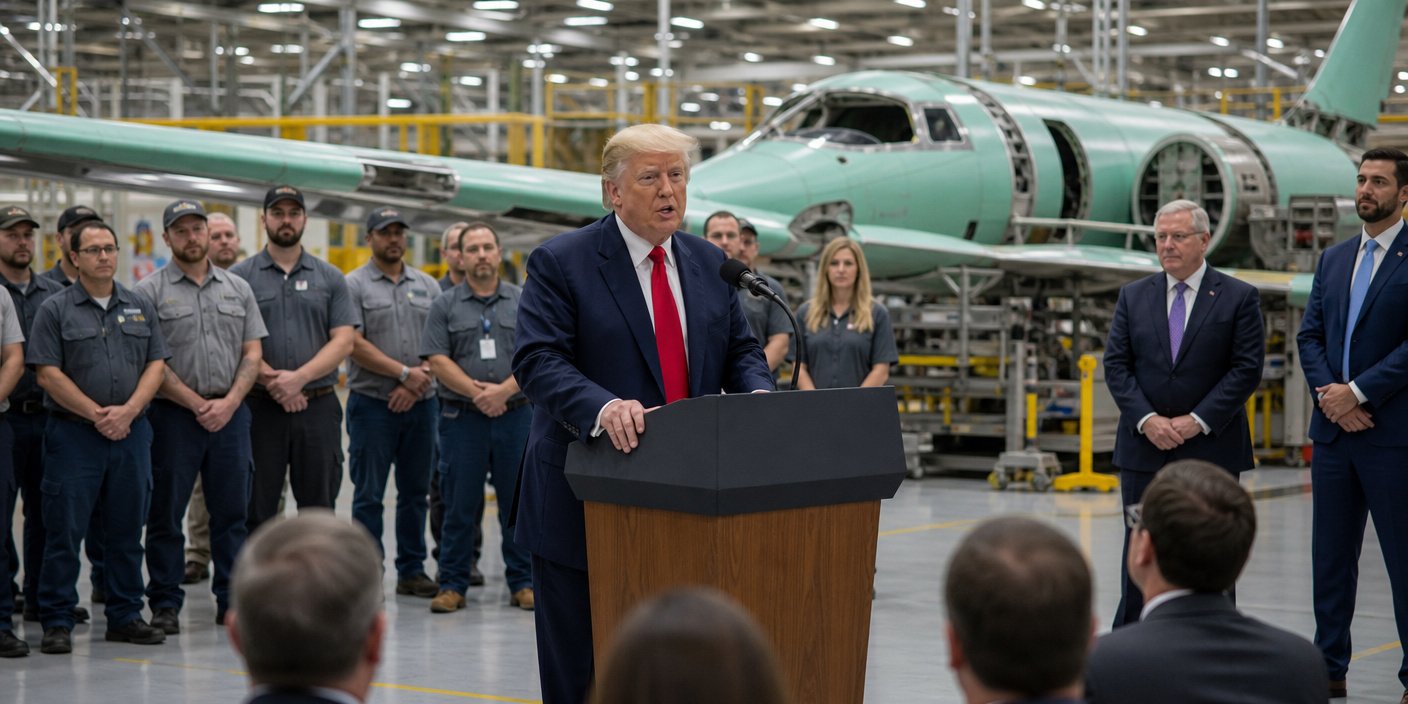
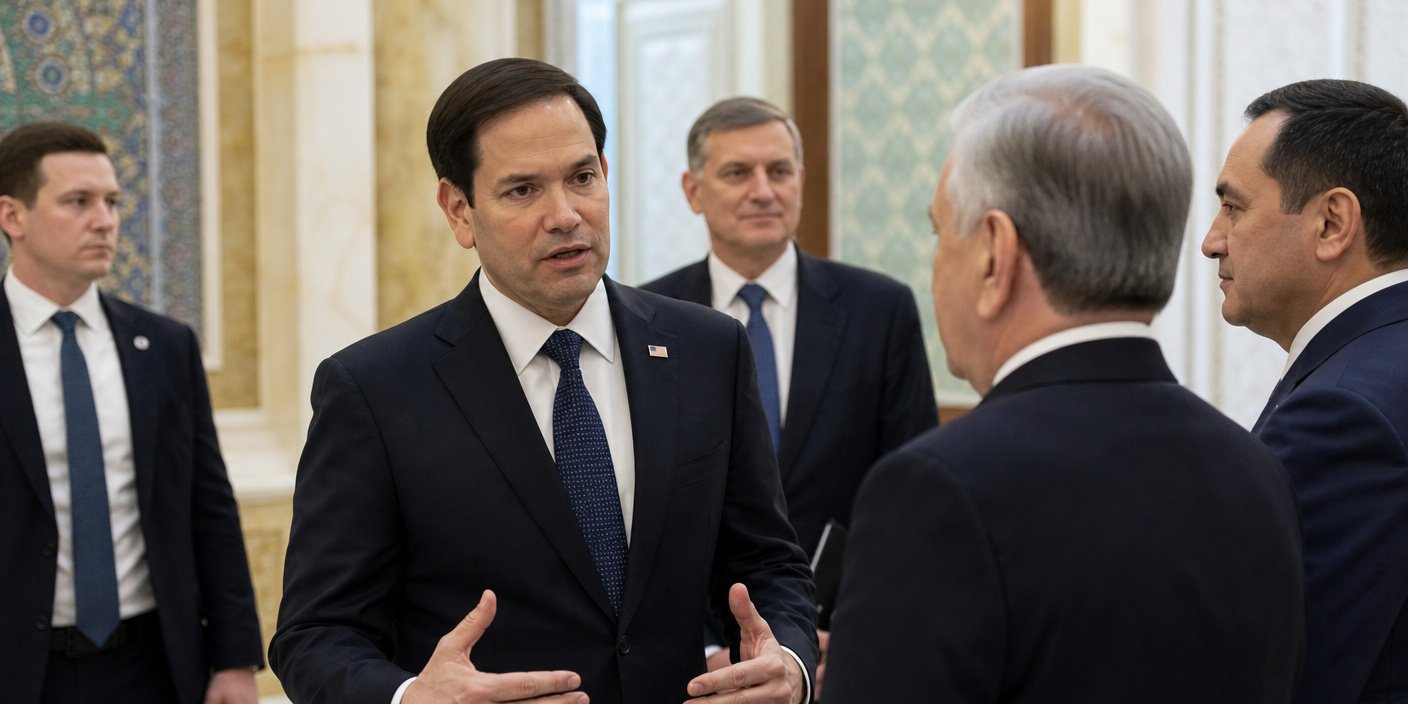
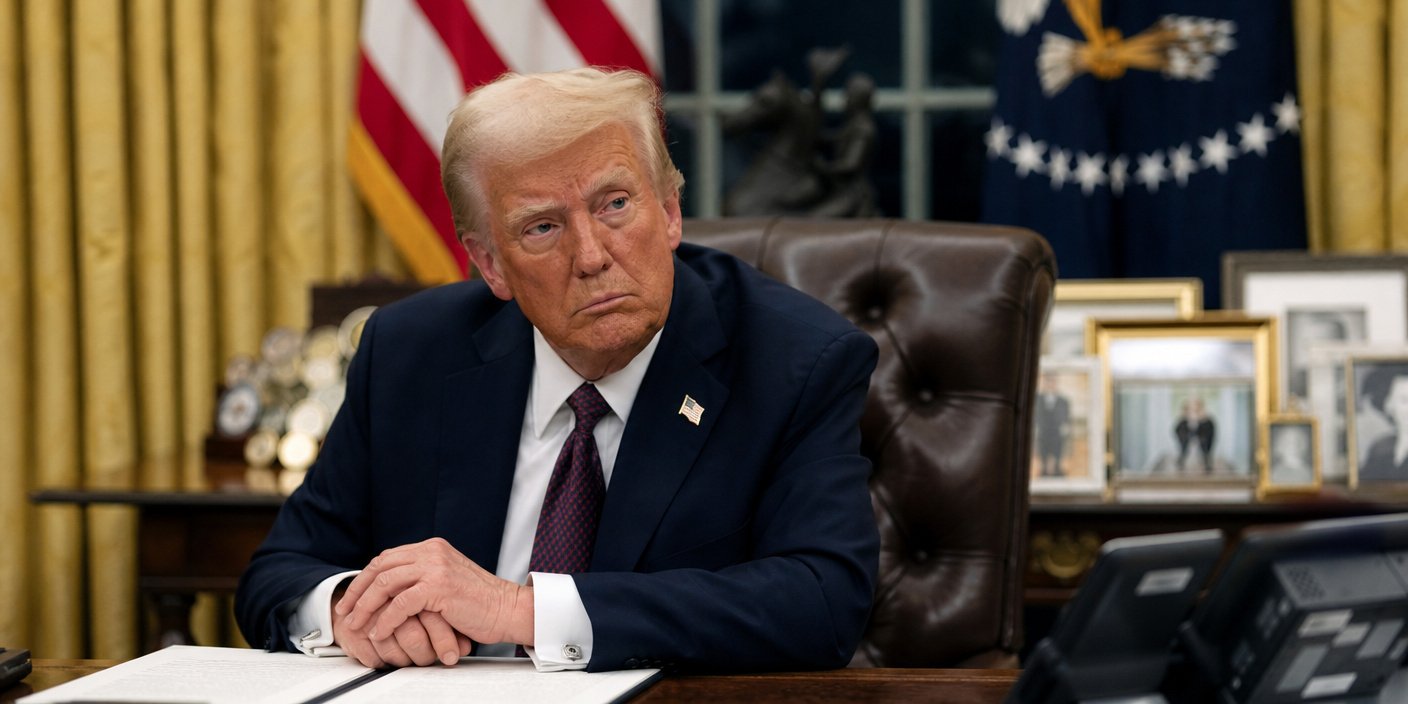
CHICAGO, IL – Approximately 200 members of the Texas National Guard arrived in Illinois on Tuesday, October 8, 2025, as part of a federal mission to protect federal functions, personnel, and property, an order that has ignited significant backlash from state and local Democratic officials. The deployment, authorized by President Donald Trump, marks another escalation in the administration’s use of National Guard troops in cities across the USA, drawing sharp criticism and legal challenges.
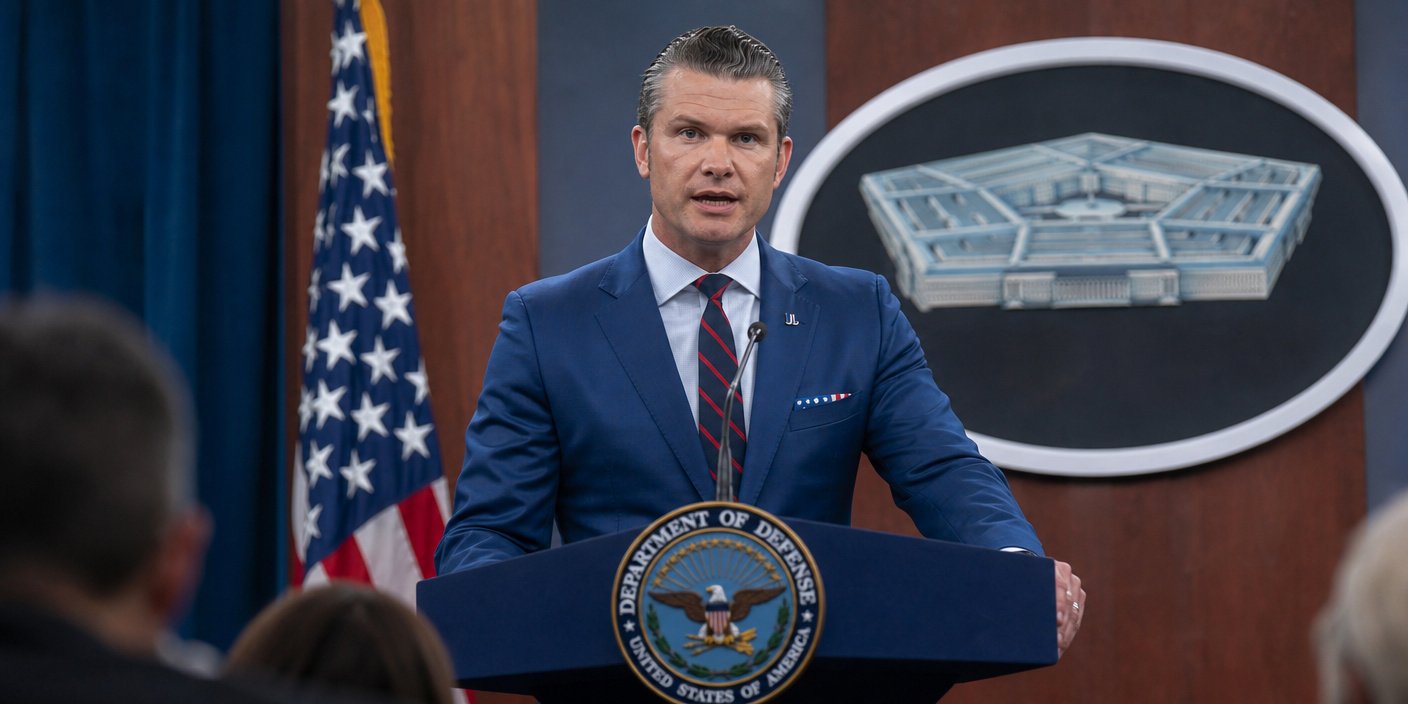
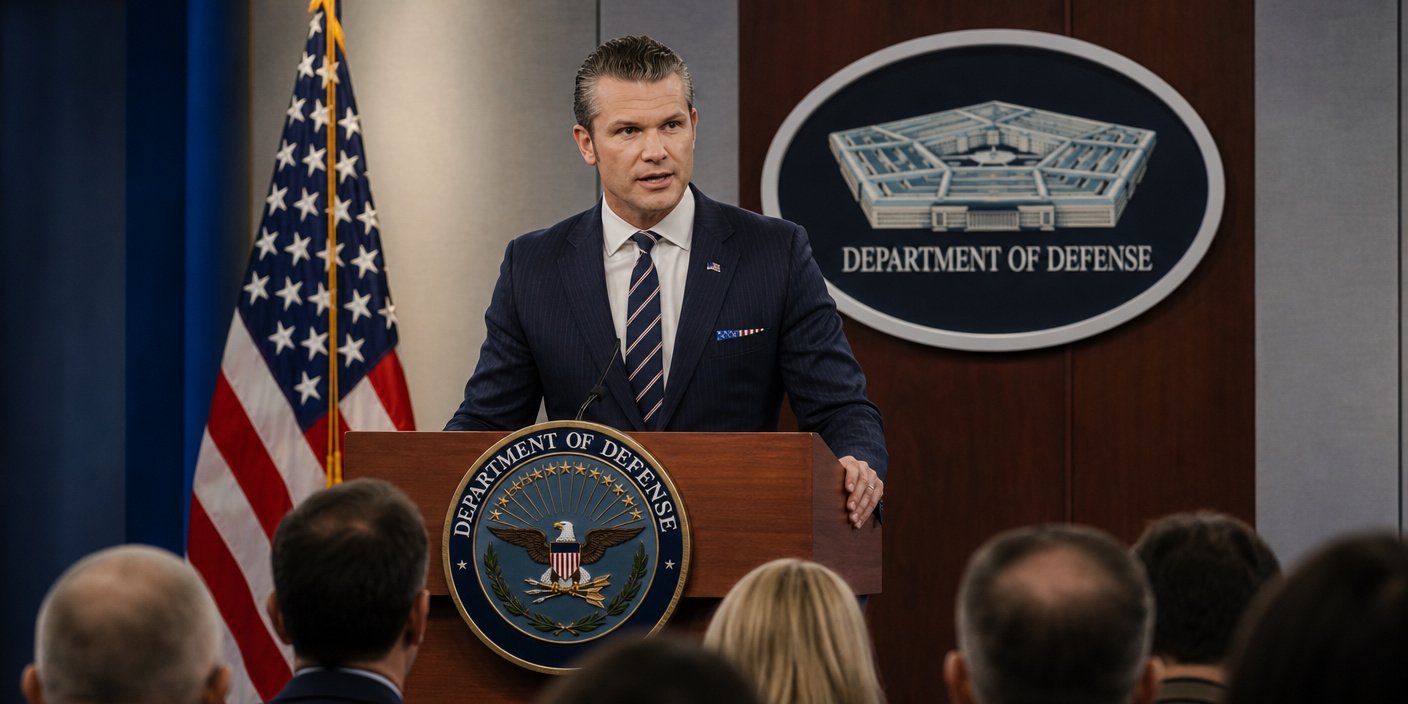
The Texas National Guard troops arrived at a U.S. Army Reserve center in Elwood, a community southwest of Chicago, and are mobilized for an initial 60-day period. The official purpose of their mission, according to Pentagon officials, is to support the “Federal Protection Mission,” safeguarding federal assets, including those related to Immigration and Customs Enforcement (ICE) and the Federal Protective Service (FPS), particularly in areas experiencing or anticipating violent demonstrations.
Fierce Opposition from Illinois Leadership
The deployment has been met with immediate and strong condemnation from Illinois Governor JB Pritzker and Chicago Mayor Brandon Johnson. Governor Pritzker characterized the move as “unlawful,” “dangerous,” and “political theater,” accusing President Trump of using service members as “political props” and “pawns.” He stated that the troops “should stay the hell out of Illinois” and that any deployment against his state government’s wishes constituted an “invasion.” Mayor Johnson echoed these sentiments, labeling the operation “illegal, unconstitutional, dangerous and wrong,” and an act of “authoritarianism” aimed at “stoking fear” and “breaking the Constitution.” In response to increased federal immigration enforcement, Johnson has also signed an executive order creating “ICE-free zones” on city-owned property, prohibiting federal immigration agents from using such locations for enforcement operations.



Texas Governor Greg Abbott, however, authorized the deployment, stating his Guard members are “on the ground and ready to go” and “putting America first by ensuring that the federal government can safely enforce federal law.” Abbott indicated that if Illinois officials could not fully enforce protection for federal employees, the Texas Guard would step in.
Legal Battles and Constitutional Questions
The deployment has spurred a legal confrontation, with Illinois and the city of Chicago filing a lawsuit to block the federalization of state National Guard troops and the mobilization of Texas National Guard forces. The lawsuit alleges that the Trump administration has exceeded its authority under Title 10 of the U.S. Code and violated “bedrock principles” separating the military from domestic law enforcement. The state’s Attorney General has accused the president of using U.S. troops “to punish his political enemies.”
A federal judge, April Perry, declined to issue an immediate temporary restraining order to block the deployment, scheduling a full hearing for Thursday, October 9, 2025. This decision means the troops could begin operations before a definitive court ruling.
This national news highlights the ongoing debate surrounding President Trump’s authority to deploy federalized National Guard troops into U.S. cities against the wishes of state and local leaders. The administration has cited rising crime and increased immigration enforcement as justifications, often targeting Democratic-led cities. Critics, however, argue that these deployments are politically motivated, serve as “political props,” and are not supported by factual evidence of escalating unrest.
Historical Context of Federal Deployments
This event is part of a pattern of federal troop movements initiated by President Trump. Similar deployments have occurred in cities such as Los Angeles, Washington D.C., Memphis, and Portland, often drawing legal challenges and protests. These actions have raised significant constitutional concerns regarding federalism, the separation of powers, and the president’s executive authority, particularly concerning the use of the National Guard under Title 10 status.
The administration has defended these moves, with Homeland Security Secretary Kristi Noem claiming cities like Chicago are “war zones,” a characterization contradicted by official crime statistics that generally show declining crime rates in many of these urban centers.
The arrival of the Texas National Guard in Illinois underscores the escalating tension between federal authority and state sovereignty in the current political climate. As legal battles continue and the troops prepare for their mission, the nation watches for the implications of such federal interventions on domestic law enforcement and civil liberties.