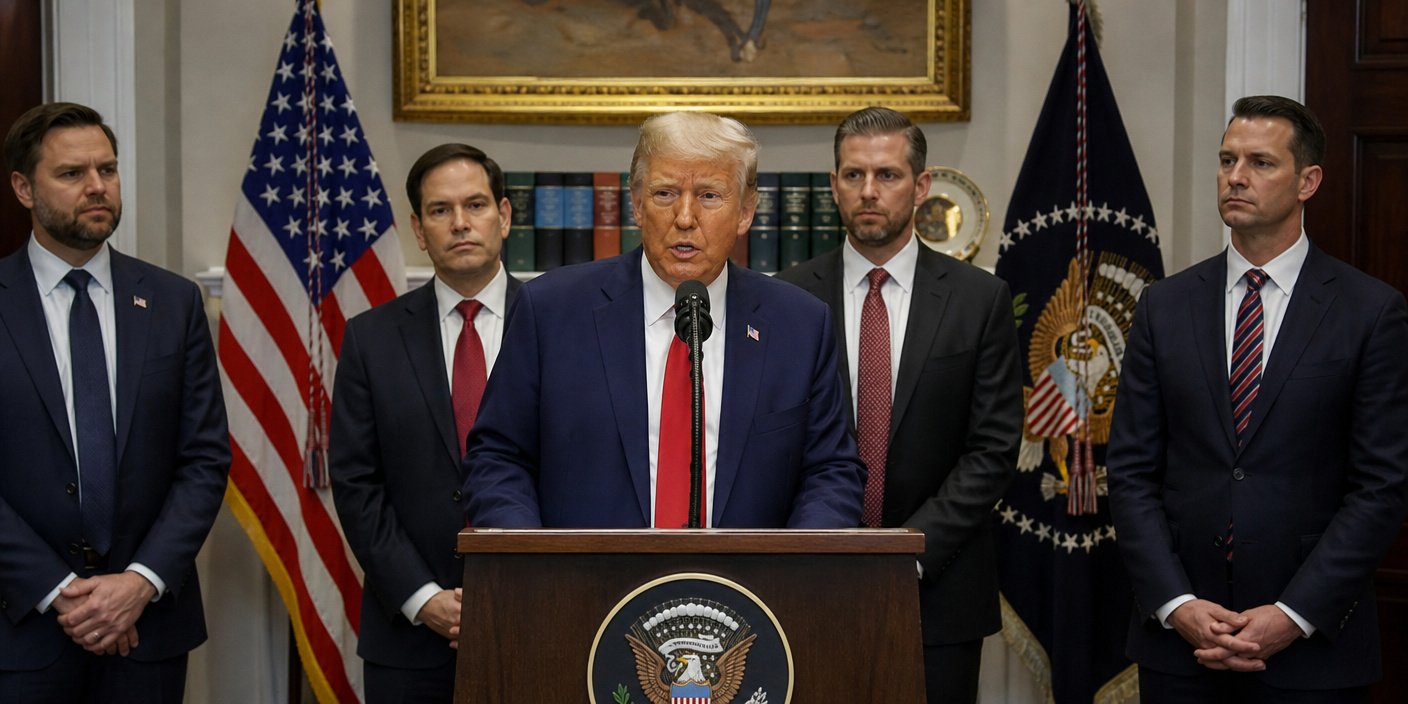
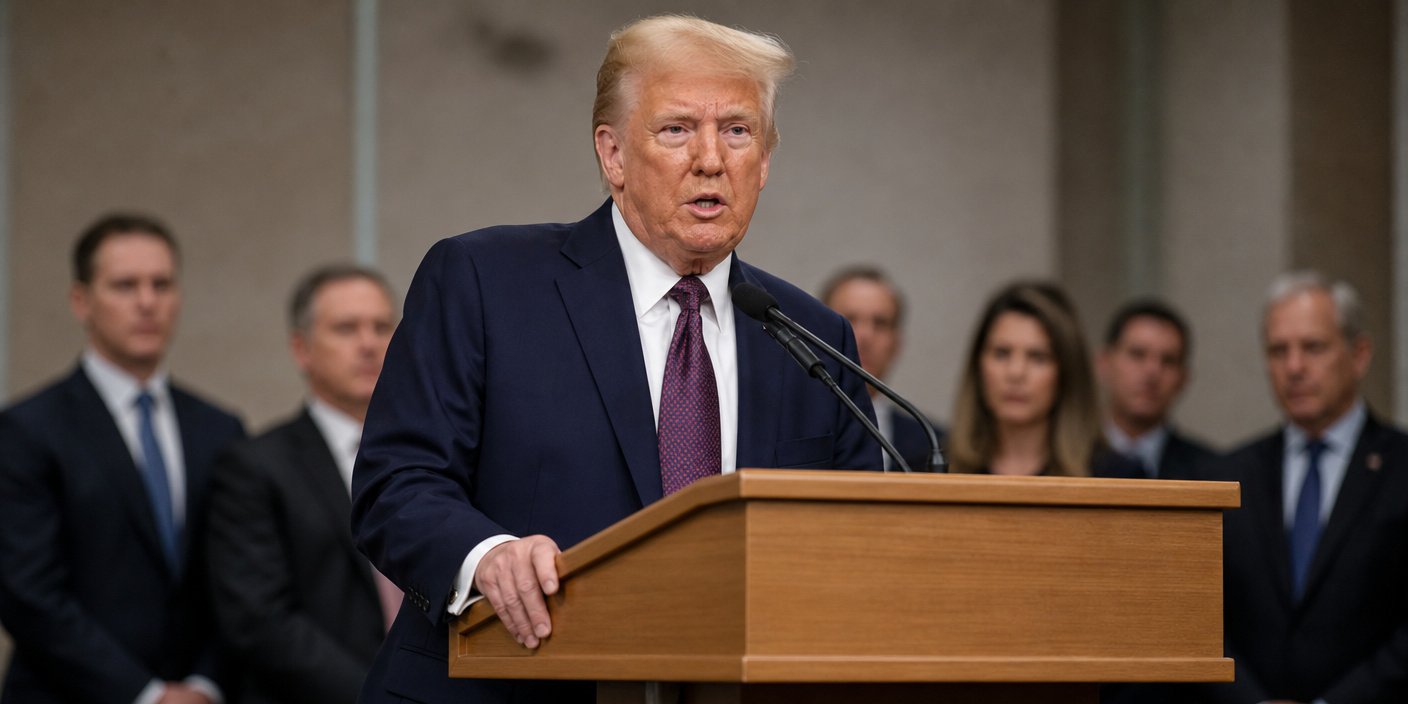
Internal documents obtained by The Washington Post reveal a pattern of Donald Trump using U.S. tariffs as a potent tool to achieve objectives far beyond traditional trade policy. The findings suggest that tariffs were weaponized to benefit corporate allies, exert pressure on foreign governments, and advance broader political agendas.
Tariffs as a Geopolitical Lever


The documents outline a proactive strategy where import taxes and the threat of them were employed to influence international relations and secure specific national interests. One notable instance involved India, which was reportedly threatened with a steep 50 percent import tax. The condition for avoiding this penalty was for India to cease its oil purchases from Russia. This tactic highlights a willingness to use economic power to isolate adversaries and realign geopolitical partnerships.
Furthermore, the Trump administration allegedly pressured India, Taiwan, and Indonesia to bolster their defense capabilities. This pressure campaign included urging these nations to increase their defense spending and, critically, to purchase more American military equipment. This dual objective aimed to strengthen U.S. alliances while simultaneously boosting the American defense industry.
Global Reach of Tariff Strategies
Similar strategies were reportedly implemented on a global scale. The United States sought to gain access for its Navy at a Cambodian port, employing tariff threats as leverage. In other instances, nations in Africa and South America were pressured to limit their ties with China, particularly concerning Chinese telecom infrastructure and military collaborations. These actions underscore a broad effort to counter Chinese influence through economic coercion.
Israel and Australia were also reportedly targets of this policy, with both nations facing pressure to remove Chinese control from key ports. The implication is that U.S. economic power was used to dictate terms regarding critical infrastructure and international partnerships, even for close allies.
Protecting Allies and Advancing Agendas
The core of these revelations points to tariffs being used not just as a trade tool, but as a multifaceted instrument of foreign policy. By protecting specific American corporate interests and advancing the administration’s geopolitical goals, the use of tariffs extended into areas such as national security and international influence. The reporting suggests that these tactics were part of a broader trend of leveraging economic tools to shape global affairs according to U.S. interests, often with significant implications for the countries subjected to this pressure.
These stories offer a glimpse into a period where trade policy was deeply intertwined with diplomatic and strategic maneuvering, as the U.S. sought to assert its dominance and reshape international economic and political landscapes. The trending narratives around these revelations suggest a significant re-evaluation of how American trade policy was conducted under the Trump administration, with a focus on its broader, often undisclosed, objectives.