Skip to content
Trending
June 5, 2025Veterans and Military Families Plan Nationwide Protests on June 6 Against VA Job Cuts and Privatization Fears February 6, 2026US and Argentina Forge Landmark Trade Pact: Tariffs Slashed, Alliance Deepened October 22, 2025American Oversight Investigates Past Trump Administration Plans for Military, ICE at 2026 Polling Places Amid Election Integrity Worries May 9, 2025Trump’s Global Approach Under Scrutiny: Experts Analyze Iran, Greenland, and World Leadership October 29, 2025North Korea Launches Cruise Missiles as US President Trump Arrives in South Korea May 1, 2026Apple Smashes Q2: Record Revenue & iPhone 17 Drive Growth February 6, 2026US and Argentina Forge New Trade Alliance: Tariffs Slashed, Economic Ties Strengthened February 6, 2025US Health Landscape on Feb 6, 2025: Infectious Threats, Policy Fights, and Mounting Challenges July 8, 2025Samsung Predicts Steep 56% Profit Slump in Q2 Amid AI Chip Weakness and US Export Curbs October 11, 2025Mariners Triumph in Historic 15-Inning Thriller, Advance to First ALCS in 24 Years
  • Home
  • Top Stories
  • National News
  • Health
  • Business
  • Tech & Innovation
  • Entertainment
  • Politics
  • Culture & Society
  • Crime & Justice
  • Editorial
  • Home
  • Top Stories
  • National News
  • Health
  • Business
  • Tech & Innovation
  • Entertainment
  • Politics
  • Culture & Society
  • Crime & Justice
  • Editorial
  • Blog
  • Forums
  • Shop
  • Contact
  National News  Trump Orders Plan to Dismantle Federal Education Department via Executive Action
National News

Trump Orders Plan to Dismantle Federal Education Department via Executive Action

paige Nguyenpaige Nguyen—March 20, 20254
FacebookX TwitterPinterestLinkedInTumblrRedditVKWhatsAppEmail

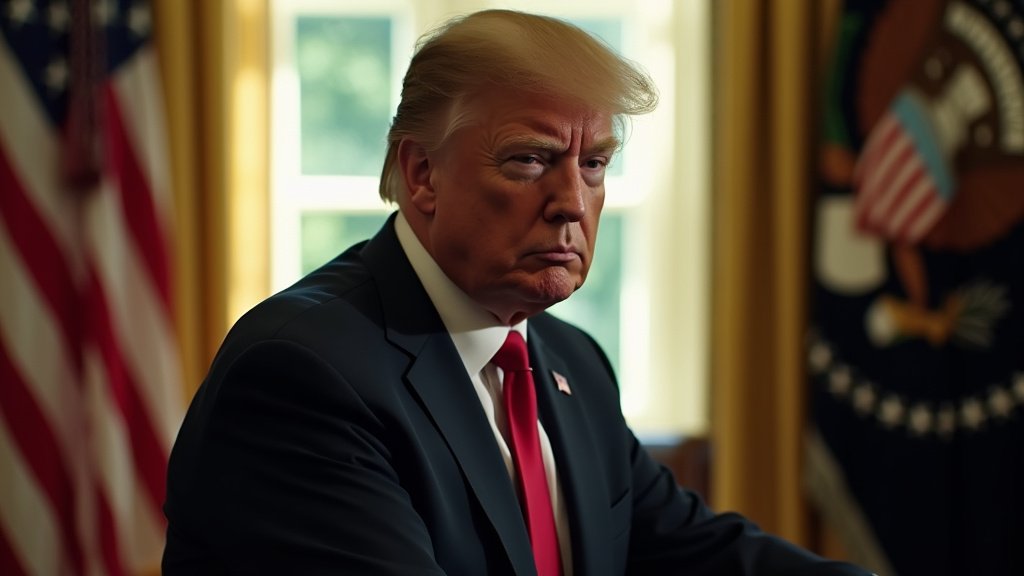
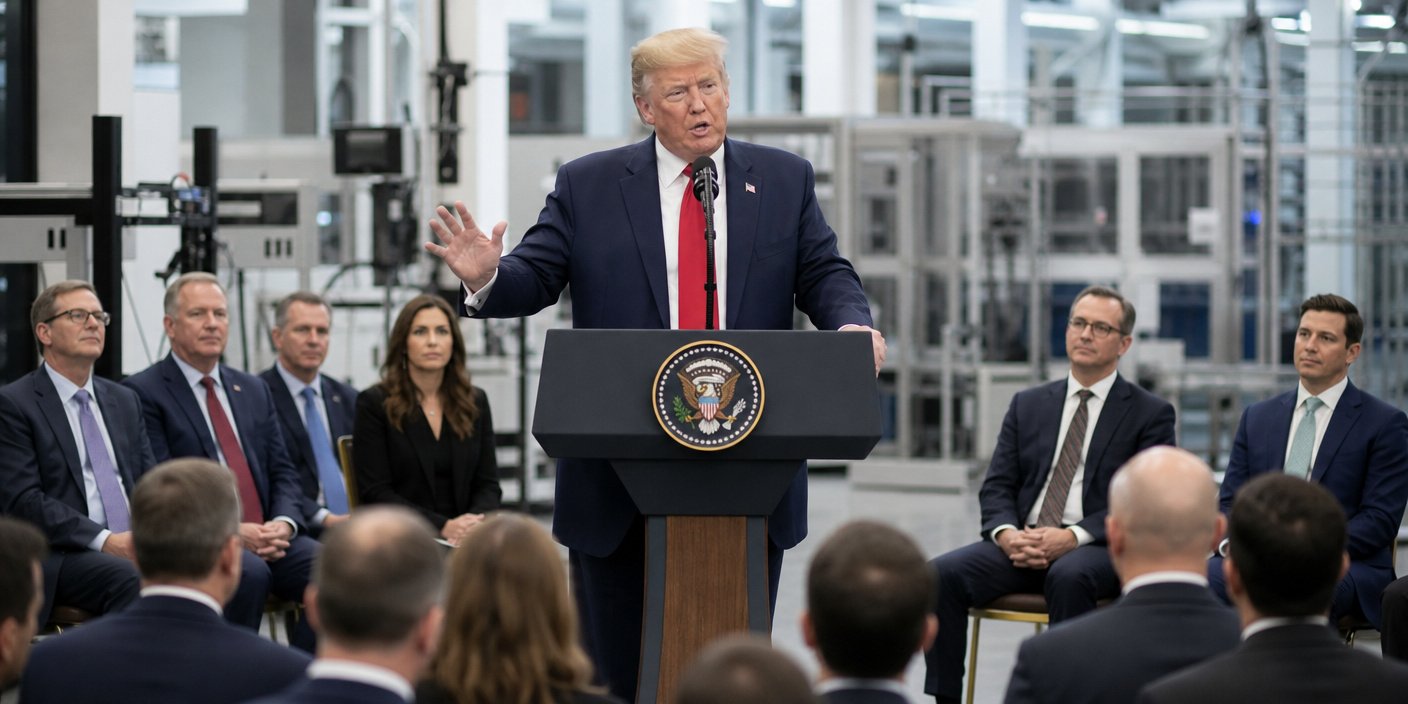
Washington, D.C. — President Donald Trump on March 20, 2025, signed an executive order initiating a formal plan to dismantle the federal Department of Education, a move signaling a significant shift in the administration’s approach to national education policy.

The executive order, signed at the White House, calls specifically for the development of a detailed proposal aimed at eliminating the cabinet-level agency. This action aligns with long-standing calls from some conservatives to reduce the federal government’s footprint in education, traditionally viewed as a primary responsibility of state and local authorities.

The Executive Order and Its Scope

The order signed by President Trump on March 20, 2025, serves as a directive to relevant executive branch agencies to begin the process of planning for the dissolution of the Department of Education. It is not an immediate closure but rather the first step in a complex administrative and legislative undertaking. The order mandates the formulation of a roadmap for how the department’s functions, assets, and personnel would be handled during a potential transition.

The Department of Education, established in 1979 under President Jimmy Carter, oversees federal programs and policies related to education, including student financial aid, data collection on U.S. schools, and enforcement of federal civil rights laws in educational institutions. Its budget supports programs ranging from K-12 initiatives to higher education access.

Path to Dismantling: The Congressional Hurdle

More stories

FBI Arrests Milwaukee Judge on Charges of Aiding Immigrant’s Courtroom ICE Evasion

April 26, 2025

Pa. Confirms Nation’s First Two Measles Deaths of 2024

August 26, 2026

Americans Yearn for a Third Party, But U.S. Political System Holds Firm

October 20, 2025

Trump Signals ‘Phase Two’ Russia Sanctions Amid Escalating Ukraine Conflict

September 8, 2025

While the executive order sets the administration’s intention and initiates planning, a complete closure and transfer or elimination of the Department of Education’s functions would require an act of Congress. The U.S. Constitution grants Congress significant authority over the structure and funding of federal agencies. Any proposal resulting from the executive order would need to be presented to Congress, where it would face rigorous debate and require legislative approval to be enacted into law.

Political observers anticipate a contentious battle in Congress over such a proposal. Democrats and many education advocacy groups are expected to strongly oppose the dismantling of the department, arguing it plays a crucial role in promoting equity, access, and quality standards across the nation. Conversely, proponents of the move, likely including many Republicans, may argue it would streamline bureaucracy and empower states and local communities to tailor education policies to their specific needs.

Functions Expected to Be Retained

Crucially, the White House statement accompanying the announcement indicated that despite the call for dismantling the department, some critical functions are expected to be retained. The statement did not immediately specify which functions would be preserved, but it suggests the administration recognizes the necessity of continuing certain federal roles, potentially related to student aid administration, civil rights enforcement, or data collection that is deemed indispensable.

This nuance suggests that the administration’s plan might involve transferring essential services to other existing agencies or creating a smaller, differently structured entity, rather than a complete abandonment of all federal involvement in education. The specifics of which functions are deemed “critical” and how they would be managed remain subject to the planning process initiated by the executive order.

Historical Context and Rationale

The idea of eliminating the Department of Education is not new. It has been a platform for some political candidates and groups who advocate for returning educational authority entirely to states and localities. Arguments often center on reducing federal mandates, cutting administrative costs, and promoting local control and innovation.

President Trump’s action on March 20, 2025, revives this debate on a national scale. The administration’s rationale is likely rooted in the belief that the federal bureaucracy in education has become overly large and inefficient, hindering rather than helping the nation’s schools and students.

Reactions and Future Implications

Immediate reactions from various stakeholders are anticipated. Educator unions, civil rights organizations, and professional education associations are likely to voice concerns about the potential impact on federal funding for disadvantaged students, special education, and research. State education officials may face uncertainty regarding the future of federal partnerships and funding streams.

Given the requirement for congressional approval, the process initiated by the executive order signed on March 20, 2025, is expected to be lengthy and subject to the political dynamics of Capitol Hill. The outcome remains uncertain, depending on the specific plan developed by the administration, the level of support or opposition in Congress, and the broader political landscape. The executive order marks the formal beginning of this significant policy push.
FacebookX TwitterPinterestLinkedInTumblrRedditVKWhatsAppEmail

paige Nguyen

Gaza Toll Surpasses 700 in Three Days as Israeli Operations Intensify Post-Ceasefire Withdrawal
Six Charged in Alleged $80 Million Government Check Fraud Scheme Targeting COVID-19 Relief
Related posts
  • Related posts
  • More from author
National News

Global Stocks Rally as Markets Brace for Fed Rate Decision

September 16, 20260
National News

Trump Doubles Down: The Strategic Push to Win the AI Race

September 14, 20260
National News

Trump’s $5,000 Payout Pledge: Midterm Strategy Decoded

September 10, 20260
Load more
Read also
Politics

Kirk Family Blames Utah Security Protocols in Fatal Breach

September 16, 20260
Editorial

DOJ Unmasks Russian Spy Network Plotting Violent Attacks

September 16, 20260
National News

Global Stocks Rally as Markets Brace for Fed Rate Decision

September 16, 20260
Top Stories

Red Sea Tensions: Saudi Oil Pipeline Hit, Prices Spike to $109

September 15, 20260
Tech & Innovation

Innovation 2026: The R&D Arms Race Reshaping Global Industry

September 15, 20260
Politics

Democrats Mobilize Thousands of Poll Watchers for 2026

September 14, 20260
Load more

Recent Posts

  • Kirk Family Blames Utah Security Protocols in Fatal Breach
  • DOJ Unmasks Russian Spy Network Plotting Violent Attacks
  • Global Stocks Rally as Markets Brace for Fed Rate Decision
  • Red Sea Tensions: Saudi Oil Pipeline Hit, Prices Spike to $109
  • Innovation 2026: The R&D Arms Race Reshaping Global Industry

Recent Comments

No comments to show.
Social networks
FacebookLikes
X TwitterFollowers
PinterestFollowers
InstagramFollowers
YoutubeSubscribers
VimeoSubscribers
Popular categories
  • Top Stories624
  • National News340
  • Editorial311
  • Politics294
  • Business285
  • Crime & Justice263
  • Entertainment261
  • Health219
  • Tech & Innovation210
  • Culture & Society206
  • Uncategorized2

Kirk Family Blames Utah Security Protocols in Fatal Breach

September 16, 2026

DOJ Unmasks Russian Spy Network Plotting Violent Attacks

September 16, 2026

Global Stocks Rally as Markets Brace for Fed Rate Decision

September 16, 2026

Red Sea Tensions: Saudi Oil Pipeline Hit, Prices Spike to $109

September 15, 2026

Innovation 2026: The R&D Arms Race Reshaping Global Industry

September 15, 2026

Awards Season Culminates: Previewing the 97th Academy Awards and Weekend Entertainment Options

4534 Comments

S&P 500 Nears Record as Nasdaq Hits Three-Week High; Major Indexes Post Strong Weekly Gains on February 14, 2025

779 Comments

Google Introduces Premium AI Ultra Subscription Globally: Advanced Capabilities and Pricing Details Emerge

771 Comments

Trump Rallies GOP on Capitol Hill Amidst Doubt for Sweeping Domestic Policy Bill

582 Comments

Future of Telecom: How AI and 5G Convergence is Driving Innovation

542 Comments
    © Copyright 2025, All Rights Reserved
    • About
    • Privacy
    • Contact