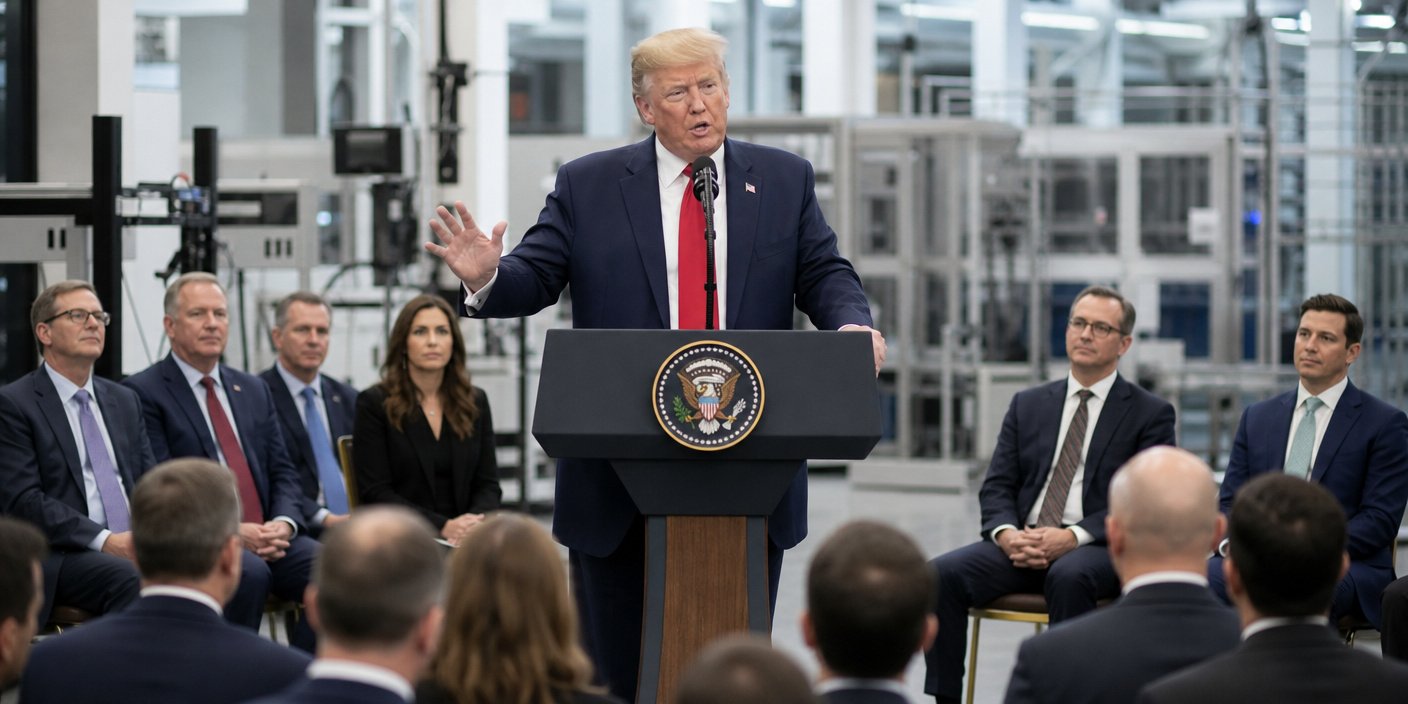
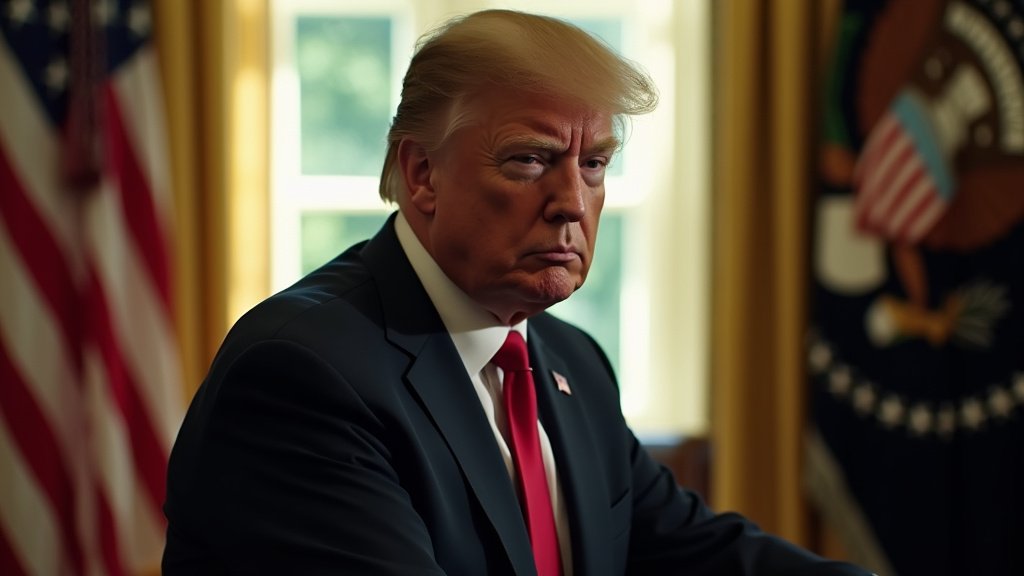
Washington, D.C. — President Donald Trump on March 20, 2025, signed an executive order initiating a formal plan to dismantle the federal Department of Education, a move signaling a significant shift in the administration’s approach to national education policy.
The executive order, signed at the White House, calls specifically for the development of a detailed proposal aimed at eliminating the cabinet-level agency. This action aligns with long-standing calls from some conservatives to reduce the federal government’s footprint in education, traditionally viewed as a primary responsibility of state and local authorities.
The Executive Order and Its Scope
The order signed by President Trump on March 20, 2025, serves as a directive to relevant executive branch agencies to begin the process of planning for the dissolution of the Department of Education. It is not an immediate closure but rather the first step in a complex administrative and legislative undertaking. The order mandates the formulation of a roadmap for how the department’s functions, assets, and personnel would be handled during a potential transition.
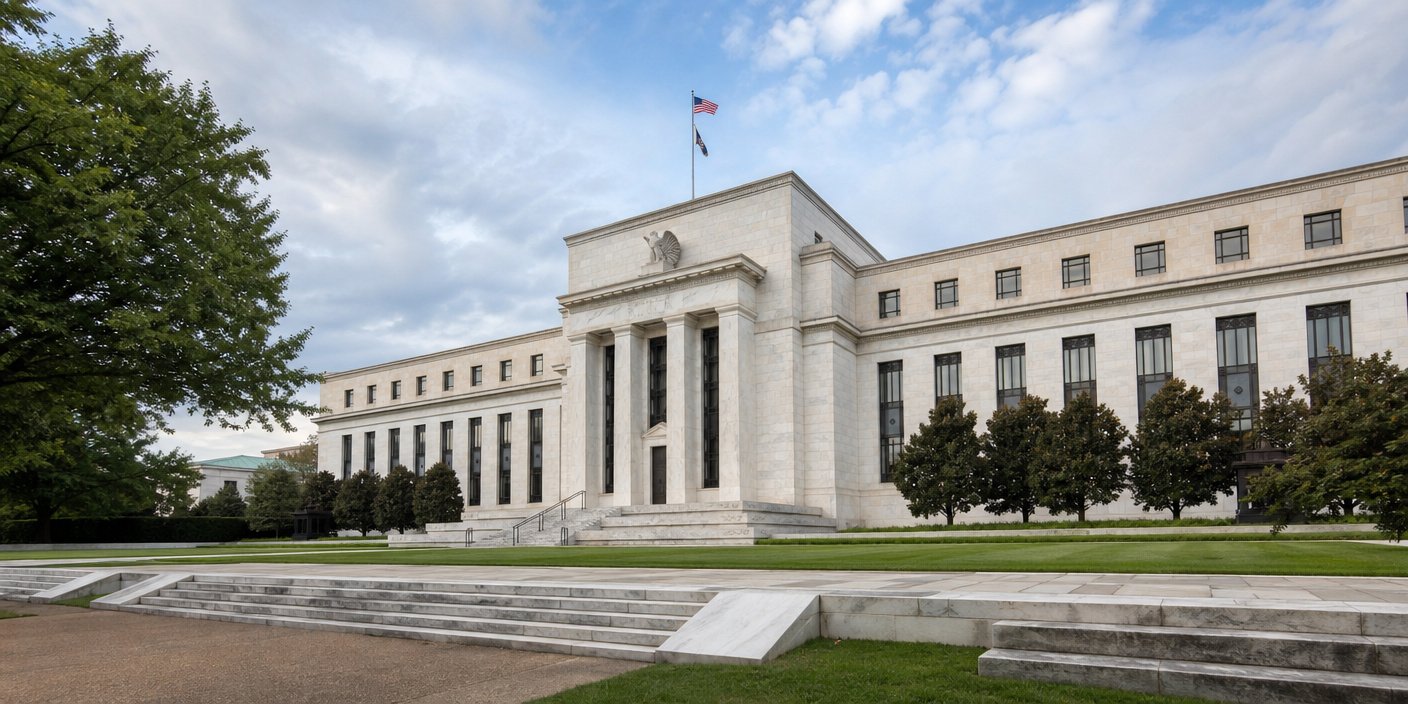
The Department of Education, established in 1979 under President Jimmy Carter, oversees federal programs and policies related to education, including student financial aid, data collection on U.S. schools, and enforcement of federal civil rights laws in educational institutions. Its budget supports programs ranging from K-12 initiatives to higher education access.
Path to Dismantling: The Congressional Hurdle



While the executive order sets the administration’s intention and initiates planning, a complete closure and transfer or elimination of the Department of Education’s functions would require an act of Congress. The U.S. Constitution grants Congress significant authority over the structure and funding of federal agencies. Any proposal resulting from the executive order would need to be presented to Congress, where it would face rigorous debate and require legislative approval to be enacted into law.
Political observers anticipate a contentious battle in Congress over such a proposal. Democrats and many education advocacy groups are expected to strongly oppose the dismantling of the department, arguing it plays a crucial role in promoting equity, access, and quality standards across the nation. Conversely, proponents of the move, likely including many Republicans, may argue it would streamline bureaucracy and empower states and local communities to tailor education policies to their specific needs.
Functions Expected to Be Retained
Crucially, the White House statement accompanying the announcement indicated that despite the call for dismantling the department, some critical functions are expected to be retained. The statement did not immediately specify which functions would be preserved, but it suggests the administration recognizes the necessity of continuing certain federal roles, potentially related to student aid administration, civil rights enforcement, or data collection that is deemed indispensable.
This nuance suggests that the administration’s plan might involve transferring essential services to other existing agencies or creating a smaller, differently structured entity, rather than a complete abandonment of all federal involvement in education. The specifics of which functions are deemed “critical” and how they would be managed remain subject to the planning process initiated by the executive order.
Historical Context and Rationale
The idea of eliminating the Department of Education is not new. It has been a platform for some political candidates and groups who advocate for returning educational authority entirely to states and localities. Arguments often center on reducing federal mandates, cutting administrative costs, and promoting local control and innovation.
President Trump’s action on March 20, 2025, revives this debate on a national scale. The administration’s rationale is likely rooted in the belief that the federal bureaucracy in education has become overly large and inefficient, hindering rather than helping the nation’s schools and students.
Reactions and Future Implications
Immediate reactions from various stakeholders are anticipated. Educator unions, civil rights organizations, and professional education associations are likely to voice concerns about the potential impact on federal funding for disadvantaged students, special education, and research. State education officials may face uncertainty regarding the future of federal partnerships and funding streams.
Given the requirement for congressional approval, the process initiated by the executive order signed on March 20, 2025, is expected to be lengthy and subject to the political dynamics of Capitol Hill. The outcome remains uncertain, depending on the specific plan developed by the administration, the level of support or opposition in Congress, and the broader political landscape. The executive order marks the formal beginning of this significant policy push.