In a significant push towards securing the personal computing ecosystem, Microsoft has recently published a detailed blog post aimed at persuading its substantial base of Windows 10 users to consider upgrading their system hardware, specifically targeting the Central Processing Unit (CPU) to ensure compatibility with Trusted Platform Module (TPM) 2.0. The technology giant identifies the lack of TPM 2.0 support on existing hardware as a significant barrier preventing many users from migrating to its latest operating system, Windows 11.
Microsoft’s communication underscores the critical role TPM 2.0 plays in establishing a robust foundation for modern digital security. The integrated security chip, often located on the motherboard or integrated into the CPU itself, is not merely a requirement for Windows 11; according to Microsoft’s explanation within the article content, it is fundamental to enabling key security features designed to protect user data and system integrity from increasingly sophisticated threats.
Understanding the Security Pillars Enabled by TPM 2.0

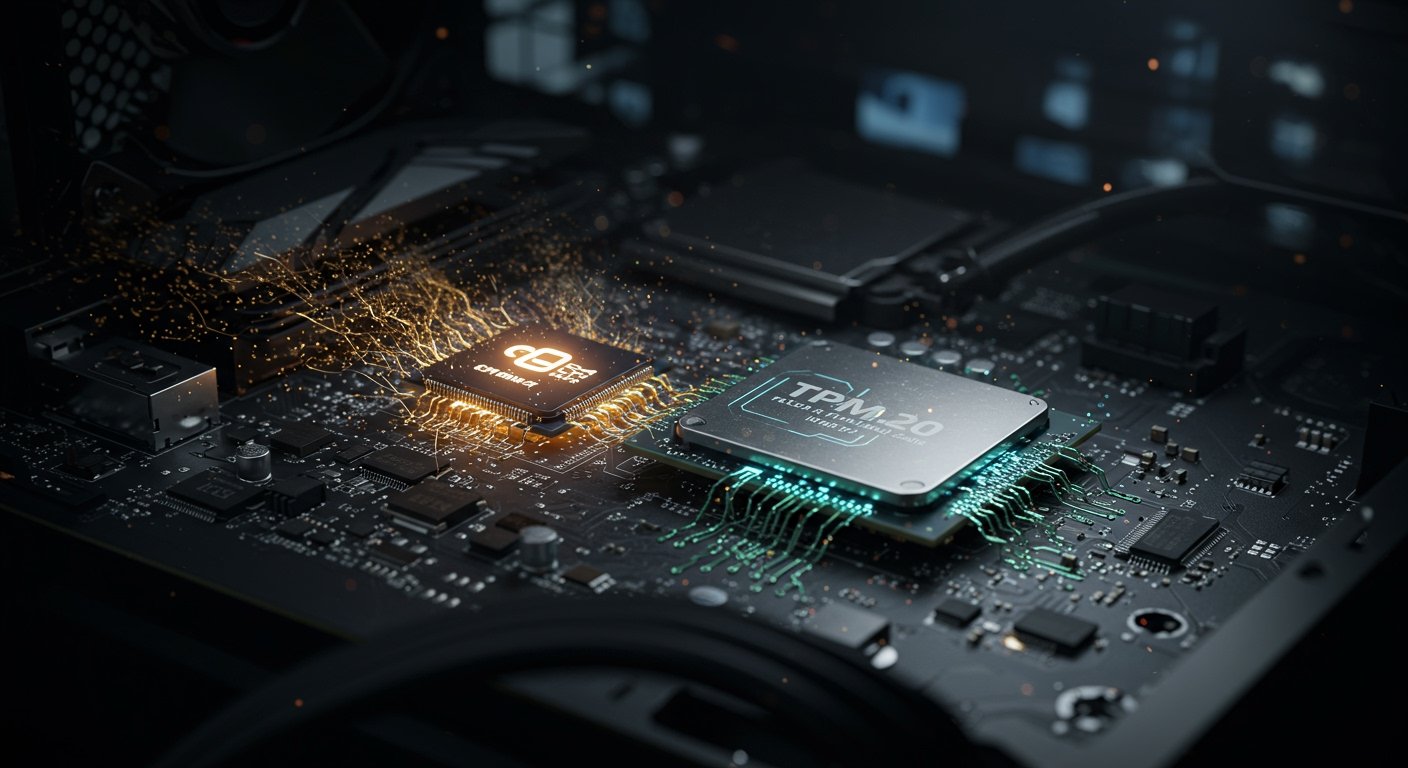

The core argument presented by Microsoft centers on TPM 2.0’s ability to ensure trusted software execution from the moment a system starts. This is primarily facilitated by a feature known as secure boot. Secure boot is a security standard developed by members of the PC industry to help ensure that a device boots using only software that is trusted by the Original Equipment Manufacturer (OEM). When secure boot is enabled, the PC checks the signature of each piece of boot software, including firmware drivers and the operating system, against a database of known, trusted signatures. If signatures are valid, the PC boots. If any part of the boot software has been tampered with or replaced by unknown or malicious code, secure boot will detect the discrepancy and prevent the system from launching, thereby helping to prevent malicious software from launching during startup.
Beyond safeguarding the boot process, TPM 2.0 also provides crucial protection against physical tampering. The module can detect hardware changes to the system. If unauthorized modifications are detected – changes that could indicate an attempt to compromise the system’s integrity or access sensitive data – the TPM can prevent the system from booting or accessing certain encrypted data. This provides a vital layer of defense against supply chain attacks or unauthorized physical access attempts.
Furthermore, Microsoft emphasizes that many of Windows 11’s advanced security features are deeply integrated with and rely on TPM capabilities. These include features like BitLocker drive encryption, Windows Hello for secure authentication, and device encryption. TPM 2.0 provides a secure, tamper-resistant location for storing cryptographic keys, measurements, and digital certificates, which are essential for these features to effectively deliver data protection and system resilience.
Windows 11: A “Worthwhile Upgrade” Beyond Security
While security is a primary driver behind Microsoft’s push for TPM 2.0 adoption, the company also highlights the broader benefits of migrating to Windows 11. The article notes that Windows 11 also offers new features intended to enhance performance and usability. Users transitioning from Windows 10 will encounter an updated interface featuring a centered Start menu, redesigned taskbar, and improved multitasking layouts like Snap Layouts and Snap Groups, all aimed at providing a more streamlined and aesthetically pleasing user experience.
Additionally, Windows 11 boasts better compatibility with modern hardware, improved integration with Microsoft Teams, and enhancements to gaming performance. Microsoft positions the move to Windows 11, facilitated by TPM 2.0-compatible hardware, as a “worthwhile upgrade” that not only elevates the security posture but also enhances the overall user experience and prepares systems for future updates and security features. The requirement for TPM 2.0 is presented not just as a gatekeeper for Windows 11, but as a necessary step towards building a more secure and capable computing environment for the future.
Addressing the Upgrade Challenge
Microsoft acknowledges that the hardware requirement, particularly the need for a CPU supporting TPM 2.0, represents a significant hurdle for a segment of the Windows 10 user base. This involves either purchasing new hardware or upgrading components in existing systems, which can incur costs. The company’s blog post serves as an educational effort to justify this requirement by clearly articulating the underlying security imperatives and the broader benefits of Windows 11. The message is clear: to fully embrace the security and feature set of Windows 11, ensuring your hardware meets the TPM 2.0 standard is essential.
By leveraging TPM 2.0, Windows 11 aims to provide a higher baseline of security, mitigating risks associated with malicious software and physical tampering. Microsoft is actively working to educate its users on why this hardware requirement is a necessary component of modern computing security, framing the transition as an investment in a safer, more performant, and more user-friendly future for personal computing.