Washington’s direct military intervention in the escalating conflict between Israel and Iran has dramatically reshaped the regional security landscape. The United States has launched targeted strikes against three significant Iranian nuclear facilities: Natanz, Isfahan, and Fordow. This military action is seen as integrating the U.S. into Israel’s ongoing confrontation with the Islamic Republic, a conflict fundamentally aimed at dismantling Iran’s nuclear capabilities.
Details of the Operation
The strikes were reportedly executed with considerable force and precision. Reports indicate the operation involved B-2 bombers and the deployment of 6 bunker buster bombs alongside 30 Tomahawk cruise missiles. [2, 3] The selection of hardened, underground facilities like Fordow suggests an intent to significantly impede, if not entirely halt, Iran’s progress towards nuclear weapons capability, aligning with the stated objective of dismantling these programs.
Iran’s Response and Retaliation Threats
Iran has vociferously condemned the U.S. attacks, characterizing them as a fundamental betrayal of diplomatic efforts aimed at de-escalating regional tensions. [4] Officials in Tehran have asserted Iran’s right to consider all options for reprisal [5], signaling a potential escalation of the conflict. This assertion follows Iran’s prior military actions, which included the launch of missile attacks against Israel. [4, 5, 6]



In a related development reflecting the gravity of the U.S. strikes, an Iranian lawmaker suggested the American military action provides Iran with the legal basis to withdraw from the nuclear Non-Proliferation Treaty (NPT). [2, 4] Such a move would have profound implications for global nuclear security and verification efforts.
International Reactions and Monitoring
The international community’s reaction has been swift, though not unified. The United Nations has issued a condemnation of the U.S. strikes, reflecting concerns about the potential for wider conflict in an already volatile region. [3]
The International Atomic Energy Agency (IAEA), the U.N.’s nuclear watchdog, responded by convening an emergency board meeting following the attacks. [3] The agency’s primary concern focused on potential radiological risks. Following their assessment, the IAEA stated there was no reported increase in radiation levels near the affected Iranian nuclear facilities [3], offering some reassurance regarding immediate environmental and safety concerns, though the strategic implications remain significant.
Heightened Alert and Geopolitical Uncertainty
The U.S. strikes have prompted heightened security measures globally and domestically. Cities within the United States, such as New York and Washington D.C., are reportedly under increased alert as authorities assess potential threats or retaliatory actions. [2, 3] In a clear indication of the pervasive tension and risk across the Middle East, commercial airlines are still rerouting to avoid Middle East airspace. [2, 3]
Speculation is also circulating regarding the internal political situation within Iran. Discussions have arisen concerning the whereabouts of Ayatollah Ali Khamenei, Iran’s Supreme Leader. Some reports circulating indicate that he has named three successors [2], a development that could signal preparations for a leadership transition amidst the current crisis, though official confirmation remains elusive.
Political Commentary and Diplomatic Context
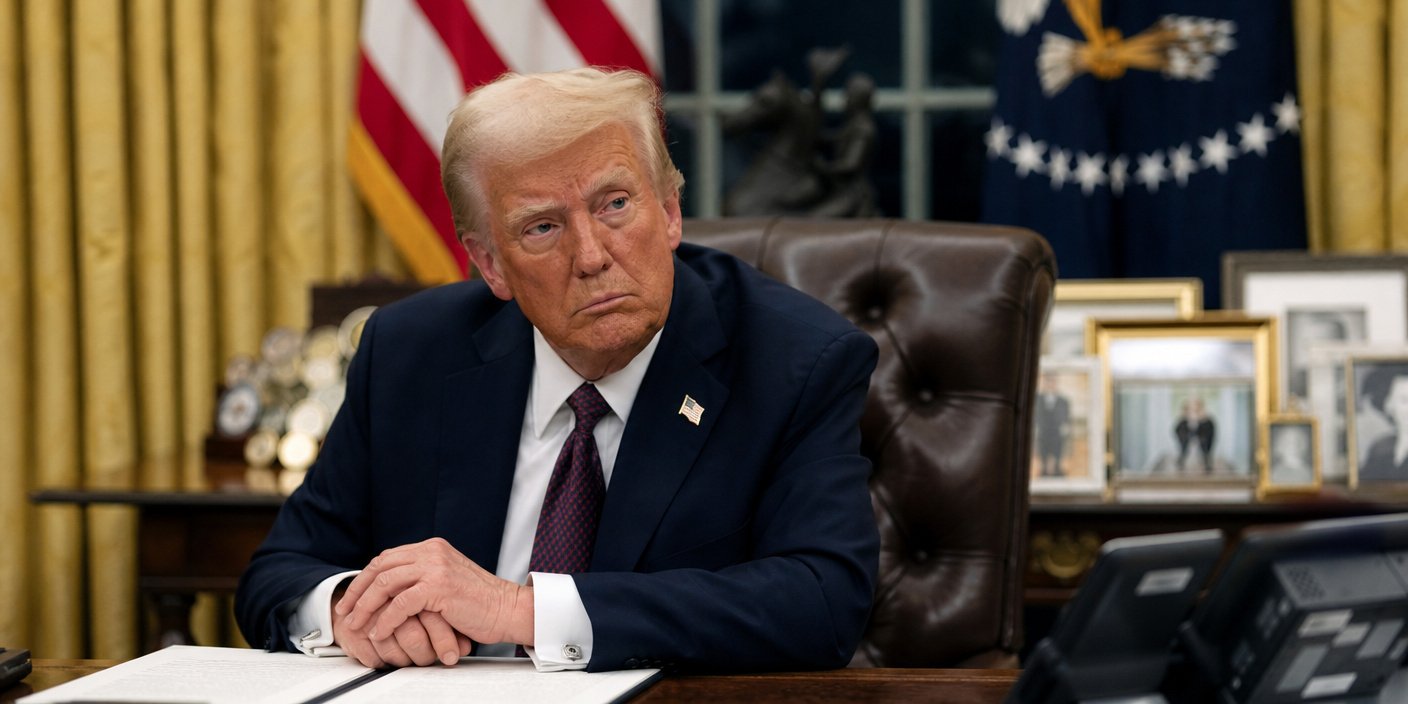
The U.S. military action has drawn sharp political commentary. Former President Trump, commenting on the strikes, declared that the targeted Iranian sites were “obliterated” and issued threats of further strikes [3], highlighting the potential for continued military engagement.
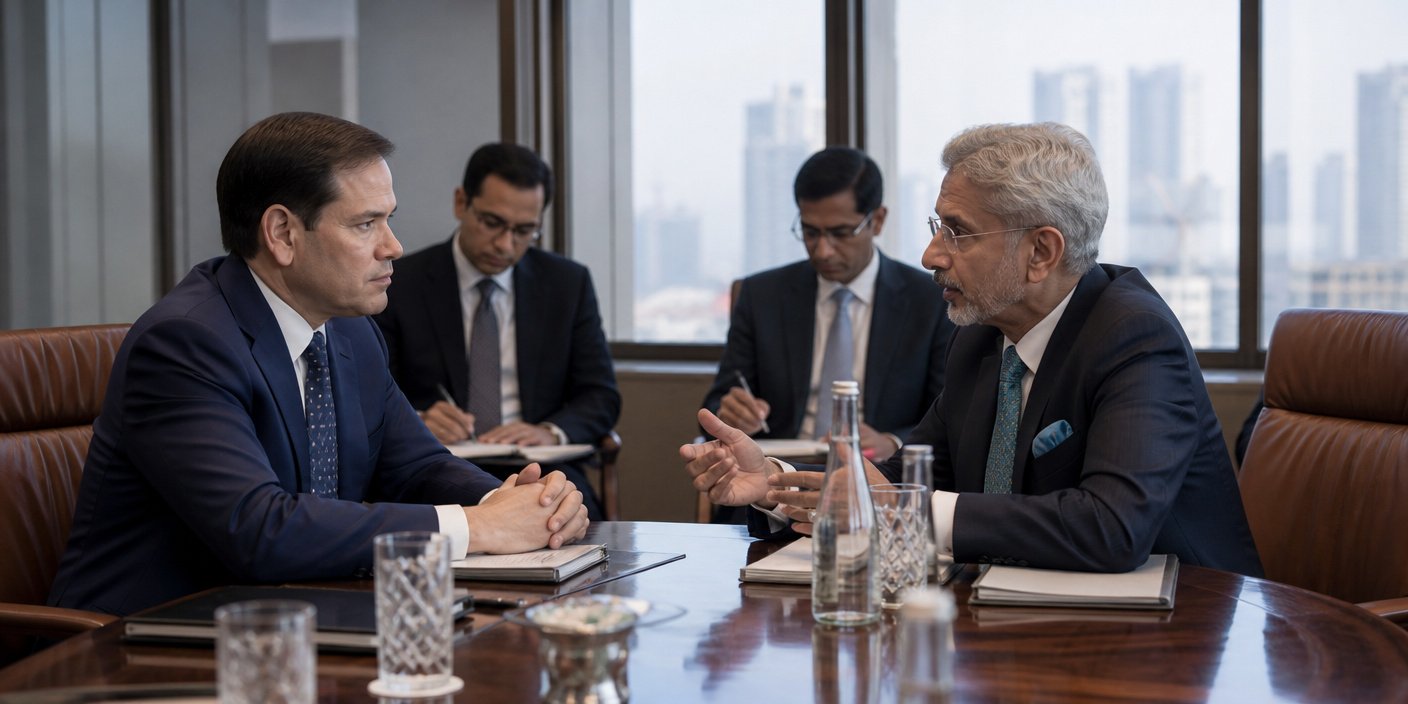
The strikes occur against a backdrop of stalled diplomatic efforts. Prior to the U.S. military action, discussions held in Geneva between European foreign ministers and Iran’s lead diplomat did not result in a significant breakthrough [7], underscoring the failure of diplomatic channels to prevent the current escalation.
The targeted U.S. strikes represent a pivotal moment in the confrontation with Iran, signaling a direct American commitment to preventing Iran from obtaining nuclear weapons capabilities, but also significantly raising the stakes in the region’s already complex and dangerous conflict.